









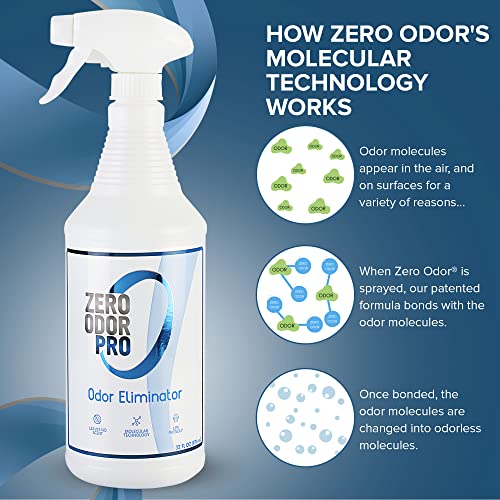




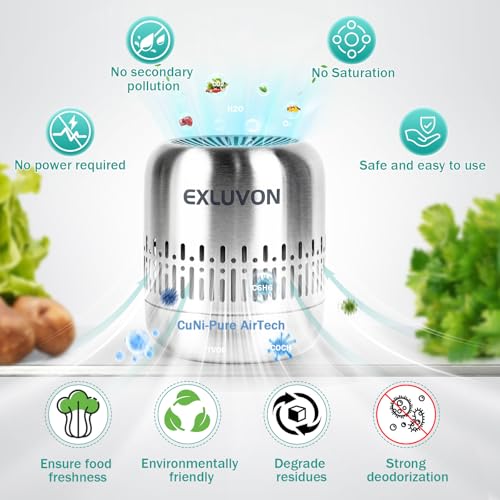
We also considered 10 others:


Our Top Choice
The order above is not editorial opinion, and it is not paid placement. It comes from what shoppers across our network actually do - which car odor eliminators they compare, and which they ultimately buy. We re-rank as new data comes in, so the long-term favorites have to keep earning their spot against new entrants. The full method, including how we make money.
Car Odor Eliminators Buyer's Guide
Car odor eliminators have to work in a small, hot, enclosed cabin full of fabric, plastic, glass, vents, and hidden spill zones. The key tradeoff is strong odor removal without turning the vehicle into a perfume cloud or leaving residue on interior surfaces. The best choice matches the odor source, fits safely in the car, and keeps working long enough to matter.
Odor Removal
Car interiors trap odor in upholstery, headliners, vents, carpets, and plastic seams, so a good pick has to do more than make the air smell pleasant for a few minutes. The right product should match the type of odor and the part of the vehicle holding it. Persistent smells usually require both source cleaning and ongoing air treatment.
For cars, buy for the odor source: enzyme-style treatments are best suited to organic spills and pet messes, while passive gels, carbon-type absorbers, or cabin-safe neutralizing sprays are better for lingering smoke, mustiness, and general stale air. Avoid relying on fragrance alone; if the carpet padding, floor mat, trunk liner, cabin filter, or HVAC drain is still contaminated, an odor eliminator may freshen the cabin but will not solve the root problem. Owner feedback supports this split: shoppers report strong results on stubborn enclosed-space odors, mildew, mustiness, smoke, stale rooms, fabrics, and carpets, but odor removal is more mixed when the smelly source remains untreated.
Cabin Fit
A car odor eliminator is used in a much harsher setting than a closet or room because it may face heat, vibration, sudden stops, and cramped placement. A poor container can spill, dry out too quickly, or be awkward to use where odors actually collect. The best format is the one you can place near the problem area without creating a mess or distraction.
Choose a format that can live safely in a moving, vibrating, sun-heated cabin: sealed gels, pouches, or vent-safe products should sit securely under a seat, in a cup holder, in a door pocket, or in the trunk without tipping or leaking. Sprays should have a controllable trigger and be easy to use in tight footwells, seat gaps, cargo areas, and around floor mats. Owner sentiment favors small containers that fit easily in cars and other compact spaces, and buyers especially appreciate products that are straightforward to open, place, and use without leakage.
Scent Control
Scent is not the same as odor removal, especially in a sealed cabin where fragrance can linger on clothes and upholstery. A pleasant smell to one driver may be distracting or headache-inducing to another passenger. The safest buying approach is to separate neutralizing performance from fragrance preference.
In a vehicle, a “light” scent can become intense because the air volume is small and doors and windows stay closed for long periods, so prioritize unscented, low-scent, or genuinely odor-neutralizing formulas if you are sensitive to fragrance. Be cautious with heavy perfumes that only cover smoke, mildew, food, or pet odor; they can mix with the original smell and make the cabin feel worse. Owner feedback shows why this matters: odor control is often praised when there is no perfume-like cover-up, while scent preferences are divisive and some drivers find certain scents too weak in a car.
Residue Control
Cars combine absorbent materials with sensitive surfaces, so the wrong spray can solve one problem while creating another. Residue, slow drying, or overspray can be more noticeable in a vehicle than in a room. A good product should leave the cabin fresher without leaving film, dampness, or surface damage.
For sprayable car odor eliminators, look for fabric-safe use directions, quick dissipation, and low-residue performance, then spot-test before treating seats, carpet, headliner, leather, or cargo liners. Avoid oily mists or heavy fogging near touchscreens, clear plastics, instrument clusters, vents, and glass unless the label specifically allows it; residue can haze windows, attract dirt, or mark interior trim. Owner reports are mixed on spray performance and after-effects, with many finding normal trigger use easy and effective, but consistency, dissipation, and residue are not guaranteed across all products.
Lasting Value
Odor control is usually a maintenance problem, not a one-time purchase, especially for daily drivers and rideshare, pet, work, or family vehicles. A product that works briefly may still be disappointing if it needs constant replacement. The better buy balances lasting freshness, repeat-use practicality, and the severity of the odor source.
Judge value by how long the product keeps a specific vehicle fresh, not just by container size: hot parked cars, frequent smoking, wet gear, pets, and recurring mildew can shorten useful life. Passive gels and absorbers should have a realistic replacement interval, while sprays should deliver enough controlled applications for seats, mats, trunk areas, and spot treatments without waste. Owner sentiment is split here: satisfied buyers often feel the cost is reasonable and that some jars last a while, but others do not get enough duration for the spend.
1,000,000+ shoppers use Buyer's Guide every week to find the best products and services online.

Helping millions of users make smarter purchases online.


