


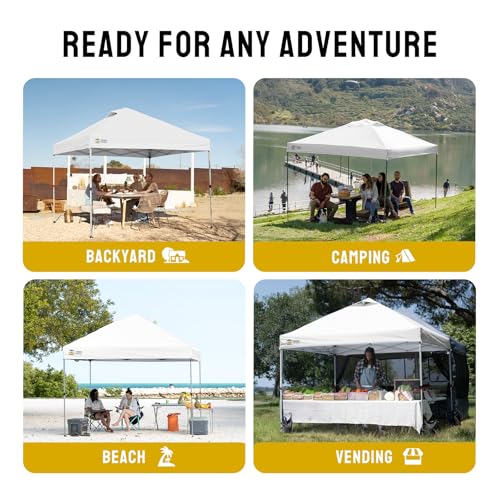



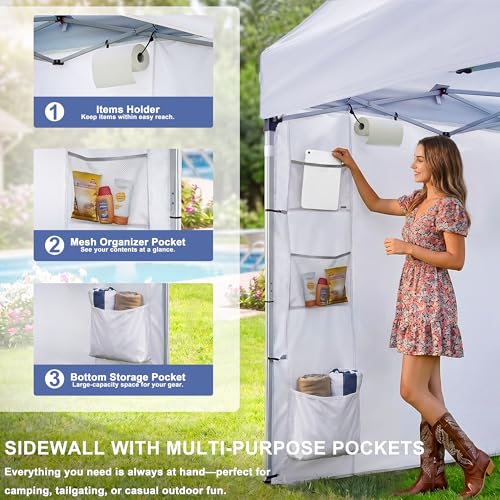


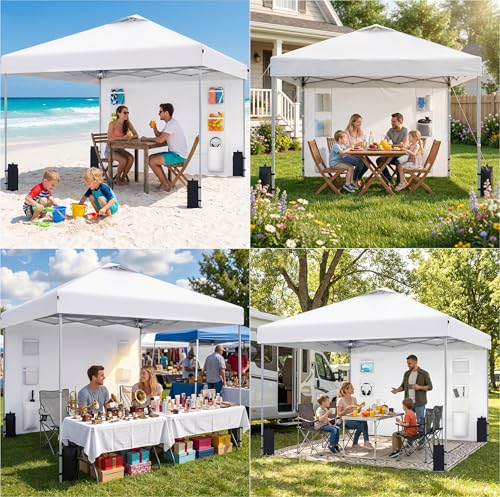









We also considered 10 others:


Our Top Choice
The order above is not editorial opinion, and it is not paid placement. It comes from what shoppers across our network actually do - which canopies they compare, and which they ultimately buy. We re-rank as new data comes in, so the long-term favorites have to keep earning their spot against new entrants. The full method, including how we make money.
Canopies Buyer's Guide
A pop-up canopy has to balance quick deployment with real outdoor restraint: the easiest shelter is still a liability if the frame twists, the fabric tears, or the legs lift in gusts. Careful shoppers should focus on one-person setup, shade and venting, anchoring, packed transport, and whether the included kit matches the way it will be used—markets, sports sidelines, camping, beach days, or backyard events.
Easy Setup
Setup is one of the biggest differences between canopies that get used often and canopies that stay in storage. A good pop-up canopy should not require several strong adults, awkward corner pulling, or a long learning curve every time it comes out.
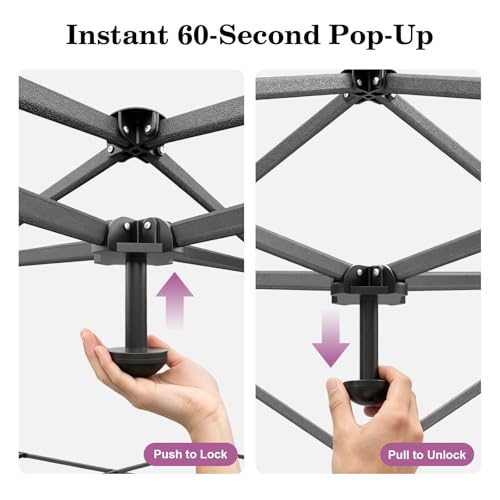
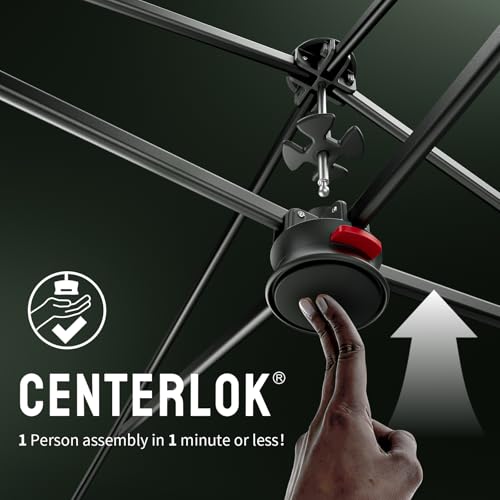
Look for a true center-push or center-lock frame, pinch-free height buttons, and a canopy top that can remain attached during packing if you expect to set up alone. Avoid designs that require walking the frame open from multiple corners at once, because they are slower, harder on the fabric, and frustrating at events where space is tight. Owner feedback strongly favors canopies that open and close quickly with one-person operation, with setup and takedown repeatedly described as a standout strength when the mechanism is simple and low-effort.
Shade Design
Canopy size is not just about square footage; it affects shade, heat buildup, booth layout, and wind resistance. Fabric thickness, UV protection, venting, and sidewall compatibility determine whether the shelter is comfortable for a full day outdoors.
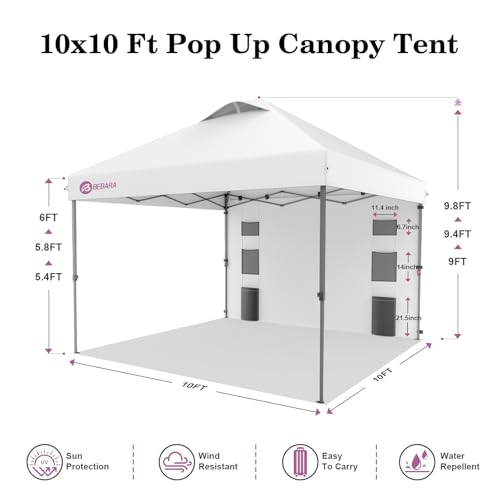
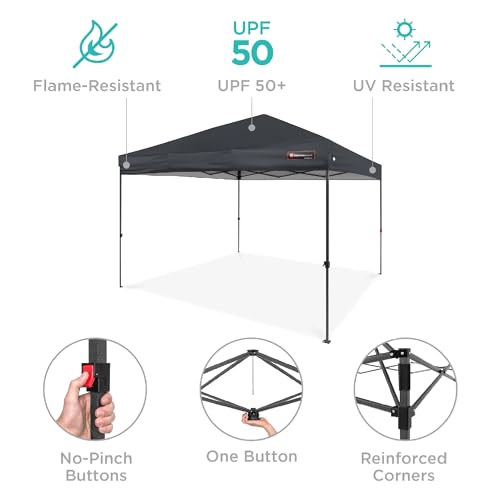
Match the footprint to the job: a 10x10 style footprint is the common sweet spot for family shade, vendor booths, pets, and sports sidelines, while larger coverage adds weight and wind load. Prioritize UV-rated fabric, a thicker-feeling top, clean tension at the corners, and roof vents that release heat and help reduce uplift; for vending or rain-prone use, check whether sidewalls are compatible and whether seams and reinforced stress points look well finished. Owners consistently value generous shade, cooler cover, top vents, reinforced areas, and a clean enough appearance for booths, festivals, and events.
Wind Security
Wind is the fastest way for a canopy to fail, even when the frame feels sturdy in normal handling. Anchoring hardware, leg weights, and smart setup practices matter as much as the canopy itself.
Buy for the wind you might actually see, not just calm-day shade: choose straight, sturdy legs, secure footplates, guyline points, stakes for soil, and weight bags or sandbags for pavement, beach, and market use. Never rely on the frame alone in gusts, and be cautious about leaving any pop-up canopy standing unattended, overnight, or during storms; wind can bend crossbars, twist legs, or turn the canopy into a sail. Owner sentiment makes stability the main watch-for, with properly secured setups earning confidence but stronger gusts causing bending, collapse, or broken crossbars in some cases.
Build Durability
A canopy is repeatedly stressed at the same points: center hub, trusses, corner fabric, leg sliders, and feet. Strong materials and clean construction help it survive repeated setup, transport, sun, rain, and occasional rough handling.
Inspect the frame material, joint hardware, truss bars, corner reinforcements, fabric denier or thickness cues, and whether replacement parts or tops are available. For regular events, choose a frame that feels rigid when extended and fabric with reinforced corners and attachment points; avoid flimsy trusses, thin unreinforced tops, and mechanisms that bind when folding. Owners often describe better canopies as sturdy, confidence-inspiring, and suitable for regular outdoor use, but durability feedback is more mixed than setup feedback, especially after long exposure, torn fabric, bent parts, or wind damage.
Portability
A canopy that is awkward to move may be technically good but impractical for real events. Packed size, wheel durability, bag design, and repacking ease determine whether one person can realistically transport it.
Check the packed length, total carry weight, handle placement, wheel quality, and whether the bag has enough room to repack the canopy without fighting the zipper. A sturdier frame may feel heavier, so wheeled bags and balanced carry handles matter if you will cross parking lots, sand, grass, or festival grounds. Owners frequently praise canopies that roll or pull easily, take up less room than older models, and fit back into the carry bag without much struggle, though sturdier builds can still feel heavy.
Kit Value
The best canopy package includes the parts needed for the intended setting, not just the frame and top. Accessories can affect safety, setup time, transport, weather readiness, and overall usefulness.
Compare the whole kit, not just the shelter: sidewalls, sandbags, stakes, guylines, wheeled storage, reinforced bag features, and usable instructions can save hassle and make the canopy more appropriate for stalls, camping, and beach use. A bare canopy may be fine for backyard shade, but vendors and frequent users should favor packages that include the anchoring and storage pieces they would otherwise need to add separately. Owners see strong value when the canopy combines a sturdy frame, thicker cover, included accessories, and transport features, with many viewing better-built packages as a worthwhile step up from cheaper pop-ups that may need replacing sooner.
1,000,000+ shoppers use Buyer's Guide every week to find the best products and services online.

Helping millions of users make smarter purchases online.


