


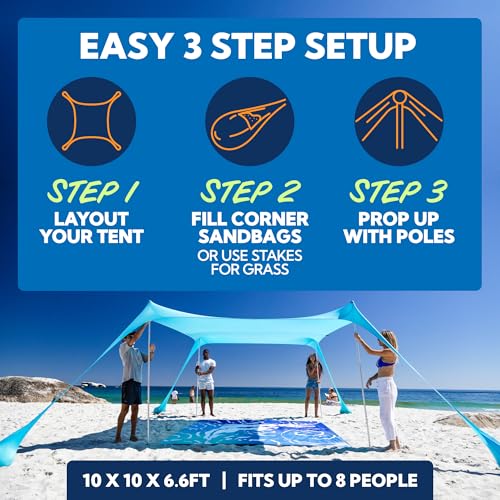





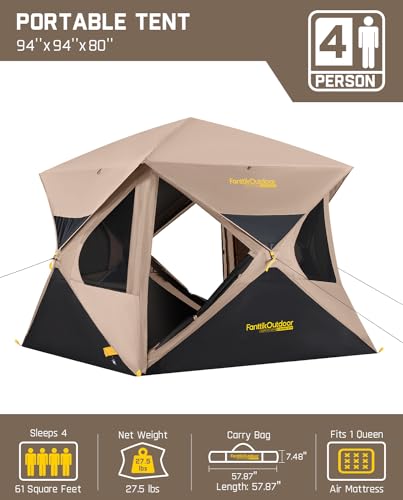


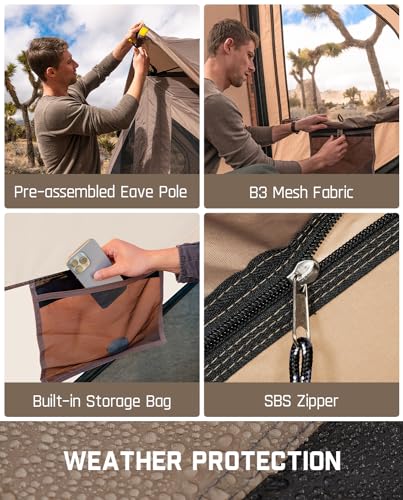


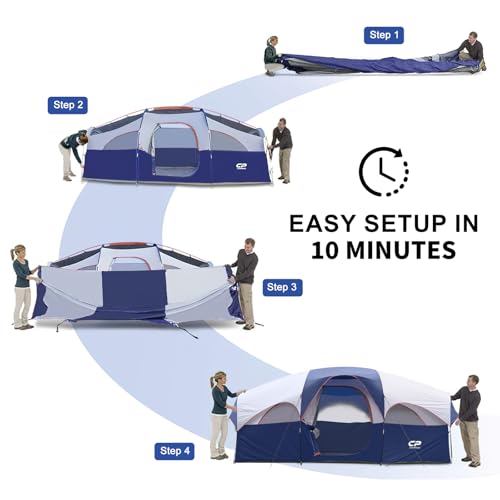


We also considered 10 others:


Our Top Choice
The order above is not editorial opinion, and it is not paid placement. It comes from what shoppers across our network actually do - which camping tents they compare, and which they ultimately buy. We re-rank as new data comes in, so the long-term favorites have to keep earning their spot against new entrants. The full method, including how we make money.
Camping Tents Buyer's Guide
Camping tents are a tradeoff between livable space, fast setup, and real weather protection: the roomiest cabin-style shelters are comfortable at camp, but they need good staking, ventilation, and stronger frames to behave well in rain and wind. A careful buyer should match the tent to the trip style first—car camping, family weekends, festivals, or exposed sites—then check the failure points that matter most: leaks, condensation, cramped layouts, difficult pitching, and weak poles.
Easy Setup
A tent that is hard to pitch can turn a routine arrival into a stressful job, especially after dark, in rain, or with kids waiting. Fast setup also matters for takedown, because a shelter that packs away cleanly is more likely to be used often instead of avoided.
Look for color-coded poles, pre-attached pole hubs, clear sleeve-and-clip routing, and a rainfly that can be attached without guessing front from back. For larger family and cabin tents, check whether setup is realistically solo-friendly or truly needs two people to lift and tension the frame; instant tents are faster, but their hinged frames should still lock securely and fold without forcing. Practice once at home, because even easy tents benefit from learning the pole sequence, guyline points, and rainfly orientation before a wet campsite arrival. Owner sentiment strongly supports making this a top criterion: many campers praised fast, low-stress pitching, with repeated reports of quick solo setup, beginner-friendly assembly, and instant-style tents going up in a few minutes or less once the routine is known.
Interior Space
Advertised sleeping capacity usually assumes people lying shoulder-to-shoulder with little gear, so usable space is often very different from the number on the package. Floor dimensions, peak height, wall shape, and room dividers determine whether a tent feels livable during rain, changing clothes, or managing children and pets.
Choose capacity by real use, not the headline number: size up if you use queen air mattresses, cots, dog beds, luggage, or want a sitting area during bad weather. Cabin walls and high peak heights are best for standing and family organization, while dome shapes shed wind better but feel tighter at the edges; room dividers help families separate sleeping zones, but only if doors, vents, and gear paths still work. Check actual floor dimensions against your mattress footprint and leave aisle space, because a tent that technically fits the bedding can still be miserable once bags and shoes come inside. Owners repeatedly emphasized roomy interiors as a major strength, citing space for queen mattresses, cots, luggage, kids, dogs, chairs, tables, gear storage, standing headroom, and two-room sleeping arrangements.
Weather Protection
Rain performance depends on the whole shelter system, not just the fabric claim. Seams, floor shape, rainfly coverage, staking angle, and ground choice all affect whether water stays outside during a long storm.
Prioritize a rainfly that covers doors and mesh panels well, a bathtub-style floor with raised seams, sealed or taped seams, protected zippers, and enough guy-out points to keep wet fabric off the inner tent. For rainy family camping, avoid relying only on a flat roof or minimal cap fly unless the site is sheltered and the forecast is mild; water can pool on shallow roofs, enter through poorly tensioned panels, or wick through contact points. Always stake the base, tension the fly, angle the door away from prevailing rain, and consider a properly sized footprint that does not protrude beyond the floor. Owner feedback backs this up: rain protection was often a bright spot, with campers reporting dry interiors through heavy rain, storms, several wet days, and wet trips when the tent was properly staked, covered, or treated.
Build Quality
A tent’s structure is stressed by wind, repeated packing, wet fabric tension, and people brushing against walls. Better frames and stitching reduce the chance of snapped poles, sagging fabric, stuck zippers, and loose seams over repeated trips.
Inspect pole material and diameter, hub hardware, zipper size, seam reinforcement, floor thickness, stake quality, and the number of guyline attachment points. Fiberglass poles are common and affordable but can splinter under stress; aluminum or robust steel-frame cabin designs generally handle repeated use better, though they may add weight. For breezy campsites, favor lower profiles, more guy-out points, taut fly geometry, and replace flimsy stakes with stronger ones suited to the soil. Owner sentiment shows this dimension separates satisfying tents from risky ones: campers often described strong materials, sturdy poles, good craftsmanship, reliable fabric, and shelters that felt well made for regular outdoor use, including usability through breezes and mild weather.
Air & Comfort
Ventilation is not just about feeling cool; it helps manage condensation from breathing, wet gear, and humid ground. A tent can be waterproof and still feel damp inside if airflow is poor or if rain forces every opening shut.
Look for large mesh roof panels, high-low vents, windows that can stay partially open under the fly, and door designs that allow airflow without letting rain blow in. In warm weather or crowded family use, cross-ventilation matters as much as floor area; in cool or wet weather, vents should remain usable while the rainfly is deployed to reduce condensation on walls and ceilings. Also check bug protection, privacy panels, and whether the interior can comfortably hold people during bad weather without everyone touching damp fabric. Owner comments mention roomy, comfortable interiors and note ventilation as part of the positive design impression, with campers appreciating enough space for people, pets, mattresses, and gear without feeling cramped.
Packability
The best tent for car camping may be too bulky for a long carry, while the lightest option may sacrifice standing room or durability. Packed size, bag design, and takedown effort affect whether the tent fits in the vehicle, stores cleanly, and gets used often.
Match packed weight and bag length to how you travel: large instant cabins and multi-room tents are usually best for car camping, while walk-in sites require stricter attention to carry weight and packed dimensions. Check whether the storage bag is oversized enough for real-world repacking, whether poles remain attached, and whether wet takedown will fit in your vehicle without soaking other gear. Avoid choosing only by open floor size if you have limited trunk space, apartment storage, or a long walk from parking to campsite. Owner sentiment supports considering takedown and storage alongside space: buyers often liked quick takedown, compact easy-to-store designs, and large shelters that still felt manageable when packed and handled correctly.
1,000,000+ shoppers use Buyer's Guide every week to find the best products and services online.

Helping millions of users make smarter purchases online.


