





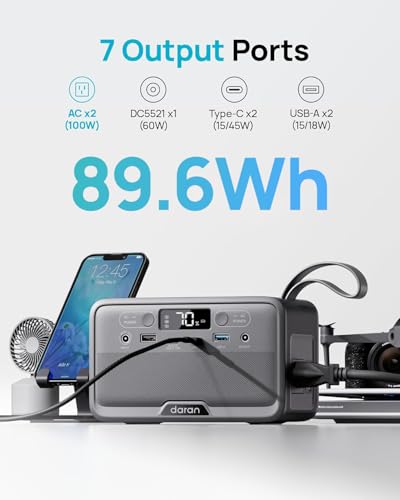
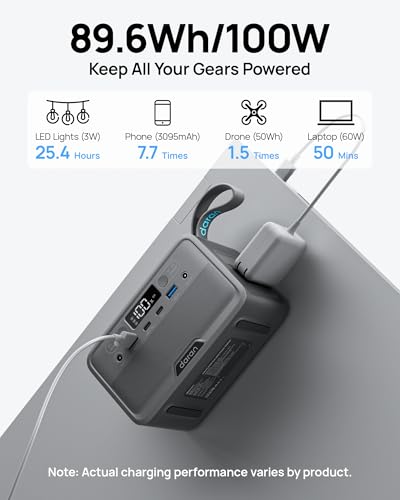
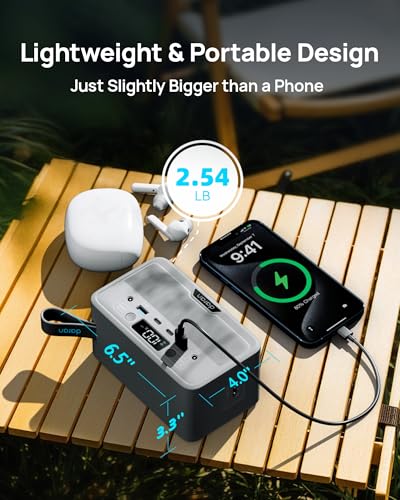


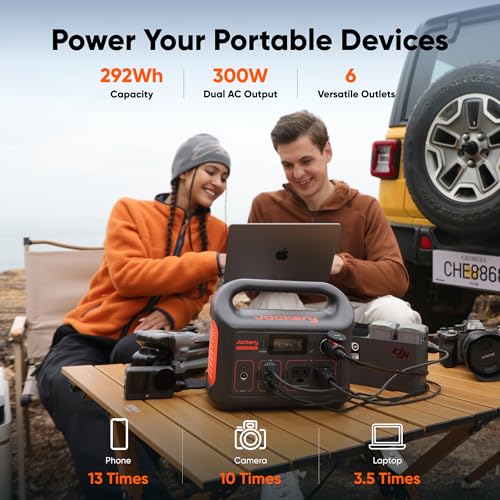








We also considered 10 others:


Our Top Choice
Compare Features


The order above is not editorial opinion, and it is not paid placement. It comes from what shoppers across our network actually do - which camping power stations they compare, and which they ultimately buy. We re-rank as new data comes in, so the long-term favorites have to keep earning their spot against new entrants. The full method, including how we make money.
Camping Power Stations Buyer's Guide
Camping power stations are a tradeoff between carrying enough watt-hours for overnight essentials and keeping the unit light enough to move around camp. The sharpest checks are whether the inverter can handle your real devices—especially CPAPs, fridges, pumps, and cooking gear—and whether you can reliably recharge from wall, car, or solar before the next night.
Power
You need enough power output to handle the appliances, tools, or devices you plan to run, including the higher starting watts many motors require. Look for a generator with appropriate running and surge capacity, stable power quality for sensitive electronics, and built-in protections that reduce the risk of overloads or unsafe delivery. Be careful not to size it only by peak wattage—your real-world backup needs depend on what you will run at the same time.
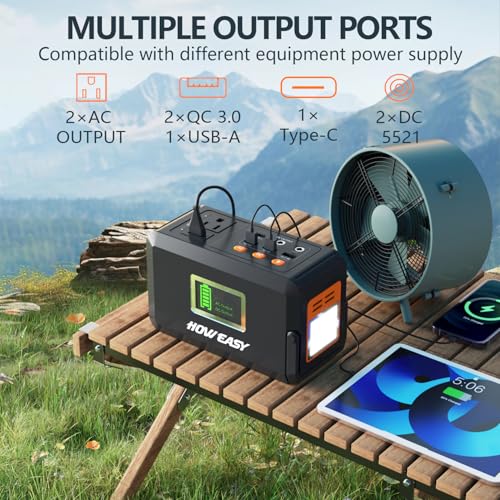
Size the station around the actual loads you will run at camp: check continuous AC wattage, surge rating for compressor fridges and pumps, pure-sine output for CPAPs and laptops, and whether DC/USB-C ports can run gear directly without inverter losses. Avoid choosing only by headline capacity if you need to run a microwave, RV accessory, satellite internet, or multiple devices at once; those loads can trip undersized inverters even when the battery still has charge. Owner reports support this distinction: smaller units are praised for phones, laptops, lights, fans, CPAPs, and small essentials, while higher-output models are credited with handling refrigerators, TVs, computers, small kitchen needs, microwaves, RV gear, satellite internet, tablets, and multiple phones without hiccups.
Reliability
You want a portable generator that feels dependable under real load, not just one that looks good on a spec sheet. Look for sturdy build quality, clean assembly, protected outlets and controls, effective airflow, and a reputation for running consistently during extended use. Be cautious of flimsy frames, poor ventilation, hard-starting engines, or reports of unstable power, since those can turn backup power into another problem.
For camping, reliability means more than surviving a shelf test: look for a rugged case, protected ports, stable handles, thermal management, a clear battery-management system, and clean power for medical or sensitive electronics. If you plan to use it for outage backup as well as camp use, check whether it supports UPS-style switchover, whether pass-through charging is permitted, and whether the fan noise or shutdown behavior is acceptable overnight. Owners generally describe well-built units as dependable for camping, road trips, docks, markets, events, van-life, and emergency backup, with particular confidence when units keep CPAPs, phones, servers, networking gear, laptops, mattress pumps, and portable fridge/freezers running as expected.
Battery
Battery life and charging performance determine how long you can keep essentials running when fuel is unavailable, noise is a concern, or you need backup power between generator uses. Look for realistic runtime at the loads you expect to power, plus practical charging capability such as fast wall charging, solar input, or car charging if you’ll be off-grid. Watch out for vague battery backup claims that don’t state the watt-hours, recharge time, or what devices were used to measure runtime.
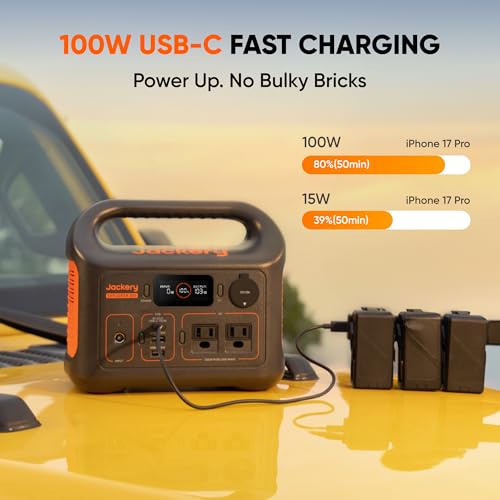
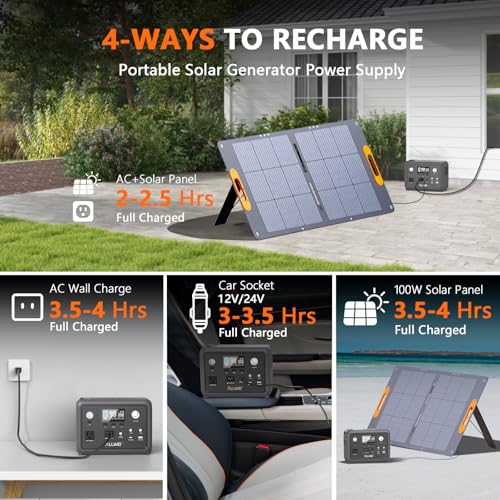
Match watt-hours to nights away, not just to device count: a CPAP with humidifier, a 12V fridge in hot weather, or a fan running overnight can drain far more than phones and lights. Check usable capacity, battery chemistry, cycle-life rating, low-temperature charging limits, AC recharge speed, car-charge capability, and solar input limits in volts and watts; a station that charges fast from the wall may still recharge slowly from an underpowered panel in partial shade. Owner sentiment backs the importance of charging flexibility, with many buyers praising quick wall top-ups, useful solar charging, car-port charging, high-watt USB-C, and runtimes that cover overnight camping, RV use, outage needs, phones, tablets, small electronics, refrigerators, lights, computers, and CPAP machines depending on load.
Portability
Portability matters because a generator that is too heavy or bulky can be difficult to move, load, store, or position safely when you need it. Look at the unit’s weight, overall size, handle design, wheels, and balance, and consider whether one person can realistically move it over the surfaces you expect. Watch for compact models that save space but may trade off fuel capacity, runtime, or power output.
Decide whether this is a backpack/tent unit, a car-camping unit, or a basecamp/RV unit before buying, because capacity rises with weight and bulk. For tent and trail-adjacent use, prioritize a compact body, secure handle, low weight, and ports that remain usable when the unit is placed beside bedding or under a table; for car camping, a heavier unit may be worthwhile if it prevents battery anxiety. Owners repeatedly value units that are small enough for a backpack, tool bag, tent, hunting trip, road trip, field work, or emergency kit, while still feeling sturdy enough to move between home, vehicle, campsite, dock, market, and outdoor setups.
Value
Portable generators can vary widely in cost once you factor in power output, fuel use, runtime, noise, build quality, and included features, so the best value is not always the cheapest option. Look for a generator that reliably covers your essential power needs without making you pay for capacity or extras you will rarely use, and watch out for low upfront prices that may come with shorter runtimes, flimsy components, or limited support.
Judge value by usable watt-hours, inverter capability, battery chemistry, solar compatibility, included cables, warranty support, and whether the station can replace a noisy fuel generator for your actual camping loads. Avoid overpaying for capacity you cannot recharge in the field, or for peak watt claims that do not support your real devices continuously; conversely, do not underspend if you need overnight medical-device power or fridge reliability. Owners tend to see strong value when the package combines solid build quality, practical battery life, AC outlets, USB charging, solar readiness, manageable size for its capacity, and enough versatility for both camping gear and household backup.
Ease
You’ll appreciate a portable generator that’s easy to set up, starts reliably, and has clear controls when power is out or you’re working away from an outlet. Look for simple starting options, intuitive gauges and outlets, accessible fuel and oil fill points, and features like remote start or connectivity if you want to operate it from a distance. Watch out for heavy, awkward designs or confusing control panels that can make day-to-day use more frustrating than the power is worth.
Choose a station you can operate in the dark, in a tent, or during a power outage: look for a readable display with input/output watts and time remaining, clearly labeled ports, one-button AC/DC control, accessible front-facing outlets, and controls that work without mandatory app access. For solar use, verify panel compatibility and real-world setup simplicity, because shade, panel angle, low panel wattage, and connector limitations can make field charging less convenient than the spec sheet suggests. Owners commonly praise straightforward setup, clear displays, useful ports, simple menus, app control when available, and flexible expansion, but they also note that solar charging and connectivity are more situational and work best with full sun and properly matched panels.
1,000,000+ shoppers use Buyer's Guide every week to find the best products and services online.

Helping millions of users make smarter purchases online.


