





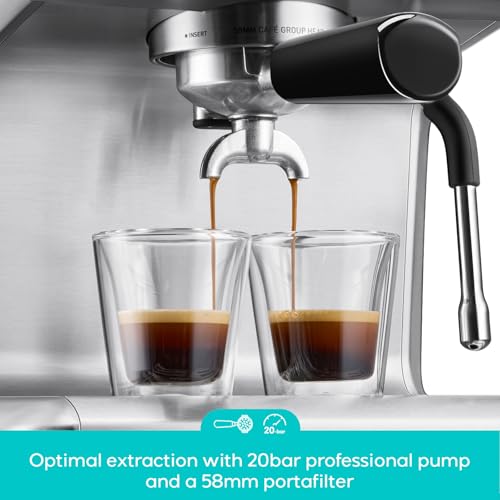


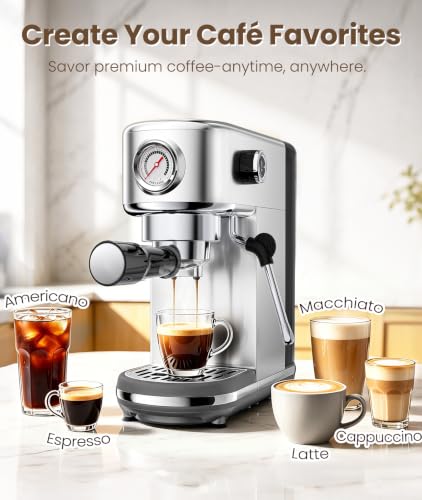


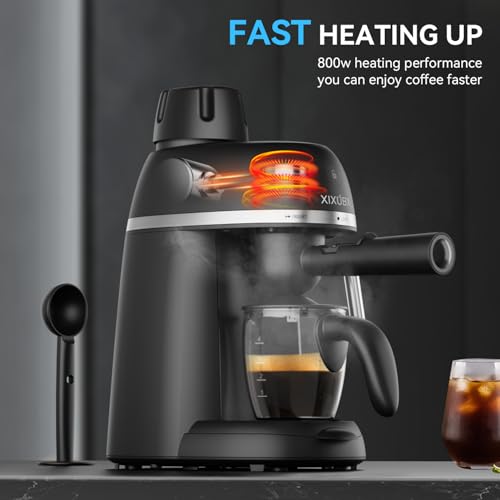


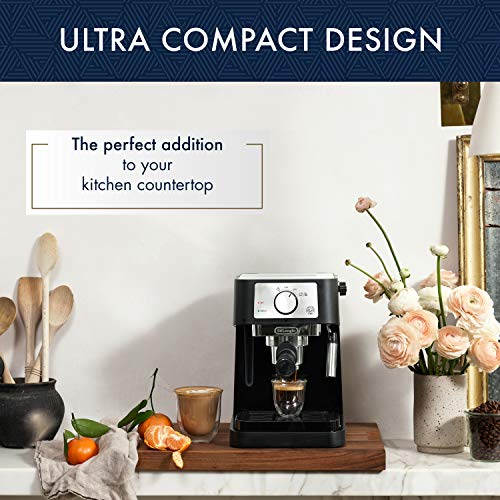







We also considered 10 others:


Our Top Choice
Compare Features


The order above is not editorial opinion, and it is not paid placement. It comes from what shoppers across our network actually do - which budget espresso machines they compare, and which they ultimately buy. We re-rank as new data comes in, so the long-term favorites have to keep earning their spot against new entrants. The full method, including how we make money.
Budget Espresso Machines Buyer's Guide
Budget espresso machines trade café-style control against tight limits in heat stability, grinder dependence, steaming power, and long-term durability. The smartest buy is not the one with the biggest pressure claim, but the one that matches your coffee source, milk-drink habits, counter space, and willingness to learn dosing and cleanup.
Brew
Your espresso machine ultimately earns its place by what ends up in the cup: balanced flavor, good body, and consistent extraction shot after shot. Look for machines that can maintain stable temperature and pressure, let you control grind- and dose-sensitive variables, and avoid models that regularly produce sour, bitter, watery, or inconsistent espresso.
For budget espresso, judge brew performance by whether the machine can hold stable heat and pressure through the shot, not just by advertised “bar” numbers. Look for a pressurized portafilter if you want forgiving results with pre-ground coffee, or a standard/non-pressurized basket only if you’re willing to buy a capable burr grinder and dial in grind size; avoid machines that hide basket size, portafilter diameter, or temperature behavior. Owner feedback supports this: many buyers report rich, smooth espresso, good crema, strong flavor, and café-style drinks once grind and technique are dialed in, with built-in grinders praised when they produce fresher-tasting shots.
Build
Because espresso machines combine heat, pressure, water, and moving parts, build quality has a big impact on how reliably your machine performs over time. You should look for sturdy materials, tight-fitting parts, stable portafilter and steam-wand mechanisms, and a design that makes seals, gaskets, and drip areas easy to inspect or maintain. Watch for signs owners often report as leakage, inconsistent pressure, loose components, or repeated failures, since those can turn a good shot into an ongoing repair hassle.
In this category, build quality matters most where cheap machines fail first: portafilter fit, pump vibration, steam knob durability, water-tank seal, drip-tray rigidity, and whether the machine feels stable when locking in the handle. Favor stainless or metal-reinforced housings, accessible tanks, replaceable baskets/gaskets, and a warranty/support path; be cautious of very light plastic bodies, flimsy knobs, or proprietary parts that make repairs impractical. Owner sentiment is encouraging here, with buyers often describing budget models as sturdy, well made, dependable for daily use, quick-heating, and better built than expected for the money.
Ease
Ease of use matters because an espresso machine you can operate confidently is more likely to fit into your daily routine, especially when you’re half-awake or making back-to-back drinks. Look for clear controls, intuitive settings, easy water and bean access, straightforward cleaning prompts, and a workflow that matches how hands-on you want to be. Watch out for machines that require frequent manual adjustments, complicated menus, or fussy cleanup if you want consistent results with less effort.
For beginners, the easiest budget machine is not always the most automated one; it is the one that makes dosing, tamping, purging, steaming, and cleanup repeatable. Look for clear water-level visibility, simple controls, removable drip tray, easy basket emptying, a steam wand you can wipe and purge, and enough cup clearance for your mugs; avoid designs that require awkward refilling, tiny drip trays, or unclear button sequences. Owners commonly back this up, saying setup, brewing, steaming, refilling, and cleaning feel approachable, with straightforward manuals, intuitive buttons, and little learning curve once the basics are learned.
Value
Value matters because an espresso machine can seem worthwhile only if its shot quality, milk performance, durability, and ease of use match what you paid for. Look for owners saying it delivers consistent results and has features you’ll actually use; watch out for complaints about costly upkeep, flimsy parts, or a learning curve that makes the machine feel like poor value for money.
Value in a budget espresso machine depends on the whole setup, not just the machine: budget for a burr grinder if the machine uses non-pressurized baskets, a tamper that actually fits, milk pitcher, scale, cleaning supplies, and possible replacement gaskets. A machine is a better buy if it includes useful accessories, heats fast enough for your routine, and can make both espresso and milk drinks without needing immediate upgrades; avoid paying for flashy pressure claims while missing essentials like a usable basket, stable steam wand, or serviceable parts. Owner sentiment aligns with this, with many buyers feeling these machines deliver strong value, solid construction, quick heating, homemade café-style drinks, and, in some cases, extra value from a built-in grinder.
Design
Your espresso machine will likely sit out on the counter, so its appearance should fit your kitchen rather than feel like clutter. Look for a design, finish, and footprint that match your space and daily routine, and watch for bulky shapes, awkward controls, or surfaces that show fingerprints and splashes too easily.
For small kitchens, check the real operating footprint, not just the machine width: you need space above to remove or refill the water tank, room beside it to lock in the portafilter, clearance under the spout for cups, and access to the steam wand without hitting a wall. Compact stainless designs are appealing, but avoid layouts with rear-only tanks, shallow drip trays, or tight wand placement if you make milk drinks daily. Owners repeatedly praise compact footprints, polished stainless looks, and modern countertop presence, especially when the machine fits limited counter space without feeling like a cheap appliance.
1,000,000+ shoppers use Buyer's Guide every week to find the best products and services online.

Helping millions of users make smarter purchases online.


