


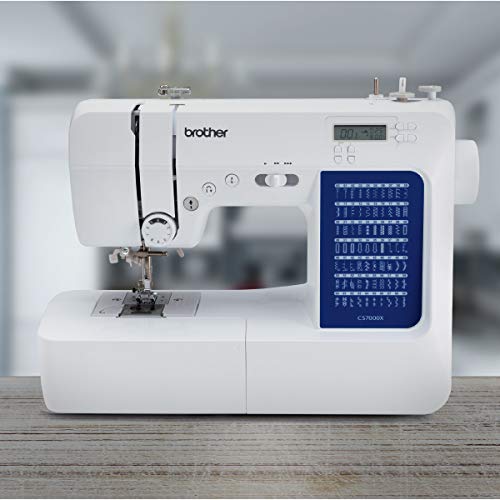








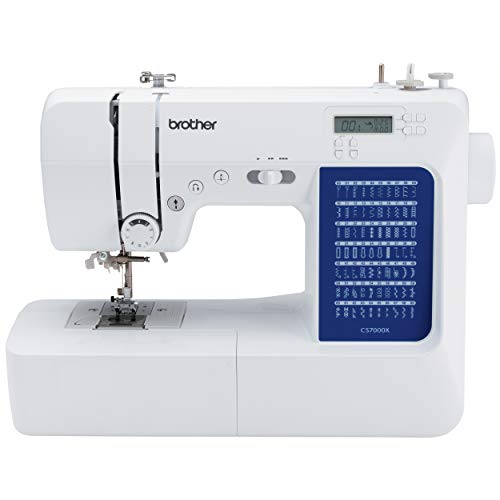









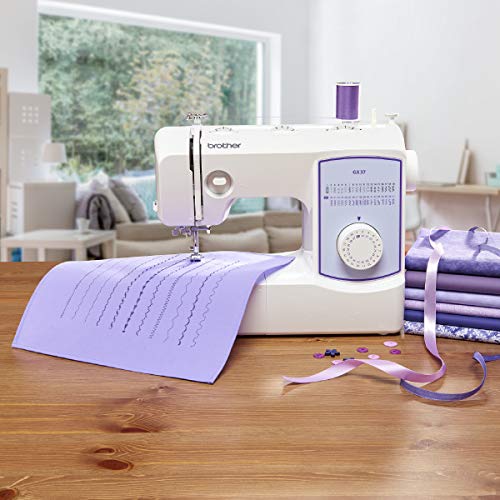


We also considered 10 others:



Our Top Choice
Compare Features


The order above is not editorial opinion, and it is not paid placement. It comes from what shoppers across our network actually do - which brother cs7000x sewing machines they compare, and which they ultimately buy. We re-rank as new data comes in, so the long-term favorites have to keep earning their spot against new entrants. The full method, including how we make money.
Brother CS7000X Sewing Machines Buyer's Guide
This niche is about balancing computerized convenience and quilting-friendly features against the limits of a lightweight domestic machine. The sharpest checks are whether it feeds real project layers cleanly without tension drama and whether the included feet, table, bobbin system, and controls match the sewing you actually plan to do.
Build
A well-built sewing machine runs more smoothly, stays steadier at higher speeds, and is more likely to handle repeated use without loosening, rattling, or falling out of alignment. Look for sturdy construction, a stable base, durable internal parts, and controls that feel solid rather than flimsy; be cautious of machines that flex, vibrate heavily, or struggle with thicker fabrics, since those can be signs of weaker long-term durability.
Prioritize a stable internal frame, a flat extension-table fit, and smooth feeding over a flashy stitch count, because this lightweight computerized sewing-and-quilting class is best for garments, piecing, mending, and moderate layers—not constant upholstery, leather, or bulky seam stacks. Check that the machine does not flex when sewing at higher speed, that the presser foot area gives enough clearance for quilts or denim hems, and that replacement feet, bobbins, needles, and a cover are easy to source. Owners generally describe machines in this range as solid, quiet, and dependable for everyday sewing, with especially positive feedback around basic projects and smooth operation, but heavier-duty praise should not be mistaken for unlimited thick-material capacity.
Ease
A sewing machine that’s easy to set up, thread, and operate helps you spend more time sewing and less time troubleshooting. Look for clear controls, straightforward threading paths, helpful markings, and guidance you can actually follow, such as a well-written manual or video instructions. Watch out for machines with confusing menus, vague diagrams, or features that add complexity without making your projects easier.
Choose this type of machine only if the controls make the computerized features faster, not fussier: look for a clear stitch display, speed slider, start/stop control, needle up/down, top drop-in bobbin, easy bobbin winding, and threading guides you can follow without rereading the manual every session. Beginners should also check whether stitch length and width changes are obvious, whether the reverse button is easy to reach, and whether the foot pedal response feels gradual rather than jumpy. Owner feedback strongly supports this niche strength: many users find setup, threading, bobbin winding, and everyday seams approachable right away, with adjustable speed and simple controls making the machine welcoming for new sewists while still useful as skills grow.
Stitches
Stitching performance matters because even, consistent stitches make your seams stronger, cleaner, and easier to finish across different fabrics. Look for a machine that maintains good stitch quality at various speeds and offers the stitch options you’ll actually use, such as straight, zigzag, buttonhole, stretch, or decorative stitches. Also make sure stitch selection and adjustment feel straightforward, since confusing controls or limited fine-tuning can slow you down and lead to uneven results.
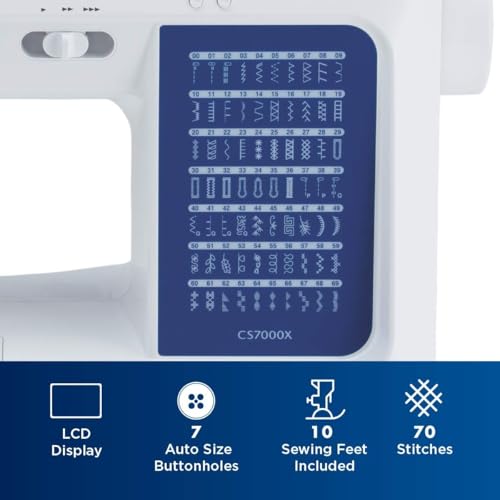
Do not buy mainly for the total number of decorative stitches; verify the practical stitches you will actually use: straight stitch for piecing, zigzag, blind hem, stretch stitches for knits, overcasting, applique/decorative options, and consistent one-step buttonholes. For quilting and garment work, check maximum stitch width and length, needle-position control, a reliable quarter-inch seam setup, and whether stitches stay balanced across cotton, knits, interfacing, and modest denim layers. Owners commonly praise smooth, even stitching, clean seams, useful buttonholes, speed control, and versatile stitch selections for hemming, mending, decorative work, and quilting, but the best results still depend on matching needle, thread, presser foot, and fabric weight.
Reliability
A reliable sewing machine lets you focus on your project instead of fighting skipped stitches, thread nests, or repeated jams. Look for smooth feeding, consistent stitch quality across different fabrics, and easy threading and bobbin handling, and be cautious of machines that users say “work well” only after frequent adjustments or troubleshooting.
Treat early testing and serviceability as major buying criteria: run every buttonhole, needle-position setting, speed mode, reverse function, feed-dog setting, and common stitch soon after purchase so tension or electronic issues show up while support options are available. Because computerized lightweight machines can be less economical to repair than mechanical workhorses, confirm warranty coverage, local service access, correct bobbin type, and whether the machine tolerates the fabric weights you plan to sew most often. Owner sentiment is encouraging for normal use, with many buyers reporting dependable everyday performance and smooth running, but the caveat is real: some users report tension problems, needle-position issues, stitch inconsistency, repair interruptions, plastic-build concerns, or longevity problems.
Value
A sewing machine should feel worth what you pay by matching your skill level, project needs, and expected use without charging extra for features you will not touch. Look for solid stitch quality, reliable feeding, useful accessories, and enough adjustability to grow with you; watch out for low-cost machines that save money upfront but feel flimsy, struggle with thicker fabrics, or limit basic repairs and replacements.
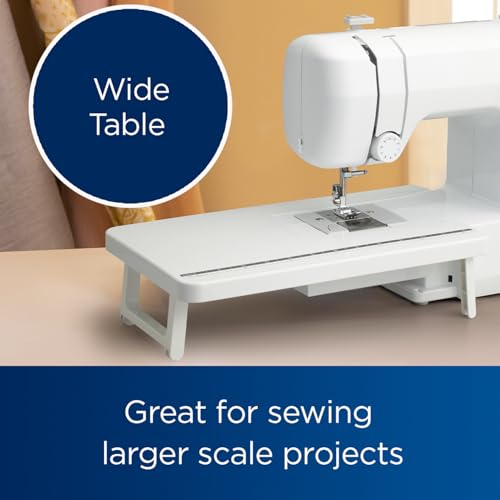
The best value comes if you will actually use the quilting table, speed control, buttonholes, included presser feet, drop-in bobbin convenience, and broad utility-stitch set; otherwise a simpler machine may satisfy basic hemming and repairs with less complexity. Compare the included accessories against your projects—quilting feet, overcasting foot, zipper foot, buttonhole foot, walking foot needs, extra bobbins, needles, and storage—because missing accessories can reduce the real-world value. Owners often view this class as a strong value because it handles alterations, everyday sewing, quilting starts, and creative projects with a generous feature bundle, especially when the included accessories match the buyer’s actual work.
Features
Features determine what you can actually make with a sewing machine, from basic repairs to quilting, embroidery, buttonholes, or heavier fabrics. Look for practical functions and included accessories you’ll use often, such as presser feet, stitch options, automatic needle threading, speed control, extension tables, or embroidery hoop sizes, and be wary of long feature lists that add complexity without matching your projects. Good organization for accessories also matters, because it helps you keep the machine usable instead of frustrating.
Check the exact feature bundle against your niche projects: free arm for cuffs and sleeves, extension table for quilting, feed-dog drop for free-motion work, snap-on low-shank foot compatibility, automatic needle threader, top-loading bobbin, LED work light, one-step buttonholes, speed control, needle up/down, and enough included feet for your first projects. Avoid assuming every “quilting” setup includes everything—walking feet, free-motion feet, quarter-inch feet, extra bobbins, or larger tables may vary—so confirm what is included and what is compatible before buying. Owners consistently like the practical convenience features, simple threading and bobbin systems, approachable controls, versatile stitch options, and accessory bundles, which supports this machine type as especially friendly for beginners and everyday sewists who want room to grow.
1,000,000+ shoppers use Buyer's Guide every week to find the best products and services online.

Helping millions of users make smarter purchases online.


