










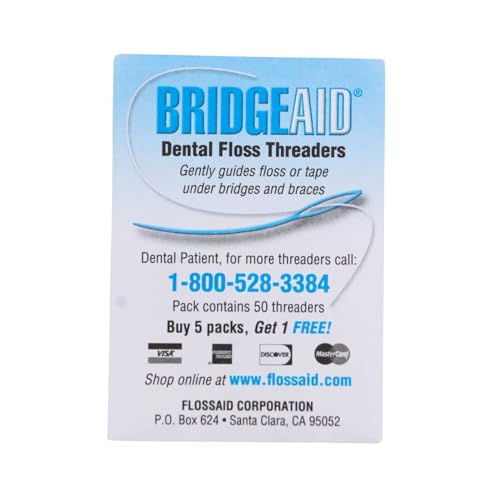




We also considered 10 others:

.png)


Our Top Choice
The order above is not editorial opinion, and it is not paid placement. It comes from what shoppers across our network actually do - which bridge flossers they compare, and which they ultimately buy. We re-rank as new data comes in, so the long-term favorites have to keep earning their spot against new entrants. The full method, including how we make money.
Bridge Flossers Buyer's Guide
Bridge flossers have to do something regular floss cannot: get under a fixed bridge, around dental work, or through orthodontic hardware without sawing at the gums or getting stuck. The key tradeoff is a tip that is stiff and guided enough to thread cleanly, but thin and gentle enough for tight embrasures and sensitive margins. Daily use also matters, because the best option is the one that makes under-bridge cleaning quick enough to keep doing.
Bridge Access
A bridge flosser is only useful if it can reliably reach the underside of the bridge and the spaces around dental work. Shoppers with braces, permanent retainers, or mixed dental work need a design that can navigate wires and fixed appliances without forcing regular floss through the wrong path.
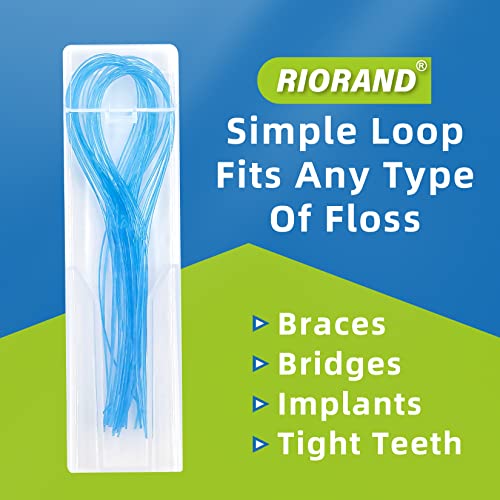
Look for a bridge flosser or threader with a smooth pointed end, a large eye or pre-attached/pre-cut floss section, and enough length to pass under a pontic before you pull the cleaning strand through. If you also have braces or a permanent retainer, prioritize designs made for both dental bridges and orthodontic wires; regular floss alone is usually too hard to route through these spaces. Owners consistently praised threaders that made bridge flossing straightforward, worked under bridges and other dental work, and also handled braces, retainers, and wires where standard floss is harder to use.
Threading Control
Good control reduces the awkward part of bridge flossing: getting the leading end into the right space without poking gum tissue or dropping the floss. A design that is easy to load, grip, and guide makes a big difference for daily compliance, especially for children or anyone flossing around hard-to-see dental work.
Choose a threader with a large loop for loading floss, a tapered guide end, and a length that gives your fingers something to hold while working near the back teeth. Avoid tiny eyes, slippery short pieces, or tips that bend before they pass under the bridge, because those failures turn a quick cleaning step into repeated attempts. Owner feedback supports this: shoppers liked large eyes, easy-loading loops, pointed guide ends, and designs that became easy once learned; some even found them manageable for a child with braces.
Tight Fit
Bridge spaces vary widely, and a flosser that works in one mouth can feel too bulky in another. Thickness is especially important because a too-thick threader can drag, wedge, or feel uncomfortable when pulled through tight spaces.
For tight bridge margins, narrow gaps, or closely spaced orthodontic wires, favor a thin, tapered threading end and floss that slides without needing force. If your dental work has more open access, a slightly sturdier or spongier strand may clean well, but it should still pass through without snapping back or scraping. Owner sentiment was notably divided here: many found the ends easy to thread between wires, while others felt some designs were a little thick to pull through tight spaces.
Clean Feel
Once the strand is under the bridge, the cleaning section has to remove plaque from the underside of the pontic and along the gumline. Texture, strand type, and whether the floss expands or feels spongy can affect how thoroughly it contacts the hidden surfaces.
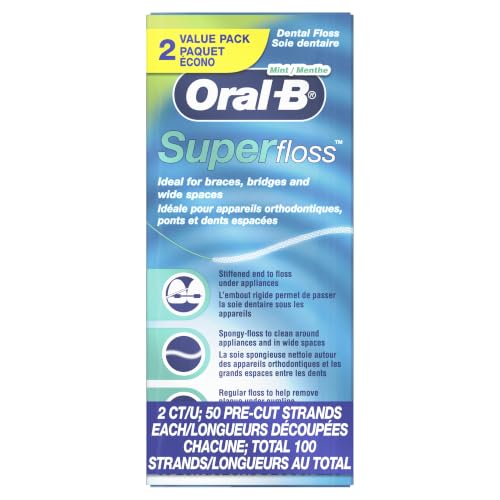
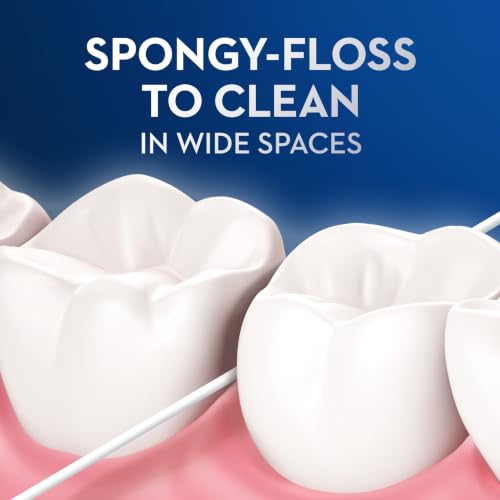
Look for a cleaning section that is soft enough for the gumline but textured enough to wipe under the bridge rather than simply slide through. Spongy or tufted sections can be helpful under pontics and around retainers, while smoother floss may be better for very tight contacts. Owners specifically appreciated options that cleaned under bridges and dental work effectively, and some noted that spongy floss with a mint taste left the mouth feeling clean and refreshed.
Daily Supply
Bridge flossers are a repeat-use hygiene item, so packaging and supply affect whether they stay practical over time. Single-use cleanliness, enough pieces for regular routines, and simple storage can matter as much as the flosser’s shape.
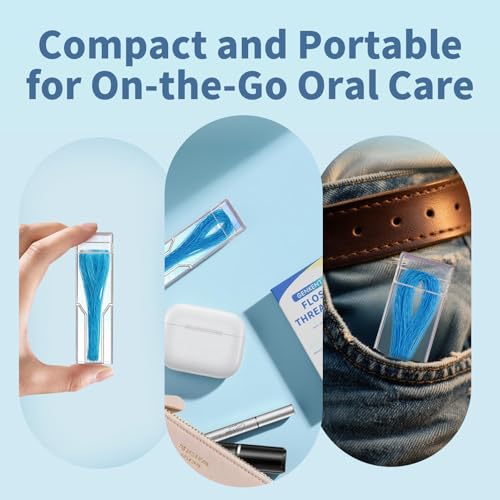
For daily bridge care, check whether the pack count matches how often you floss, whether each threader is meant for clean single use, and whether the pieces are easy to keep in a bathroom drawer, bag, or travel kit. A small carry case or compact packaging is useful if you need to clean around dental work away from home, but the core requirement is having enough dependable pieces that you do not ration them. Owners often framed larger counts as good value because they lasted a while, appreciated clean disposable use, and liked portable storage touches such as a carry case.
1,000,000+ shoppers use Buyer's Guide every week to find the best products and services online.

Helping millions of users make smarter purchases online.


