


















We also considered 10 others:


Our Top Choice
Compare Features


The order above is not editorial opinion, and it is not paid placement. It comes from what shoppers across our network actually do - which bread makers for sourdough they compare, and which they ultimately buy. We re-rank as new data comes in, so the long-term favorites have to keep earning their spot against new entrants. The full method, including how we make money.
Bread Makers for Sourdough Buyer's Guide
Sourdough bread makers are a tradeoff between automation and fermentation control: the machine must be convenient, but your starter’s timing will not always match a fixed yeast-bread program. The sharpest things to check are customizable rise/bake cycles and hardware that can tolerate sticky, acidic, high-hydration dough without weak kneading, stuck paddles, or gummy underbaked loaves.
Results
You want a bread maker that consistently turns out loaves with an even rise, tender crumb, well-browned crust, and balanced flavor, because convenience means little if the bread is dense, pale, or gummy. Look for machines known for reliable kneading, steady baking temperatures, and settings that match the breads you actually make, and watch out for models that leave unmixed flour, collapse loaves, or overbake the crust.
For sourdough, prioritize machines that can handle wet, sticky doughs and long fermentation without turning the loaf dense, gummy, or collapsed. Look for even baking, enough kneading strength for high-hydration dough, and loaf-size settings that match your starter-based recipes; avoid machines that only excel at quick yeast sandwich bread if you want open crumb or tangy flavor. Owner feedback supports this focus: buyers are happiest when machines produce well-shaped, flavorful, evenly baked loaves with consistent week-after-week results across white, wheat, rye, multigrain, oatmeal, and gluten-free styles.
Usability
A bread maker should make baking feel simpler, not add another appliance you have to decode. Look for clear instructions, intuitive controls, easy-to-read settings, and practical features like straightforward pan removal and cleanup; watch out for crowded displays, vague manuals, or too many preset programs that make everyday use more confusing than helpful.
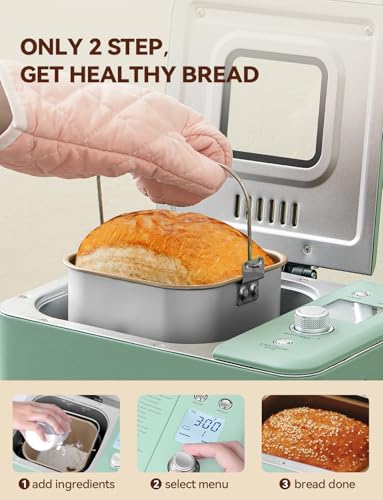
For sourdough usability, the best machine should let you intervene easily: pause or extend fermentation, remove the paddle before baking, shape the dough if needed, and check proofing without fighting the controls. A simple add-ingredients-and-walk-away process is helpful, but sourdough often needs judgment because starter strength, room temperature, and flour absorption vary; avoid interfaces that hide timing adjustments behind confusing menus. Owner sentiment backs the importance of simplicity, with many users praising straightforward controls, beginner-friendly setup, clear instructions, removable pans, and low-effort operation.
Programs
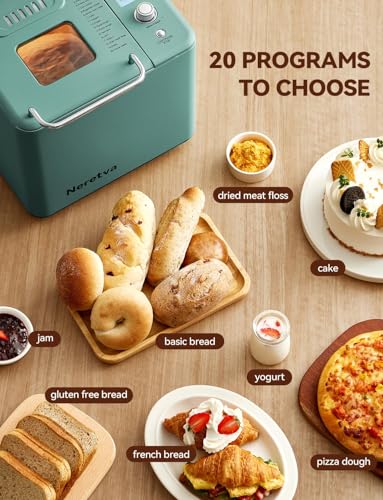
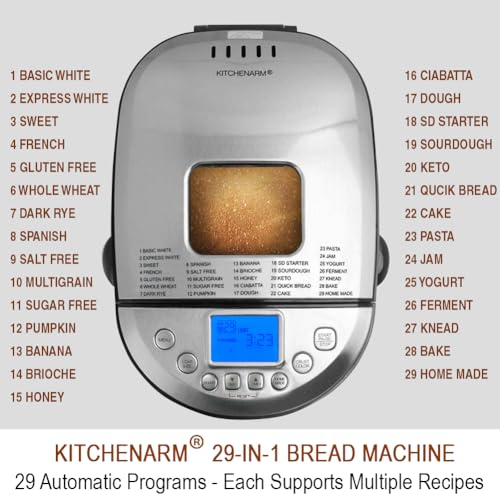
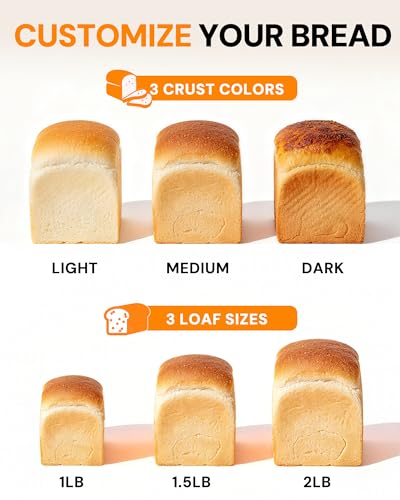
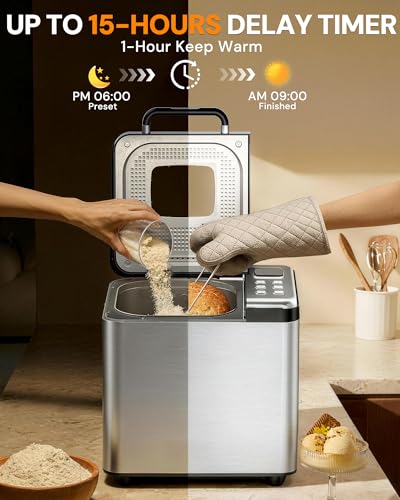
The right programs determine how well a bread maker fits the way you actually bake, from basic white and whole wheat loaves to dough-only, gluten-free, sweet bread, jam, or cake settings. Look for presets you’ll use often plus practical adjustments like crust darkness, loaf size, delay start, and keep-warm, and be wary of machines with lots of novelty modes but little control over timing or texture.
For sourdough, do not judge programs by sheer preset count; look specifically for a customizable cycle, dough-only mode, bake-only mode, adjustable rise/fermentation times, and ideally low-temperature fermentation control. Standard bread, quick bread, gluten-free, cake, yogurt, and jam presets add versatility, but they are less important than being able to separate kneading, bulk fermentation, final proof, and bake so the starter—not the machine’s fixed yeast schedule—sets the pace. Owner reports show that broad program sets and crust options are appreciated for many breads and doughs, and adjustable baking and fermentation options help users start simple and branch into more recipes.
Build
A well-built bread maker matters because the motor, pan, hinges, and kneading blade take repeated strain from dense doughs and long cycles. Look for a machine that feels stable on the counter, has a secure-fitting pan and lid, and uses sturdy, well-finished parts; be wary of flimsy paddles, rattling during kneading, or coatings and moving pieces that seem likely to wear quickly.
For sourdough build quality, check the pan coating, paddle fit, motor strength, hinge, and heating consistency because sticky acidic dough and frequent long cycles can be harder on parts than occasional basic loaves. A sturdy removable pan, reliable nonstick surface, quiet stable operation, and replacement availability for paddles and pans matter; avoid machines with a reputation for stuck paddles or fragile components if you bake several times a week. Owner feedback is mostly positive on frequent use and reliable weekly baking, with many finding machines durable enough for regular bread replacement, though some report recurring part-related annoyances such as sticking paddles or components that do not hold up perfectly.
Value
A bread maker can seem like a good deal until you factor in how well it bakes, how often you’ll use its settings, and what accessories or support are included. Look for a machine whose loaf quality, capacity, preset programs, durability, and included pan or measuring tools match your baking habits, and be wary of paying extra for features you won’t use. The best value for money is the model that reliably makes the bread you want without unnecessary complexity or shortcuts in build quality.
For sourdough value, pay for control and durability before extras: a cheaper machine without custom fermentation may waste flour and starter, while a versatile model can replace manual kneading, proofing space, and routine store-bought loaves. Useful accessories and recipe guidance are nice, but sourdough bakers should value repeatable fermentation control, dependable heating, multiple loaf sizes, and dough/bake-only flexibility most. Owner sentiment supports the value case when machines combine strong everyday performance, useful programs, included recipe guidance, countertop-friendly size, and enough convenience to reduce reliance on store-bought bread.
Cleaning
Cleaning matters because sticky dough, baked-on crust, and a tight paddle area can turn homemade bread into a chore after every loaf. Look for a removable nonstick pan and paddle that release residue easily, with few seams or crevices where dough can collect; watch out for interiors that are hard to reach or paddles that trap bread and require soaking or scraping.
For sourdough cleanup, look for a removable nonstick pan and paddle that release sticky dough easily, with no deep crevices where wet starter residue can dry into glue. High-hydration sourdough can climb the paddle shaft or smear under the lid, so easy hand-cleaning access matters more than a generic dishwasher-safe claim; also avoid abrasive cleaning that can damage the pan coating and worsen sticking. Owners commonly describe cleanup as easy thanks to removable, nonstick, easy-wipe pans, compact designs, and quiet low-hassle operation, which helps make frequent baking practical.
1,000,000+ shoppers use Buyer's Guide every week to find the best products and services online.

Helping millions of users make smarter purchases online.


