What to Know About Smoke Detectors
Posted on Saturday, May 09, 2026
To keep this site free for consumers, we receive compensation for customer referrals.
What to Know About Smoke Detectors
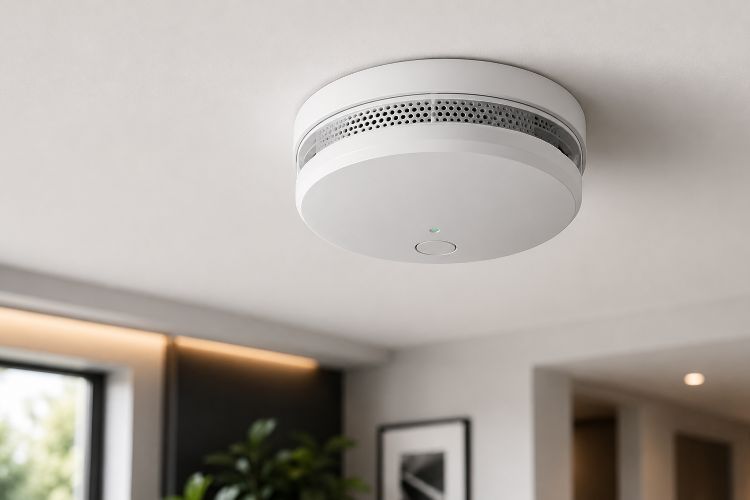
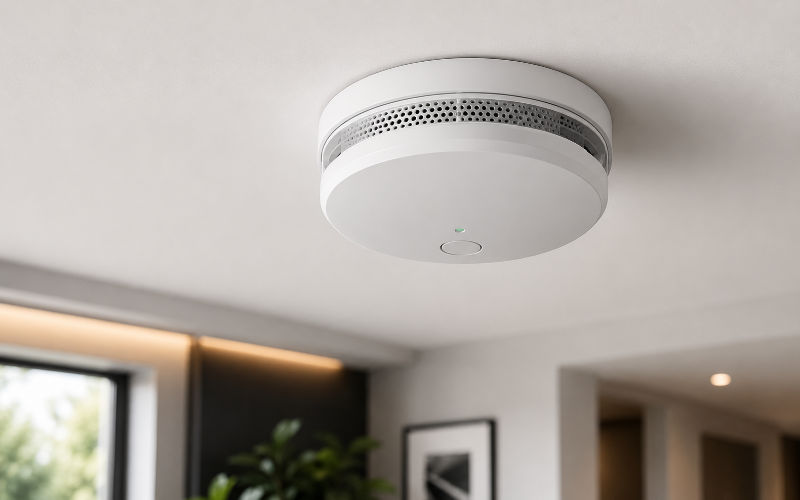
Smoke detectors play a central role in residential safety systems, yet many households give them little attention until an alarm sounds unexpectedly or a battery begins chirping. Understanding how smoke detectors work, where they differ, and how they fit into broader home safety planning can make evaluating options far more practical. Modern smoke detectors now include features tied to connectivity, power redundancy, and carbon monoxide detection, creating a wider range of considerations than many buyers initially expect.
For households updating older units or installing detectors in a newly occupied space, it helps to understand how sensor technology, installation methods, and replacement timelines affect long-term usability. The category has evolved beyond simple battery-powered alarms, and the differences between models can directly influence maintenance needs and overall convenience.
How Smoke Detectors Function in Everyday Use
Smoke detectors are designed to identify airborne particles associated with combustion and trigger an audible alert before smoke conditions become severe. Most residential units rely on either ionization sensing, photoelectric sensing, or a combination of both.
Ionization detectors generally respond faster to fast-flaming fires, while photoelectric detectors are often more responsive to slow-smoldering conditions. Combination units attempt to balance both detection approaches in a single device. In practical use, many households choose interconnected systems so that when one alarm activates, all alarms throughout the home sound simultaneously.
This interconnected approach becomes especially important in multi-story homes, larger floor plans, and sleeping areas separated by walls or distance. A detector located in a basement may not be heard clearly upstairs unless the system is linked throughout the home.
Hardwired vs. Battery-Powered Smoke Detectors
One of the most important distinctions in this category involves the power source. Smoke detectors are commonly available in hardwired and battery-powered configurations, each with different installation and maintenance implications.
Battery-powered smoke detectors operate independently and are typically easier to install because they do not require electrical wiring. These models are often used in apartments, older homes, temporary living arrangements, or spaces where electrical modifications are impractical. They can also provide flexibility when adding coverage to garages, workshops, or guest areas.
Hardwired smoke detectors connect directly to a home's electrical system and usually include a battery backup in case of power failure. Because they receive continuous power, they reduce the risk of a detector becoming inactive due to a forgotten battery replacement. Many hardwired systems also support interconnectivity more seamlessly across multiple rooms.
From a long-term ownership perspective, hardwired systems are often viewed as lower maintenance because the primary power source remains constant. However, installation can be more involved, particularly in homes without existing wiring infrastructure. Battery-powered units remain common because they simplify placement and upgrades, especially for homeowners seeking a less invasive installation process.
For some households, a mixed approach makes sense. A home may use hardwired detectors in central living areas while supplementing with battery-powered units in additional spaces where wiring access is limited.
Where Carbon Monoxide Detection Fits In
Many modern smoke detectors now include integrated carbon monoxide detection. These combination units monitor both smoke conditions and carbon monoxide levels through separate sensing systems housed within the same device.
Carbon monoxide is colorless and odorless, making it difficult to detect without specialized equipment. Appliances such as furnaces, fireplaces, gas ranges, and attached garages can all contribute to potential exposure risks under certain conditions. Because of this, combination detectors have become increasingly common in residential safety planning.
For homeowners attempting to reduce wall clutter or simplify maintenance schedules, combination units can streamline installation and monitoring. Instead of maintaining separate smoke alarms and carbon monoxide detectors throughout the home, a single unit may handle both functions.
That said, placement still matters. Carbon monoxide detectors are often recommended near sleeping areas and on each level of a home. Buyers evaluating combo units should pay close attention to recommended coverage areas and installation guidelines rather than assuming a single detector can adequately protect an entire property.
Features That Influence Long-Term Convenience
Many smoke detectors now include expanded functionality beyond basic audible alarms. While not every household prioritizes the same features, several capabilities can meaningfully affect daily usability and maintenance.
- Interconnectivity: Allows multiple alarms to activate together when smoke is detected in one location.
- Sealed long-life batteries: Designed to operate for extended periods without routine battery replacement.
- Voice alerts: Provide verbal warnings that identify the location or type of danger.
- Smart connectivity: Sends notifications to mobile devices when alarms activate or require maintenance.
- Silence functions: Temporarily mute nuisance alarms caused by cooking or steam.
- Low-battery indicators: Help identify units requiring attention before functionality is compromised.
- Self-testing systems: Automatically verify operational readiness at scheduled intervals.
While advanced features may improve convenience, they can also introduce additional setup complexity. Households focused primarily on straightforward operation may prioritize reliability and simplicity over app-based functionality or automation integration.
Replacement Timelines and Maintenance Expectations
One of the most overlooked aspects of smoke detector ownership is the replacement cycle. Smoke detectors are not intended to function indefinitely. Most units are designed for replacement approximately every 10 years, though exact recommendations vary by manufacturer and detector type.
Over time, sensor performance can degrade due to dust accumulation, environmental exposure, and normal electronic aging. Even if a detector still emits sound during a battery test, the sensing components themselves may no longer perform at the intended sensitivity level.
Many newer models include end-of-life alerts that notify users when replacement is necessary. This feature can reduce uncertainty, particularly in homes with multiple alarms installed over many years.
Regular maintenance remains important regardless of detector style. Batteries should be checked routinely where applicable, vents should remain free of dust buildup, and alarms should be tested periodically using the built-in test function. Households with pets, heavy cooking activity, or construction dust may need more frequent cleaning to minimize nuisance alarms and maintain proper airflow through the sensor chamber.
Realistic Expectations and Common Trade-Offs
No smoke detector completely eliminates fire risk, and even advanced systems depend heavily on proper placement and maintenance. False alarms remain one of the most common frustrations, particularly near kitchens, bathrooms, or poorly ventilated areas.
Photoelectric models may reduce nuisance alarms from cooking smoke compared to some ionization-only units, though installation distance from cooking appliances still matters. Similarly, smart-enabled systems may improve awareness during travel or remote monitoring situations, but they also depend on stable wireless connectivity and compatible home networks.
Buyers should also consider the number of detectors required rather than focusing solely on individual units. Coverage planning often becomes more important than selecting the most feature-heavy device available.
How Different Households Approach This Category
The right smoke detector setup often depends on the age of the home, occupancy patterns, and long-term maintenance preferences. Smaller apartments may prioritize easy installation and compact designs, while larger homes often benefit from interconnected systems with broader coverage coordination.
Households with children, elderly occupants, or individuals who spend significant time in separate areas of the home may place greater importance on synchronized alarms and voice notifications. Properties with fuel-burning appliances frequently prioritize integrated carbon monoxide monitoring as part of the overall safety setup.
Understanding these factors can make comparing smoke detector options more manageable. Rather than focusing only on alarm volume or appearance, evaluating power source, connectivity, maintenance cycles, and coverage needs often provides a clearer framework for decision-making.
As smoke detector technology continues evolving, the category increasingly reflects broader home safety planning rather than standalone alarm placement. With a clearer understanding of installation methods, replacement timelines, and detector configurations, households can approach the evaluation process with more confidence. Visit our site for more category research and guidance designed to support informed product evaluation.

Related Blog Posts