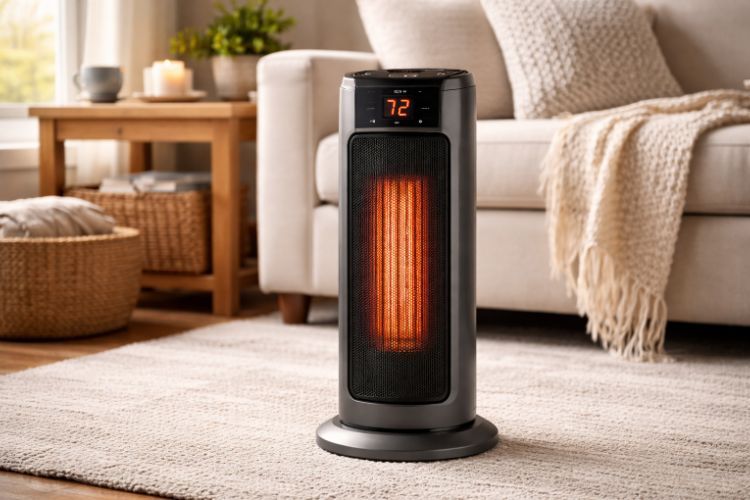
Choosing the Right Space Heaters
Posted on Friday, April 03, 2026
To keep this site free for consumers, we receive compensation for customer referrals.
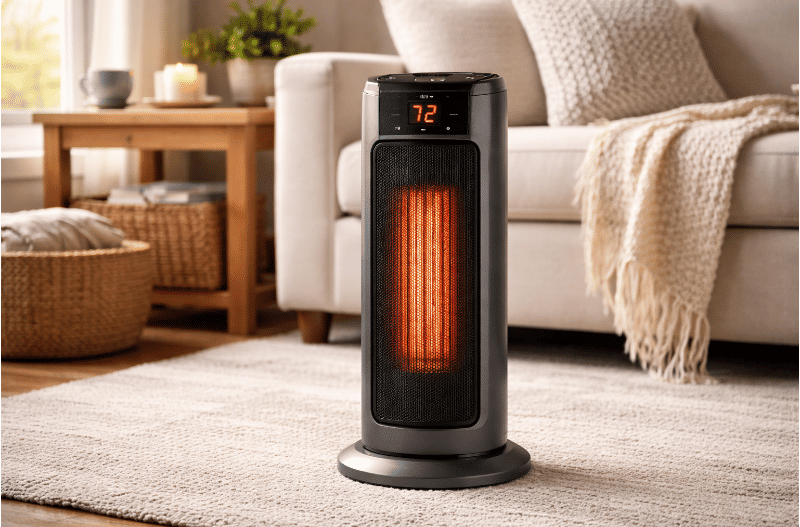
Choosing the Right Space Heaters
Space heaters are widely used to provide targeted warmth in specific areas, often supplementing central heating or addressing uneven temperature distribution. While the general concept is familiar, selecting the right space heater involves understanding how different designs operate, how they perform in real-world conditions, and which features align with specific usage patterns. The variety of formats and heating methods can make this category more complex than it initially appears.
A more informed evaluation of space heaters focuses on practical performance, energy behavior, safety considerations, and how well a unit fits into the intended environment. These factors tend to shape long-term satisfaction more than surface-level specifications.
How Space Heaters Generate and Distribute Heat
Space heaters rely on different heating mechanisms, each affecting how warmth is produced and distributed. Some models use convection to gradually warm the air in a room, while others rely on radiant heat to directly warm nearby objects and people.
Fan-assisted heaters circulate warm air more quickly, which can be useful in colder spaces that need faster temperature changes. In contrast, oil-filled or ceramic-based units often prioritize steady, consistent heat over time. The choice between these approaches depends largely on whether immediate warmth or sustained comfort is the priority.
Common Types of Space Heaters
Understanding the main categories can help narrow down which type is most appropriate for a given space.
Convection heaters warm the surrounding air and are typically suited for maintaining a consistent temperature over longer periods.
Radiant heaters emit heat directly toward objects and people, making them more effective for spot heating in smaller areas.
Fan-forced heaters use internal fans to distribute heat quickly, which can be helpful in rooms that need rapid warming.
Oil-filled radiators retain heat and release it gradually, often resulting in quieter operation and more stable temperatures.
Infrared heaters focus on direct heat transfer and are often used in spaces where immediate warmth is preferred.
Key Features That Influence Performance
Several features play a meaningful role in how space heaters perform and how easy they are to use on a daily basis. Evaluating these elements can help clarify what matters most for different environments.
- Heat output settings: Adjustable power levels allow for better control over temperature and energy use.
- Thermostat controls: Built-in thermostats help maintain a consistent temperature without constant manual adjustment.
- Coverage area: The effective heating range varies by design and determines how well a unit can warm a given space.
- Portability: Size, weight, and handle design influence how easily the heater can be moved between rooms.
- Noise levels: Fan-based units may produce more sound, while other types operate more quietly.
- Safety features: Tip-over protection, overheat shutoff, and cool-touch exteriors contribute to safer operation.
- Energy controls: Timers and eco modes can help regulate usage patterns without requiring constant oversight.
What Many People Look For
When evaluating space heaters, users often prioritize a balance between effective heating and manageable energy use. A unit that provides noticeable warmth without requiring constant adjustment tends to be more practical in everyday use.
Ease of operation is another common consideration. Simple controls, clear displays, and intuitive settings can make a significant difference, especially in households where the heater is used frequently.
Safety is often a central concern, particularly in homes with children or pets. Features that reduce the risk of overheating or accidental contact are frequently part of the decision-making process.
Flexibility also plays a role. Many users prefer heaters that can adapt to different rooms or conditions, whether through portability or adjustable settings.
Everyday Performance Considerations
Real-world performance depends on more than just heating capability. Room size, insulation, and airflow all influence how effectively a space heater can maintain comfort. A unit that performs well in a small, enclosed room may be less effective in a larger or drafty space.
Placement is another important factor. Positioning a heater near seating areas or away from obstructions can improve efficiency and comfort. Poor placement can reduce effectiveness, even with a higher-capacity unit.
Energy usage patterns also matter. Some heaters cycle on and off to maintain temperature, while others run continuously at lower levels. Understanding these behaviors can help set expectations for both comfort and operation.
Trade-Offs and Practical Limitations
Each type of space heater comes with trade-offs that should be considered before making a decision. Fan-based heaters provide quick warmth but may introduce noise and uneven heat distribution. Radiant heaters offer immediate comfort but are limited in coverage.
Oil-filled models tend to operate quietly and maintain stable temperatures, but they may take longer to heat up initially. Convection heaters can warm larger areas but may require more time to reach a noticeable temperature change.
Portability can also introduce compromises. Smaller units are easier to move but may have reduced heating capacity, while larger models provide broader coverage but are less convenient to reposition.
Recognizing these limitations helps create more realistic expectations about how a heater will perform in daily use.
Where Space Heaters Make the Most Sense
Space heaters are often used in rooms that are difficult to heat evenly, such as basements, home offices, or bedrooms. They can also be useful in situations where central heating is unnecessary or inefficient for a specific area.
In smaller living spaces, a compact unit may provide sufficient warmth without requiring extensive setup. Larger areas may require more strategic placement or multiple units to achieve consistent comfort.
Different households approach space heating with different priorities, whether focused on supplemental warmth, temporary use, or ongoing temperature control.
Making a Practical Choice
At the end of the day, choosing a space heater comes down to how you actually plan to use it. A unit that works well in one room or situation might feel underwhelming in another, even if the specs look similar.
It helps to think about when you’ll turn it on, how long you’ll run it, and what kind of warmth you expect. Some setups are better for quick comfort, while others make more sense for longer stretches without much adjustment.
Once you’re clear on those basics, it becomes easier to sort through the options without overthinking every feature. Most of the decision tends to fall into place when the heater matches your space and routine.
If you want to explore more ways to approach different home product categories, you can find additional guidance across our site.

Related Blog Posts