Boat Tubes: What Really Matters
Posted on Sunday, June 07, 2026
To keep this site free for consumers, we receive compensation for customer referrals.
Boat Tubes: What Really Matters
Summer Fun Starts With the Right Setup
Boat tubes are one of the simplest ways to turn a summer day on the water into something people remember. They do not require advanced skill, specialized training, or years of experience. Riders climb on, hold tight, and let the boat create the fun.
That simplicity is part of the appeal, but it can also make the category seem easier to evaluate than it really is. The shape of the tube, number of riders, tow position, handle layout, inflation quality, and riding style all affect how the experience feels once the boat starts moving.
A good boat tube is not just about being exciting. It should match the riders, the boat, the water conditions, and the kind of day people actually want to have.
The Best Boat Tube Is About the Ride
Many people start by looking at size or capacity, but the better starting point is the ride experience.
Some boat tubes are designed for fast, splashy rides with sharper turns and more movement across the wake. Others are built for stability, comfort, and a less intense experience. Neither approach is automatically better. A tube that thrills teenagers may feel overwhelming for younger riders, while a very stable tube may feel too tame for people looking for more action.
The goal is to match the tube to the group. Summer boating often includes different ages, comfort levels, and personalities. A tube that works well for mixed groups can make the day smoother, safer, and more enjoyable for everyone involved.
Shape Changes Everything
Boat tubes may look similar at first glance, but shape has a major effect on how they behave behind the boat.
Deck tubes are flatter and often create a more active ride. Riders usually lie on their stomachs or kneel, which can make the experience feel faster and more physical. These tubes can be exciting, but they may require more grip strength and body control.
Cockpit-style tubes have recessed seating areas that help riders feel more secure. They are often easier for younger riders or more cautious passengers because the seating position provides added support.
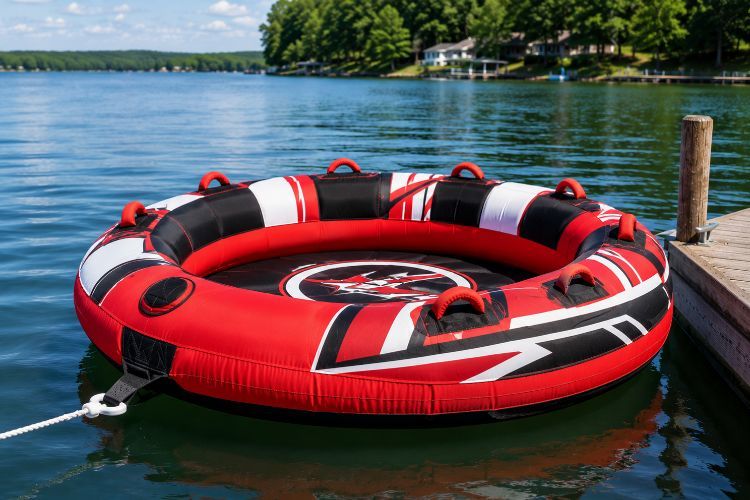
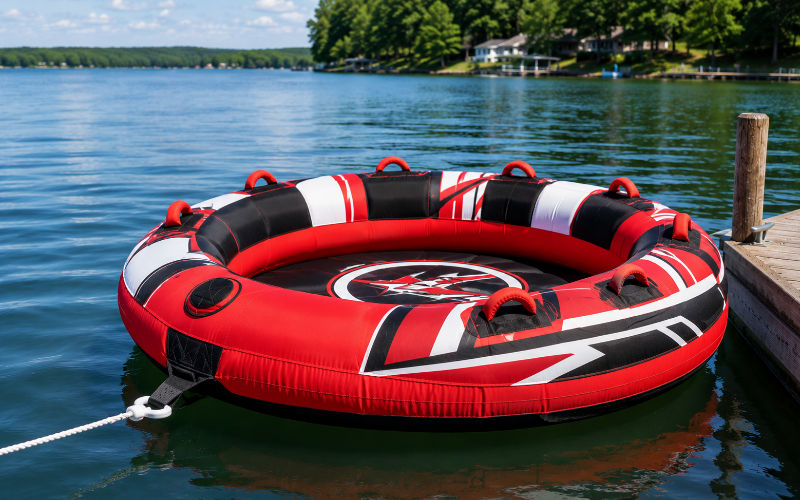
Donut-style tubes offer a classic ride with a simple, familiar design. They can be fun for casual use, though they may not provide the same support or capacity as larger multi-rider options.
Multi-rider tubes are built for shared experiences. They can make the ride more social, but they also require careful attention to weight limits, balance, and rider positioning.
Capacity Is Not Just a Number
Rider capacity is one of the most important details to evaluate, but it should not be treated as a simple maximum.
A tube rated for multiple riders may technically support a certain number of people, but the ride will feel different depending on the riders' combined weight, how evenly they are positioned, and how aggressively the boat is driven.
More riders can make the tube feel heavier and more stable, but they can also increase drag and change how the tube responds during turns. A lighter single rider on a large tube may experience a very different ride than a full group using the same design.
Capacity should be considered alongside comfort, control, and the experience level of the riders.
Comfort Matters More Than People Expect
Boat tubing looks like pure adrenaline from the shore, but comfort quickly becomes important once riders are bouncing across the water.
Handle placement, padding, seating position, and surface texture all affect how long people want to stay on the tube. Poorly positioned handles can make riders tire quickly. Minimal padding can make longer rides uncomfortable. A slippery surface can make it harder to stay secure when the boat turns.
For families or groups spending a full day on the water, comfort is not a small detail. It can be the difference between one quick ride and everyone lining up for another turn.
Features That Actually Matter
Boat tube features are most useful when they improve the ride, simplify setup, or support safer use. The most important details are usually practical rather than flashy.
- Tube Shape: Determines whether the ride feels stable, fast, relaxed, or more intense.
- Rider Capacity: Affects balance, comfort, towing resistance, and how the tube handles turns.
- Handle Layout: Influences grip, control, and rider confidence during movement.
- Padding: Helps reduce discomfort during longer rides or choppier water conditions.
- Tow Point Design: Affects how smoothly the tube tracks behind the boat.
- Inflation Valve: Impacts setup time, deflation, and how easy the tube is to prepare between outings.
- Cover Material: Helps protect the inflatable bladder from wear, sun exposure, and repeated use.
- Boarding Ease: Matters when riders need to climb back on from the water.
Boat Speed Sets the Tone
The same boat tube can feel completely different depending on speed, turns, wake size, and water conditions.
A slower ride can feel relaxed and approachable, especially for younger or first-time riders. Higher speeds and sharper turns create more spray, bounce, and side-to-side movement. That may be fun for experienced riders, but it can be too intense for others.
Summer tubing should feel exciting, not chaotic. The driver plays a major role in creating the right experience by adjusting speed and turns to match the riders.
Water Conditions Can Change the Ride
Calm water usually creates a smoother, more predictable ride. Choppy water adds bounce and movement, which can make tubing more exciting but also more tiring.
Wind, boat traffic, and wake patterns can all affect how a tube moves. A tube that feels easy to control in calm morning water may feel much more aggressive on a busy afternoon lake.
This is why it helps to think beyond the tube itself. The best setup considers the lake, the weather, the boat, and the people riding that day.
Storage and Setup Are Part of Ownership
Boat tubes are fun on the water, but they also need to be inflated, deflated, dried, stored, and transported.
Larger tubes can provide a better group experience, but they also take up more space. Some are bulky even when deflated. Smaller tubes may be easier to manage, but they may not offer the same comfort or capacity.
Anyone planning frequent summer outings should think about how the tube will fit into the full routine, from loading the boat to packing up at the end of the day.
What Really Matters
The best boat tube is not simply the biggest, fastest, or most dramatic-looking option. It is the one that fits the riders and the way the boat will actually be used.
For families, that may mean stability, comfort, and easy boarding. For thrill-seekers, it may mean a more responsive shape and a ride that feels lively behind the boat. For mixed groups, versatility may matter most.
Boat tubes are about summer memories, shared laughter, and the kind of fun that gets talked about long after the boat is back on the trailer. Choosing thoughtfully helps make those moments easier to create.
Buyer's Guide publishes educational category research to help consumers better understand products before making purchasing decisions. If you're continuing your research into boat tubes, check out our website.

Related Blog Posts