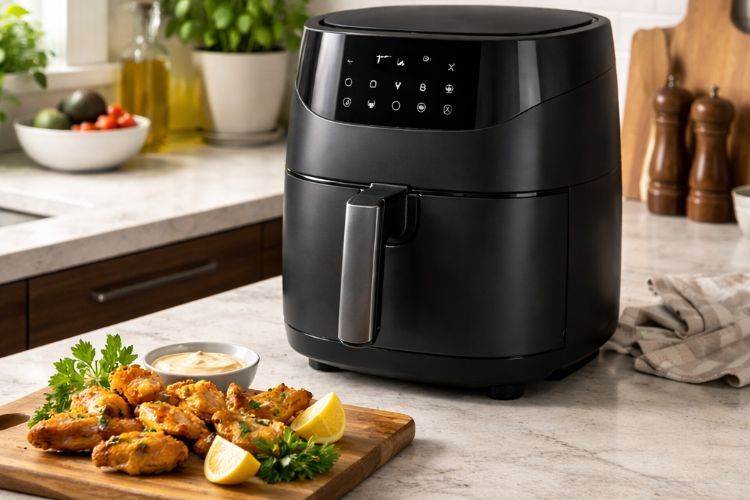
Best Air Fryers for Smart Kitchens
Posted on Friday, February 13, 2026
To keep this site free for consumers, we receive compensation for customer referrals.
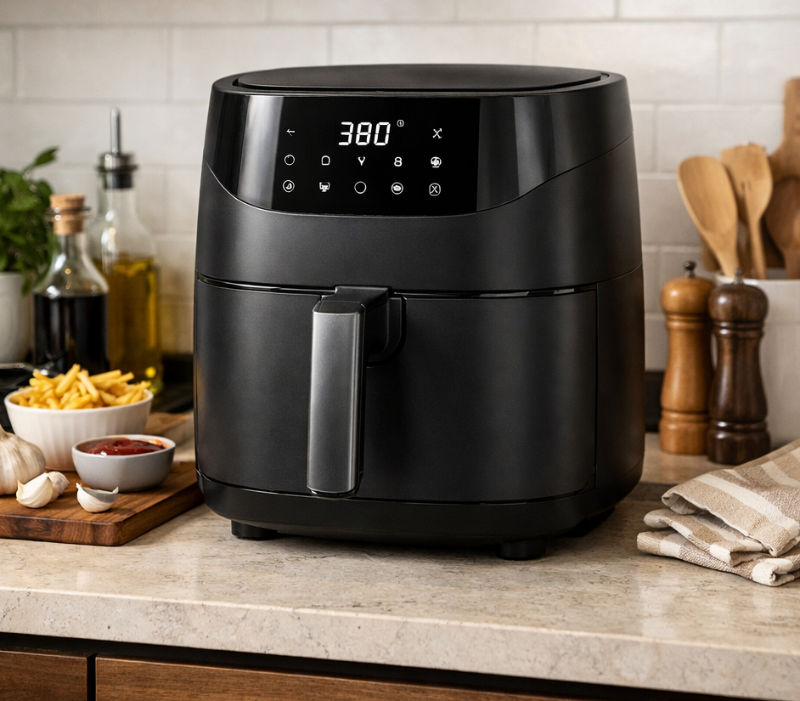
Air Fryers: A Practical Guide to Understanding Your Options
Air fryers have become a widely discussed kitchen appliance for people looking to prepare crisp, flavorful foods with less reliance on traditional deep frying. For many households, the decision to buy an air fryer centers on convenience, cooking speed, and ease of cleanup. With multiple sizes, designs, and feature sets available, understanding how air fryers work and what differentiates one model from another can make the evaluation process more straightforward.
Why This Category Matters
Air fryers use circulating hot air to cook food, creating a texture similar to frying without submerging ingredients in oil. This method can reduce the mess and odor typically associated with stovetop or deep frying while offering faster preheating than many conventional ovens.
For individuals balancing busy schedules, limited kitchen space, or a desire for simplified meal preparation, air fryers can serve as a compact alternative to larger appliances. Choosing carefully matters because capacity, temperature control, and cooking functions vary significantly, which directly affects performance and day-to-day usability.
How to Choose the Right Air Fryer for Your Needs
Capacity is often the first consideration. Smaller units may suit individuals or couples preparing modest portions, while larger baskets or dual-compartment designs are better aligned with families or batch cooking. Counter space should also be evaluated, as higher-capacity models typically require a larger footprint.
Cooking style and frequency play an important role. Those who plan to use an air fryer occasionally for snacks may prioritize simplicity, while frequent users might benefit from adjustable temperature ranges, preset programs, or multi-functionality such as roasting or baking.
Control interface preferences also influence the experience. Manual dials offer straightforward operation and may appeal to users seeking minimal complexity. Digital touch controls provide more precise adjustments and preset options but can introduce a learning curve.
Ease of cleaning is another practical factor. Removable, dishwasher-safe baskets and nonstick interiors can simplify maintenance. If cleanup is inconvenient, consistent use may decline over time.
Noise level and ventilation requirements should not be overlooked. Air fryers rely on internal fans to circulate hot air, and some units operate more audibly than others. Kitchen layout and tolerance for sound may influence overall satisfaction.
Key Features to Look For
Temperature range determines cooking versatility. A broader range allows for tasks beyond air frying, such as dehydrating or reheating leftovers. Consistent heat distribution is equally important, as uneven airflow can result in inconsistent browning.
Preset cooking functions are designed to simplify common tasks, but their usefulness depends on how accurately they align with actual cooking needs. Some users prefer manual control to fine-tune time and temperature settings rather than relying solely on presets.
Basket design affects both performance and capacity. Perforated baskets promote airflow and crispness, while tray-style interiors may allow for layering but require rotation for even cooking. Dual-basket configurations enable cooking different foods simultaneously, though they may increase overall appliance size.
Safety features such as automatic shutoff and cool-touch handles contribute to everyday usability. While most air fryers incorporate basic safeguards, the placement of vents and external heat management can influence countertop comfort and surrounding clearance requirements.
Wattage impacts preheating speed and cooking time. Higher wattage units generally heat more quickly but may draw more electrical power. Ensuring compatibility with existing outlets and circuits is a practical step before purchase.
Common Mistakes to Avoid
One common misconception is that air fryers eliminate the need for oil entirely. While significantly less oil is typically used compared to deep frying, small amounts are often still required to achieve optimal texture for certain foods.
Overcrowding the basket is another frequent issue. Proper airflow is essential to achieving even crisping. Filling the basket beyond its recommended capacity can lead to uneven results and longer cooking times.
Ignoring kitchen space constraints can also create frustration. Some models appear compact but require additional clearance around vents. Measuring available space before selecting a unit can help avoid placement challenges.
Assuming all air fryers perform identically may lead to mismatched expectations. Differences in fan strength, heating elements, and basket design can influence cooking outcomes, making it important to evaluate features rather than relying on general category assumptions.
Who Benefits Most From This Type of Product
Individuals seeking a faster alternative to traditional oven cooking often find air fryers appealing. Smaller households preparing quick weeknight meals or reheating leftovers may appreciate the reduced preheating time and compact format.
Apartment dwellers or those with limited kitchen layouts may benefit from the space efficiency of a countertop appliance that can handle multiple cooking tasks. In shared living spaces, minimizing cooking odors and grease splatter can also be a consideration.
Home cooks experimenting with different textures may find value in the ability to achieve crisp exteriors on vegetables, proteins, and frozen foods without extensive preparation. At the same time, those who regularly cook large quantities may need to assess whether a single-basket unit can accommodate their volume needs.
Strengths and Limitations
Like any kitchen appliance, air fryers offer both practical advantages and trade-offs. Evaluating these factors in the context of personal cooking habits can clarify whether the category aligns with specific needs.
- Strengths: Faster preheating compared to conventional ovens, compact design suitable for smaller kitchens, reduced oil usage compared to deep frying, and relatively simple cleanup when components are removable.
- Limitations: Limited cooking capacity in smaller models, potential need for batch cooking for larger households, audible fan operation, and countertop space requirements that may compete with other appliances.
Making an Informed Decision
Air fryers can offer a streamlined approach to preparing crisp and evenly cooked foods, but the right choice depends on realistic expectations and everyday cooking patterns. Capacity, control type, ease of maintenance, and available space all contribute to long-term satisfaction.
By clarifying how frequently the appliance will be used and what types of meals it will support, narrowing down suitable options becomes more manageable. Understanding these factors can make comparing air fryers a more structured and confident process.

Related Blog Posts