





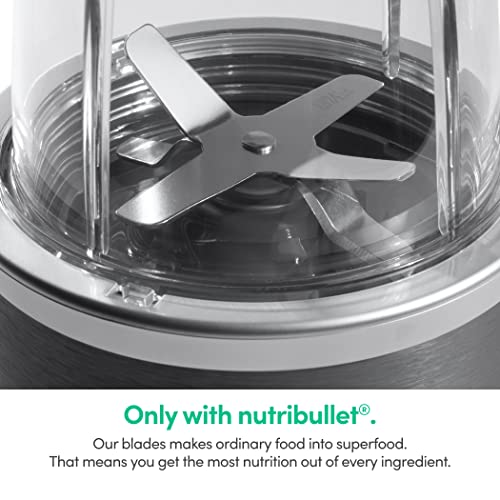


We also considered 10 others:


Our Top Choice
Compare Features


The order above is not editorial opinion, and it is not paid placement. It comes from what shoppers across our network actually do - which blenders they compare, and which they ultimately buy. We re-rank as new data comes in, so the long-term favorites have to keep earning their spot against new entrants. The full method, including how we make money.
Blenders Buyer's Guide
Blenders are a tradeoff between raw crushing power, cleanup burden, and the specific container style that fits how you cook or drink. The sharpest concerns are whether the motor-and-jar design can handle your hardest ingredients without leaks, overheating, or chunky results, and whether the parts are easy enough to clean that you will actually use it daily.
Build
A blender’s build quality affects how well it holds up to frequent use, tough ingredients, and everyday handling. Look for a sturdy base that stays stable, durable jar materials, tight-sealing lids, and controls that feel solid rather than flimsy; watch out for lightweight construction, loose fittings, or parts that seem hard to clean or replace.
For blenders, build quality is mainly about the jar, blade assembly, coupling, lid seal, and base stability—not just how solid the appliance feels on the counter. Look for a jar material suited to your use: glass resists staining and hot-food odors but is heavier, while plastic is lighter for daily smoothies but should feel thick, lock securely, and resist clouding; avoid flimsy lids, loose gaskets, wobbly bases, and blade assemblies that are hard to seat correctly, because leaks and stripped drive couplers are common failure points. Owner feedback supports prioritizing sturdy, task-matched construction: buyers consistently praise well-made everyday models, compact personal units, immersion designs, and all-in-one systems when they feel reliable across smoothies, sauces, soups, protein mixes, and frequent prep.
Performance
Performance matters because it determines whether your blender can turn everyday ingredients into the texture you actually want, from silky smoothies and soups to evenly chopped vegetables or smooth baby food. Look for a blender that handles both soft and tough ingredients without leaving chunks, gritty bits, or uneven results, and watch for models that struggle with frozen fruit, leafy greens, ice, or thick mixtures unless you stop and stir often.
Choose performance around the hardest thing you actually blend: ice and frozen fruit, fibrous greens, hummus, nut butters, cashew cream, nut milks, or hot soups. For thick blends, look for a jar shape that pulls ingredients down into the blades, enough blade reach to avoid dead zones, and either a tamper or safe way to add liquid; avoid models that only perform well with loose, watery recipes if you expect frozen or low-liquid blends. Owner reports back this up: the most praised blenders are the ones that make smoothies, frozen drinks, leafy green blends, hummus, nut milks, cashew cream, and nut butters smooth rather than chunky, and compact models earn approval when frozen fruit and ice do not bog them down.
Power
You’ll notice blending power most when you’re crushing ice, making nut butters, or working with frozen fruit and fibrous greens. Look for a motor that can handle tough ingredients without stalling or overheating, but don’t judge by wattage alone—jar design, blade geometry, and speed control also affect how efficiently that power turns into smooth results.
Do not buy on wattage alone; match motor power, torque, speed control, and duty cycle to the job. High-power countertop blenders are better for ice, frozen fruit, nut butters, and dense dips, while immersion blenders need enough torque for soups and purées but also enough control to prevent splashing, suction, and scratched cookware; compact personal blenders can be capable for drinks but should not be treated like heavy-duty food processors unless rated for it. Owner sentiment reinforces this distinction: buyers strongly value raw motor strength for tough blends, frozen ingredients, and creamy soups, while also noting that powerful immersion units may require technique adjustments to control splash and suction.
Usability
A blender that’s easy to use is more likely to become part of your daily routine instead of sitting in a cabinet. Look for clear controls, intuitive speed or preset options, a jar that locks in securely, and parts that are easy to assemble, pour from, and clean. Watch out for crowded control panels, awkward lids, heavy pitchers, or designs that make simple tasks feel fussy.
For daily blender use, prioritize workflow: fill marks you can read, a lid that locks without fighting you, a jar that pours cleanly, controls you can operate with wet hands, and a size that fits under your cabinets or in your drawer. If you make morning smoothies, a personal cup system can reduce steps; if you cook soups or sauces, an immersion blender avoids transferring hot liquid; if grip strength is a concern, check weight, button pressure, and whether operation requires continuous force. Owner feedback aligns with this: shoppers repeatedly appreciate simple setup, fast blending, compact handling, lightweight stick designs, easy-swap attachments, and push-down or straightforward controls that make daily use feel manageable.
Cleaning
Cleaning matters because a blender that’s annoying to wash can quickly become one you avoid using. Look for a jar and lid with few crevices, removable or easily reachable blades, and dishwasher-safe parts if that fits your routine; watch out for fixed blade assemblies, narrow cups, and gaskets that trap residue or odors.
Check cleaning before you check extra modes, because a blender that is annoying to wash often stops being used. Look for removable blade assemblies or accessible blade areas, gasket designs that do not trap residue, dishwasher-safe parts if you rely on a dishwasher, and smooth jars without hard-to-reach ridges; for immersion blenders, confirm the shaft detaches and can be rinsed safely without wetting the motor housing. Owner experience strongly supports this priority: buyers repeatedly praise blenders that come apart easily, have simple jars or cups to wash, let drinks be made in the same to-go cup, or reduce cleanup by blending directly in the pot.
Features
The right features determine how well a blender fits the way you actually use it, from smoothies and soups to nut butters, crushed ice, or small-batch sauces. Look for enough speed control, pulse options, and useful presets to handle different textures without guesswork, but avoid paying for modes or attachments you won’t use. If versatility matters, check whether the jar sizes, lids, tampers, cups, or other attachments make tasks easier without adding clutter or hard-to-clean parts.
Pick features that solve your actual blending pattern rather than buying the most attachments. Useful blender-specific features include pulse control for chopping and ice, variable speed for texture control, a vented or ingredient-add lid for sauces and hot blends, to-go cups for single servings, a chopper bowl or whisk only if you will truly use them, and safety interlocks that prevent the blades from running unless the jar is seated correctly; avoid bundles with many parts if storage and cleaning will become the tradeoff. Owner sentiment supports favoring practical feature sets: users praise versatile systems with pitchers, bowls, and cups, compact appliances that handle smoothies, shakes, sauces, and protein mixes, immersion tools with chopping or whisking attachments, and simple controls that keep everyday use straightforward.
1,000,000+ shoppers use Buyer's Guide every week to find the best products and services online.

Helping millions of users make smarter purchases online.


