











We also considered 10 others:


Our Top Choice
Compare Features


The order above is not editorial opinion, and it is not paid placement. It comes from what shoppers across our network actually do - which bidets that heat water they compare, and which they ultimately buy. We re-rank as new data comes in, so the long-term favorites have to keep earning their spot against new entrants. The full method, including how we make money.
Bidets that Heat Water Buyer's Guide
Heated-water bidets trade simple cold-water reliability for comfort, but the right choice depends on how the unit makes and maintains warm water. The sharpest things to verify are electrical or hot-water-line compatibility, temperature consistency, and whether the spray remains adjustable enough to clean well without feeling harsh.
Performance
A bidet’s performance determines how reliably it gets you clean, so look for effective spray coverage, enough water pressure for your preference, and controls that let you adjust position, intensity, and temperature if available. Features are only useful if they improve the core wash experience, so watch out for models with lots of extras but weak pressure, limited adjustability, or inconsistent spray patterns.
For a heated-water bidet, prioritize models that combine effective nozzle positioning, adjustable spray pressure, and enough warm-water capacity for your household’s typical wash length; avoid units where “warm water” is the headline but spray pattern, pressure range, or nozzle aim are limited. If more than one person will use it back-to-back, look for continuous or tankless heating rather than a small reservoir that can cool off mid-use. Owner feedback supports this: buyers consistently praise heated bidet seats that clean effectively with strong but gentle adjustable pressure, dual nozzles, and comfort settings that make them feel like a meaningful upgrade from toilet paper or older units.
Temperature
Warm water can make a bidet much more comfortable to use, especially in colder bathrooms or during longer washes. Look for heated water with adjustable water temperature control, and pay attention to how the bidet supplies warm water: some provide steadier warmth, while others may start warm but cool down during use. If multiple people will use it, easy temperature adjustments and consistent performance matter more than having lots of extra settings.
Temperature control is the central buying point in this category: check whether the bidet uses an electric heater, a tank, tankless heating, or a hot-water line from the sink, because each affects warm-up time, consistency, and whether the water can turn cool during longer washes. Look for multiple water-temperature levels and anti-scald safeguards, and be cautious if your home has high water pressure or long hot-water runs, since pressure and lag time can make comfort less predictable. Owner sentiment backs the importance of this dimension: warm water, heated seats, and adjustable temperature settings are repeatedly described as much more comfortable than cold-water models, but buyers are more divided on whether the water temperature is consistently satisfying.
Build
Build quality matters because a bidet is installed on your toilet and exposed to daily use, water pressure, and frequent adjustments, so flimsy parts can lead to leaks, wobbling, or premature failure. Look for sturdy fittings, secure mounting hardware, durable nozzles, and controls that feel solid rather than loose or brittle. Watch out for thin plastic connections or poorly sealed components, especially if you need something that will hold up in a busy household.
For heated-water models, build quality is not just about sturdiness: inspect the seat hinges, nozzle housing, water connectors, heater components, control panel, and slow-close lid because leaks, cracked fittings, or weak electronics are higher-stakes when water and power are involved. Prefer self-cleaning or protected nozzles, solid mounting hardware, and materials that do not flex when seated; for full smart-toilet styles, also consider how serviceable the flush and bidet mechanisms are. Owner reports generally support choosing a well-built unit, with many buyers describing quality heated seats and smart models as smooth daily-use upgrades with reliable wash, seat, dryer, self-cleaning nozzle, and comfort features.
Installation
A bidet is only useful if it fits your toilet and installs securely without creating leaks, so check whether your bowl shape, seat mounting holes, and water connection are compatible before you buy. Look for clear installation instructions, included hardware, and fittings that seal reliably; if your bathroom has limited clearance or an unusual toilet design, confirm the bidet can be mounted without wobble or hose strain.
Before buying, confirm both plumbing and electrical compatibility: most heated bidet seats need a nearby GFCI-protected outlet, while non-electric hot-water attachments may need access to a sink hot-water line and enough clearance to route tubing safely. Measure toilet shape, bolt spacing, tank clearance, and shutoff-valve access, and avoid assuming a “universal” kit will fit unusual skirted toilets, tight bathrooms, or rigid supply lines. Owner feedback is encouraging when these conditions are met, with many buyers saying installation is quick, clear, and often manageable without a plumber, especially when the outlet and included parts match the bathroom setup.
Usability
A bidet should be simple to use every day, especially when you’re half-awake, in a hurry, or sharing it with guests. Look for clear controls, an intuitive remote control or side panel, and easy access to core settings like water pressure, temperature, spray position, and wash mode. Watch out for cluttered buttons, confusing icons, or menus that make basic adjustments harder than they need to be.
Choose controls that the actual users can operate while seated: side panels are simple but can be awkward in tight spaces, while remotes help with accessibility but need batteries, mounting, and clear labeling. For heated-water use, make sure temperature, pressure, nozzle position, rear/feminine wash, and drying or seat heat settings are easy to adjust without overshooting into water that feels too hot, too cold, or too forceful. Owner sentiment supports prioritizing simple, adjustable controls: users often report that dual nozzles, self-cleaning features, adjustable pressure, and effective spray patterns quickly become easy to use and leave them feeling cleaner while reducing toilet-paper dependence.
Value
You want a bidet that feels like a worthwhile upgrade, not one that adds cost without improving your daily routine. Look for value for money in the features you’ll actually use, the build quality, ease of installation, and whether it can reduce ongoing toilet paper use. Watch out for paying extra for premium settings that sound appealing but may not matter to you day to day.
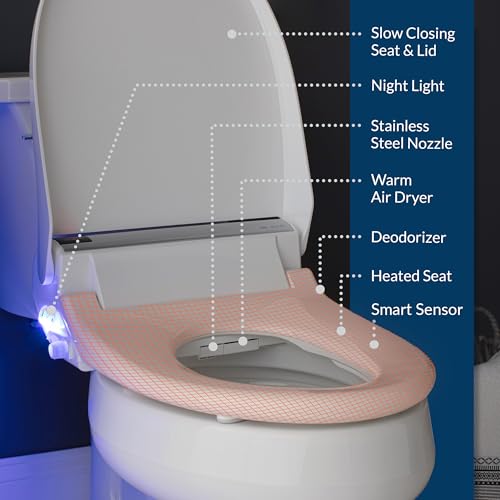
Evaluate value by matching the heating method and feature set to your routine, not by counting features alone: continuous warm water, heated seat, air dryer, deodorizer, remote, night light, and self-cleaning nozzle may be worthwhile for daily use, but unnecessary complexity can add failure points. Include the hidden costs of adding an outlet, replacing supply lines, buying adapters, or hiring help, especially if your bathroom is far from a sink hot-water line or lacks power near the toilet. Owner feedback suggests many shoppers feel heated bidets are worth it when they deliver reliable comfort, effective cleaning, included installation parts, adjustable pressure, and lower toilet-paper use, with sturdier models often feeling like a better long-term upgrade than flimsy attachments.
1,000,000+ shoppers use Buyer's Guide every week to find the best products and services online.

Helping millions of users make smarter purchases online.


