Our Top Choice
Why These Features Matter:
A beach umbrella is less “cute accessory” and more portable architecture. It’s the thing standing between a pleasant afternoon and a slow-roast situation involving sand in places sand shouldn’t be. And unlike patio umbrellas, beach umbrellas have to earn their keep: dragged across parking lots, shoved into overstuffed trunks, planted into sand that behaves like a liquid, then asked to stay upright while the wind tries to turn it into a kite.
The best beach umbrellas aren’t the ones with the most breathless product names. They’re the ones that go up fast, stay put, don’t rattle like a shopping cart in a crosswind, and pack down without becoming a long-term relationship with a tangled strap.
What Actually Makes a Beach Umbrella “Good”
A good umbrella is boring in the best way: you don’t think about it after it’s up. The shade is generous, the tilt works without drama, and the whole setup doesn’t require a seminar in leverage. It also looks decent in photos, because yes, beach days are relaxing, but they’re also documentation.
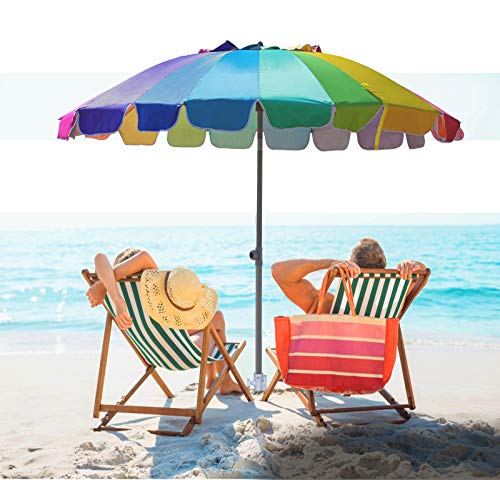
- Shade that’s truly usable: Not just for a single head and a tote bag. The sweet spot is an umbrella that can cover two adults sitting low (chairs or towels) without constant micro-adjustments.
- Stability that isn’t theoretical: Wind happens. Kids happen. People trip over things. A good umbrella doesn’t collapse the second someone walks by holding an iced coffee.
- Mechanics that don’t punish you: Smooth open/close, a tilt that doesn’t require wrestling, and a pole that doesn’t pinch fingers or jam with sand.
Size: The Shade-to-Annoyance Ratio
Bigger isn’t always better—at least not if the umbrella becomes a sail. The ideal size depends on how the beach day is actually structured: one person reading versus two people rotating in and out of shade with snacks, sunscreen, and a damp toddler who refuses hats on principle.
- Medium-large can be perfect: Enough coverage for two people and a bag, without turning into a wind-capture device.
- Very large works… if you have a solid anchor: Otherwise it’s a constant “hold it while I—” situation.
- Small is fine for solo minimalists: But it rarely protects legs and shoulders at the same time unless you’re committed to chasing the sun like it owes you money.
Fabric: You Want Quiet Shade, Not a Flappy Argument
Umbrella fabric can be the difference between calm and chaos. Some canopies are taut and hush the wind; others announce every gust like a bedsheet on a clothesline. Look for fabric that feels substantial and tightly woven—something that doesn’t sound like it’s trying to escape.
- Thicker, more structured canopies tend to flap less: They also look less crumpled in photos and don’t sag into your personal space.
- Ventilation matters: A well-designed vent (or double-vent) can reduce lift and make the umbrella feel calmer when the wind picks up.
- Color isn’t just aesthetic: Darker shades feel moodier and can look chic, but they can also feel warmer underneath. Lighter colors feel breezier but show sunscreen smudges and snack fingerprints faster.
The Anchor Situation: The Whole Point, Honestly
The beach umbrella story is mostly an anchor story. The canopy can be gorgeous; if the base is flimsy, it’s still going to end the day in a slow-motion tumble toward someone else’s picnic.
- Screw-style sand anchors are the least annoying: They bite into sand efficiently and usually feel more secure than a plain spike. The good ones twist in without feeling like you’re drilling for oil.
- Built-in anchors beat separate pieces: Separate anchors have a way of disappearing into the trunk like missing socks.
- Sandbags can work, but they’re a ritual: Filling them is never as tidy as imagined, and emptying them can involve a gritty rainstorm in the car if you’re not careful.
Small truth: Even a great anchor can lose a fight to truly chaotic wind. If the forecast looks spicy, a lower profile setup (or a wind shelter) can be the more dignified option.
Tilt and Adjustability: The Feature That Saves Your Neck
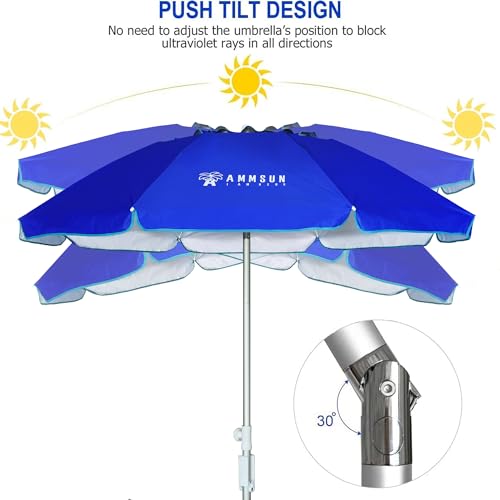
The sun moves; the umbrella should cooperate. Tilt is essential, but the way it tilts matters. The best systems adjust cleanly and hold their position. The worst ones slip, sag, or require a complicated button-and-pray maneuver.
- Easy tilt beats fancy tilt: A simple, secure hinge you can adjust with sandy hands is more valuable than an elaborate mechanism that jams the second it gets grit in it.
- Height adjustability is underrated: Too low and you’re hunched; too high and you’re chasing shade. The sweet spot lets you sit comfortably without the canopy hovering inches above your head like a looming hat.
Wind Behavior: How It Fails Matters
Every umbrella has a breaking point. What matters is whether it fails gently (a manageable wobble, a slight shift) or aggressively (a sudden inversion, a pole that yanks loose, a canopy that snaps like it’s auditioning for a disaster movie).
- Vents help, but design is everything: A vent that’s too small is mostly decorative. A well-designed vent releases pressure instead of trapping it.
- Flexible ribs can be your friend: Some give in the structure can prevent catastrophic snapping. Too much flex, though, can feel jittery and loud.
- A stable pole connection is non-negotiable: If the pole sections wobble or rattle, it’s not just annoying—it’s a durability red flag.
Portability: The Walk From the Car Is the Real Test
Beach umbrellas are often described as “portable” by people who apparently have never walked half a mile over dunes with a cooler, two towels, and a child who suddenly cannot carry anything because the sand is “attacking.”
- Weight matters, but so does balance: A slightly heavier umbrella with a good carry strap can feel easier than a lighter one that swings awkwardly and bonks knees.
- Carry cases should actually work: Zippers that snag, straps that cut into shoulders, and cases that only fit if you roll the umbrella with the precision of a sushi chef are daily-life annoyances.
- Look for a case with structure: Flimsy sleeves collapse into themselves, which is how sand ends up living in your trunk indefinitely.
Setup and Breakdown: Sandy Hands, Minimal Patience
Any umbrella can feel easy in a living room. The beach adds wind, glare, sand in the hinge, and a group waiting for shade like it’s a reservation. The best umbrellas set up quickly and come down without a fight.
- Simple mechanisms win: Push-button releases are great until they stick; twist locks are great until they seize with sand. The most reliable designs tend to be the least fussy.
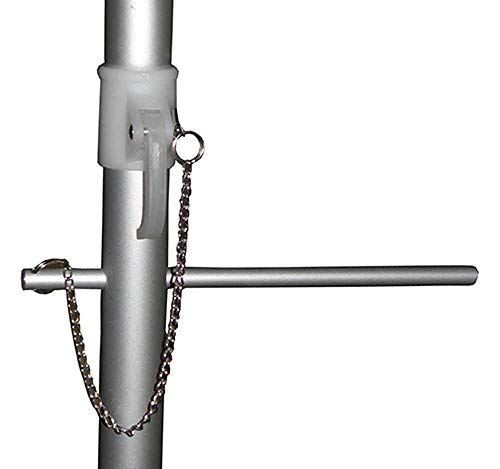
- Fewer loose parts means fewer missing parts: Separate pins and tiny clips belong to the same universe as lone earbuds and extra stroller wheels: gone.
- Breakdown should be quiet: The good ones fold without loud snapping or that alarming “is this about to break?” sound.
Materials and Durability: The Things That Crack First
Beach gear fails in predictable places: joints, hinges, and any plastic part that’s been baked, salted, and stepped on. The umbrellas that last usually have sturdier connections and fewer brittle bits.
- Poles that feel solid at the joints: Wobble is the enemy. It becomes noise, then stress, then eventual failure.
- Hardware that tolerates salt: Corrosion sneaks up fast. If metal parts look cheap out of the box, they’ll look tragic by August.
- Canopy stitching matters more than you think: Wind tugs at seams. Reinforced edges and clean stitching translate to fewer mid-season tears.
Design Details That Make Life Better
These are the little things that separate a decent umbrella from the one people insist on borrowing.
- Interior pockets: A place for sunglasses, lip balm, and keys is surprisingly useful—especially if you don’t love burying valuables in the sand and pretending it’s secure.
- A canopy that doesn’t droop: Droop steals shade and creates that slightly claustrophobic feeling of sitting under a tent that’s giving up.
- A secure tie for packing up: The difference between a tidy bundle and a chaotic, flailing fabric situation.
Things to Know (So You Don’t Hate It Later)
- There is no umbrella that ignores physics: Wind plus a tall canopy will always be a negotiation. The goal is “manageable,” not “invincible.”
- Great anchors still require good technique: Twist in deep, pack sand firmly, and don’t be shy about re-seating if it starts to lean. Lean becomes launch.
- Storage is half the battle: If it doesn’t fit nicely in your closet or trunk, it will become a seasonal hallway obstacle that collects sand like a hobby.
Quick Guidance: Picking the Right One for Your Kind of Beach Day
- For regular beach-goers: Prioritize a strong anchor system and a canopy that behaves in wind. Convenience features (pockets, easy tilt) start to matter a lot after the third trip.
- For occasional, “two weekends a summer” people: Go for straightforward setup and a good carry case. A slightly smaller size can feel less irritating and still provide real shade.
- For families: Bigger shade helps, but only if the anchor is excellent. Also: a durable carry case and easy breakdown matter, because leaving the beach is already a logistical opera.
The Honest Bottom Line
The best beach umbrella is the one that disappears into the background: steady, quiet, and not constantly demanding attention. Look for a sensible size, a canopy that doesn’t flap like a flag, a tilt that works without drama, and—most importantly—an anchor system that treats wind as a real threat, not a hypothetical.
Everything else is garnish. Nice garnish, sometimes. But still garnish.