


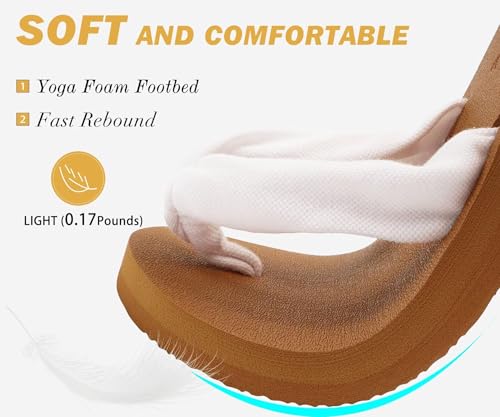





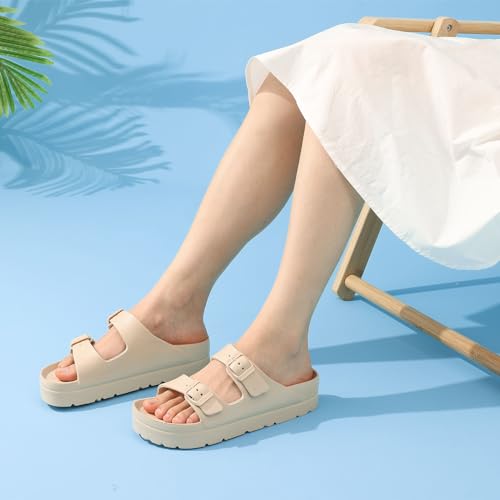


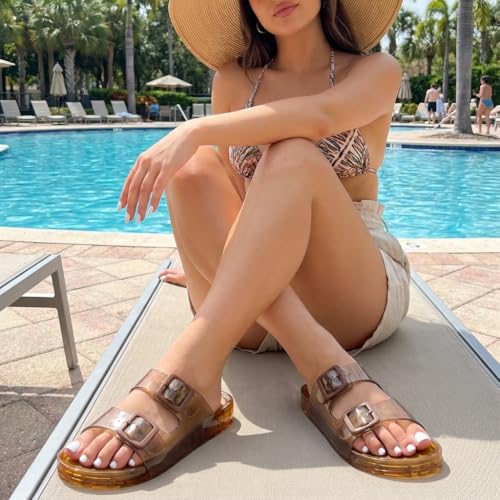


We also considered 10 others:


Our Top Choice
The order above is not editorial opinion, and it is not paid placement. It comes from what shoppers across our network actually do - which beach shoes they compare, and which they ultimately buy. We re-rank as new data comes in, so the long-term favorites have to keep earning their spot against new entrants. The full method, including how we make money.
Beach Shoes Buyer's Guide
Beach shoes sit between water gear and everyday summer footwear: the same pair may need to handle wet traction, sand, quick rinsing, and still feel comfortable on boardwalks or errands. The sharpest tradeoff is usually between easy slip-on comfort and secure, water-safe construction that will not rub, slide, or fall apart after repeated beach use.
Wet Readiness
Beach shoes have to work on slick tile, wet boardwalks, loose sand, and sometimes rocky entries. Drainage and drying matter because trapped water adds weight, causes rubbing, and can make the shoe unpleasant after leaving the beach.
For true beach use, prioritize a textured or siped rubber-style outsole, drainage channels or water-shedding uppers, and materials that do not stay soggy after a rinse. Avoid smooth foam bottoms for algae-covered steps, pool decks, boat ramps, or wet bathrooms; they may feel soft but can slide when the surface turns slick. If the trip includes rocks, shells, rivers, or tide pools, a closed-toe water shoe or protected toe is safer than an open slide; for pools and showers, a quick slip-on can be more convenient. Owner feedback supports this split: waterproof designs are praised for pool, beach, shower, and summer wear, and some water-oriented pairs are used beyond the water for workouts, errands, and daily wear, though durability around water is not equally consistent across all pairs.
Foot Support
Beach days often involve more walking than expected, from parking lots and boardwalks to packed sand and sightseeing. A supportive footbed can prevent the sore, tired feeling that flat flip-flops often cause after hours of wear.
Look for a footbed with enough cushioning under the heel and forefoot, a molded arch that matches your support needs, and ideally a heel cup or contoured shape that keeps the foot from sliding around. Flat, thin flip-flops are fine for a quick shower or locker room but are a poor choice for long boardwalk walks, theme-park-style vacation days, or carrying beach gear. If you prefer barefoot-style shoes, make sure you actually want a flexible, low-cushion feel rather than expecting plush arch support. Owner sentiment strongly favors shoes that feel cushioned, soft, and comfortable for hours, with arch support repeatedly tied to all-day comfort; the caution is that arch support is mixed for some buyers and may not satisfy higher-support needs.
Secure Fit
A beach shoe that fits loosely can rub, float, or pull off in surf, while one that is too tight can blister once feet swell in heat. Fit security is especially important because sand and water reduce friction between the foot and the shoe.
Choose the closure style for the setting: adjustable straps or a heel/ankle strap are better for waves, rocky entries, boating, or long walks, while open slides are best for poolside lounging, showers, and easy on-off travel. Check whether the toe box suits your foot width, whether buckles or straps can be fine-tuned, and whether the heel sits securely without overhanging the footbed. Be cautious with shoes sold only in whole sizes, because beach shoes that are even slightly short can rub toes or let the heel spill off the back. Owners often report true-to-size comfort and praise adjustable straps, deep heel cups, and supportive footbeds, but fit is one of the most variable areas, with some pairs needing a half-size change or sizing up.
Material Durability
Salt, sand, heat, and repeated rinsing are harder on beach footwear than normal casual wear. Straps, glued seams, and soft foam soles are common failure points when shoes are used heavily around water.
For frequent beach use, favor molded EVA, rubber, neoprene, mesh, or other water-tolerant materials with reinforced strap anchors and a sole that resists abrasion from pavement, shells, and rough pool decks. Avoid absorbent suede, leather-like finishes, or delicate decorative uppers if the shoe will be submerged often; those can be fine for dry boardwalk outfits but are not ideal as primary water shoes. Also consider weight when wet: a heavier slide may feel secure, but it can become tiring to pack or walk in for long stretches. Owner reports describe many shoes as well made for casual summer use, but durability is the main uncertainty, with some buyers finding pairs sturdy and others reporting tearing, variable strap security, or limited life under heavy daily wear.
Style Range
Many shoppers want one pair that can move from sand to errands, lunch, travel days, or casual outfits. The right style depends on whether the shoe needs to look like beach gear, a sandal, or a normal everyday shoe.
Match the look to the itinerary: sport water shoes are best for active water days, polished slides or sandals work better for resorts and casual meals, and neutral sneaker-like water shoes are useful when you want protection without looking pool-only. Neutral colors, low-profile soles, and non-bulky uppers make a pair easier to wear with summer outfits, while shiny or decorative finishes may look better but should still be judged for wet traction and cleanability. Slip-on designs are convenient for travel, security lines, and pool use, but should not replace a secure shoe for surf or rough ground. Owner feedback repeatedly praises cute, neutral, and versatile designs that work with summer outfits, dresses, errands, and daily wear; lightweight casual shoes are also appreciated when they do not feel limited to the beach.
Use Value
The best value in beach shoes comes from matching construction to how often and where they will be worn. A pair used only for showers has different requirements than one expected to handle vacation walking, water sports, and everyday summer use.
Before choosing, decide whether you need a disposable-feeling shower slide, a cushioned walking sandal, a protective water shoe, or a style-forward summer sandal. Do not judge value by softness alone: for beach use, the better buy is the shoe that combines appropriate traction, fit security, water-safe materials, and enough comfort for the actual walking distance. If you plan heavy daily wear, prioritize stronger straps and soles over purely trendy looks; if use is occasional, comfort and easy cleaning may matter more. Owner sentiment often says comfort, construction, and appearance feel better than expected for the money, especially compared with flatter or more basic flip-flops, but mixed durability reports show why expected use should guide the choice.
1,000,000+ shoppers use Buyer's Guide every week to find the best products and services online.

Helping millions of users make smarter purchases online.


