












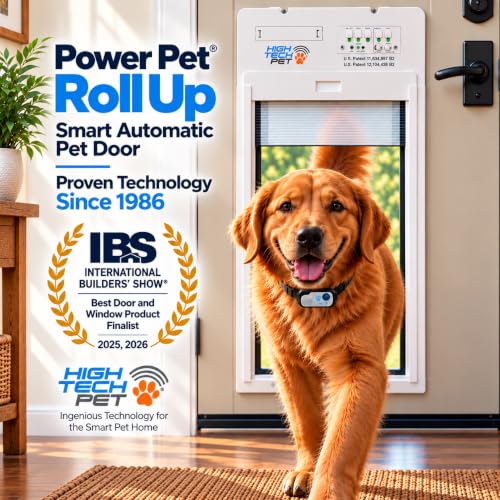


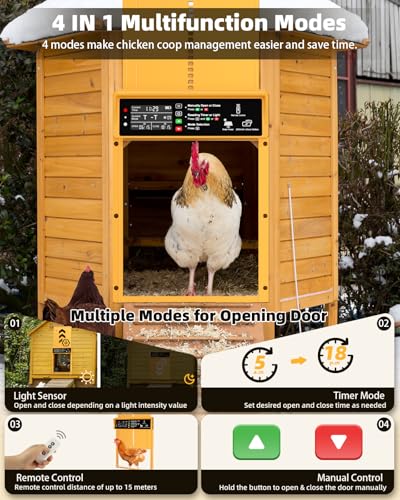
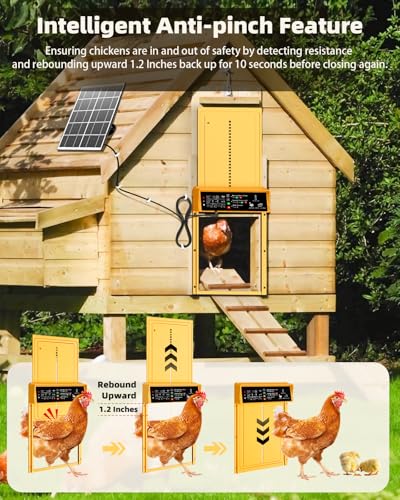


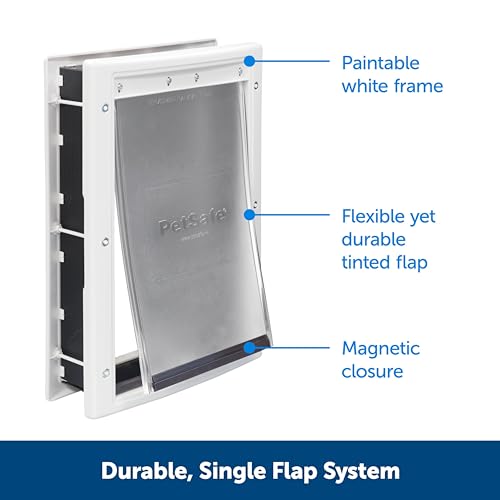


We also considered 10 others:


Our Top Choice
The order above is not editorial opinion, and it is not paid placement. It comes from what shoppers across our network actually do - which automatic pet doors they compare, and which they ultimately buy. We re-rank as new data comes in, so the long-term favorites have to keep earning their spot against new entrants. The full method, including how we make money.
Automatic Pet Doors Buyer's Guide
Automatic pet doors have to balance freedom for the right pet with real control over every other animal that might try to pass through. The sharpest buying concerns are selective access that works reliably in your exact multi-pet setup, and a lock, sensor, power system, and installation fit that do not fail after the novelty wears off.
Selective Access
Automatic pet doors are bought for controlled freedom, not just for making a hole in the door. The best choice depends on whether you need to keep out strays and wildlife, keep indoor-only pets inside, or give different pets different permissions.
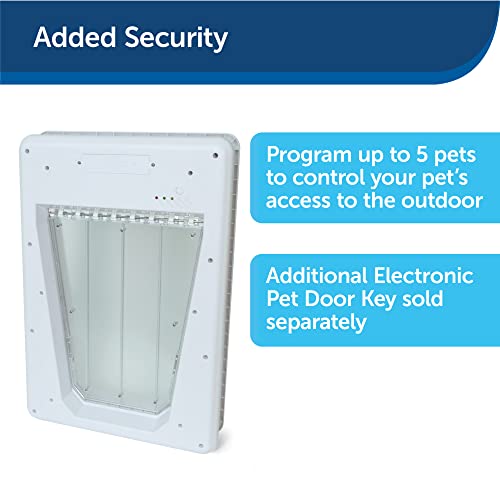
Start by matching the access method to the household: collar/tag systems are often easier to assign per pet, while microchip systems avoid an added tag but may have direction or recognition limits. If you have indoor-only cats plus dogs, multiple cats with different rules, or outside animals visiting the property, look for true programmable entry and exit control, not just one-way filtering or a simple electronic unlock. Also check whether extra keys or collars can be registered reliably, because multi-pet homes are where selective access often gets complicated. Owner feedback supports this priority: collar-operated doors are praised for feeling safer than basic flaps because they help keep out strays and unwanted access, and electronic access can give dogs independence while limiting cats and outside critters. At the same time, owners report hit-or-miss chip or tag detection, disappointing one-direction filtering for multi-cat management, and inconsistent extra collars in more complex setups.
Lock Reliability
The sensor and lock are the parts that turn an automatic pet door from convenient to frustrating. If recognition is slow, the latch jams, or the panel fails to close, the door can either trap a pet, let in the wrong animal, or stop being used as intended.
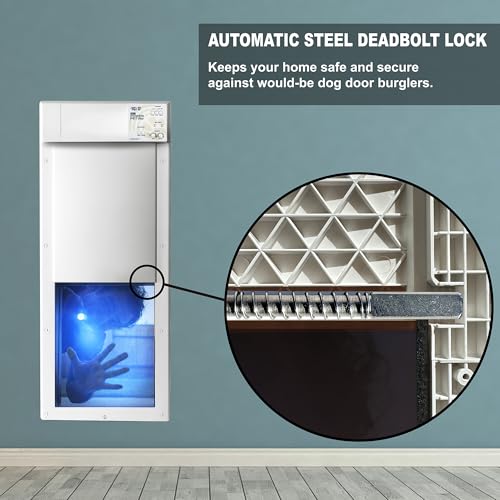
Prioritize a door with fast, consistent recognition at the pet’s normal approach angle, a latch that positively engages after each pass, and a clear manual override for when electronics misbehave. For safety, check the failure behavior: whether it defaults locked, unlocked, or manual during low power, sensor errors, or connectivity loss. Avoid designs where the pet must push far into the opening before the lock releases if your animal is timid, small, elderly, or likely to back away at a click. Owner sentiment makes this a major watch-out: dropped connectivity and latch jams can undermine remote selective access, and closing or locking mechanisms may stop closing properly under wind or repeated use. Reliability is described as split, with some doors working for years while others start well and then fail with error lights, sensor problems, slow collar recognition, or inconsistent unlocking.
Fit & Install
Automatic pet doors are less forgiving than simple flaps because the frame, sensor zone, tunnel depth, and lock alignment all have to work together. A good fit affects weather sealing, pet comfort, and whether the door reads the pet before the animal hesitates.
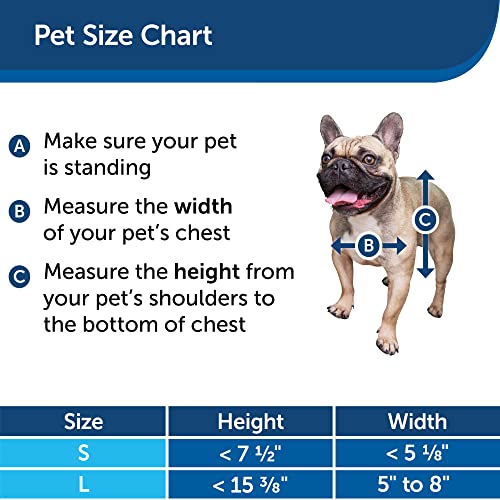
Measure the pet’s shoulder width, chest depth, and step-over height, then compare those measurements to the usable opening rather than the outer frame. Check the exact mounting surface before buying: flat exterior doors, metal doors, walls, windows, barns, and outbuildings can each require different tunnels, trims, adapters, or reinforcement. Plan around raised panels, glass inserts, studs, siding, and the swing path of the moving panel, because a slightly wrong placement can make the sensor area awkward or the opening feel too tight. Owners often praise automatic doors that are straightforward to install and customizable for a better fit, including real outbuilding, barn, window, and metal-door setups. However, installation experiences vary, and wall or door installations can add hassle, size concerns, and extra work when the layout is not planned carefully.
Power & Smart
Electronics add control, but they also add maintenance. A careful buyer should know how the door is powered, how long the pet key or door batteries last, and whether basic access still works when wireless features fail.
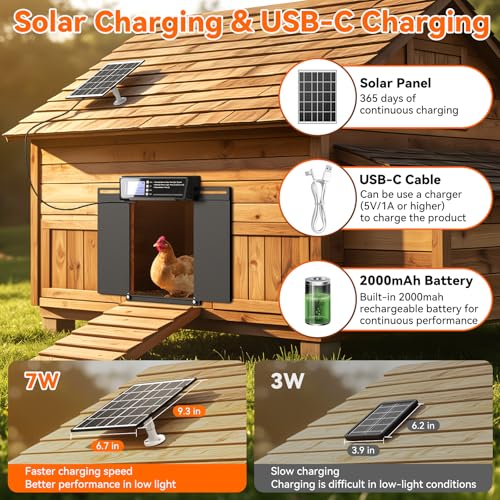
Look for low-battery warnings on both the door and the pet-worn key, easy battery access, and a clear answer for what happens during an outage or depleted battery. If the door has app or Wi-Fi functions, make sure core entry and exit rules are stored locally so a dropped connection does not disable everyday access. Remote locking is useful only if the physical latch remains dependable, so do not treat smart control as a substitute for a strong local mechanism. Owner feedback flags this area as a common frustration: battery life and electronic upkeep are repeated concerns, and dropped Wi-Fi can compromise remote selective access. Some owners find smart features convenient when they work, while others report uneven reliability or end up bypassing the intended locking behavior.
Pet Acceptance
A door can be technically functional and still fail if the pet will not use it. Opening force, lock sound, panel movement, and the timing of the unlock all matter more for cautious cats, small pets, and animals new to pet doors.
For hesitant pets, choose a model with a training mode, quiet unlock, smooth panel movement, and enough opening height that the animal does not have to crouch or shove hard. Cats in particular may reject a door if they must press deeply before it unlocks or if the latch click happens right as they approach, so check reviews for acceptance by similarly sized and similarly cautious animals. A transparent or familiar-feeling flap can help some pets, but the most important factor is that the sensor triggers before the pet loses confidence. Owners report that day-to-day convenience can be excellent once the cat accepts the door, especially when it prevents pets from being locked out. They also flag audible clicks, loud operation, sizing, and push-in distance as reasons sensitive pets may struggle.
Weather Durability
Automatic pet doors live in a harsh spot: they are repeatedly struck, exposed to wind and moisture, and expected to keep sealing after thousands of cycles. Long-term value depends on the frame, moving panel, latch, seals, and pet-worn keys holding up together.
Choose weather-rated construction with a rigid frame, replaceable seals or panels, corrosion-resistant hardware, and a closing design that resists wind gusts. If the pet wears a collar key, check whether replacement collars or tags are easy to obtain and whether the housing looks protected from chewing, rain, mud, and impact. Also look for accessible replacement parts for the latch and moving panel, because these are common wear points in a door that cycles many times a day. Owner sentiment shows why this matters: some automatic doors earn strong loyalty for years of dependable use across moves and harsh weather, but long-term durability is also a major watch-out. Reports include worn components, collar-related concerns, and closing or locking mechanisms that fail to keep working properly after repeated use or wind exposure.
1,000,000+ shoppers use Buyer's Guide every week to find the best products and services online.

Helping millions of users make smarter purchases online.


