


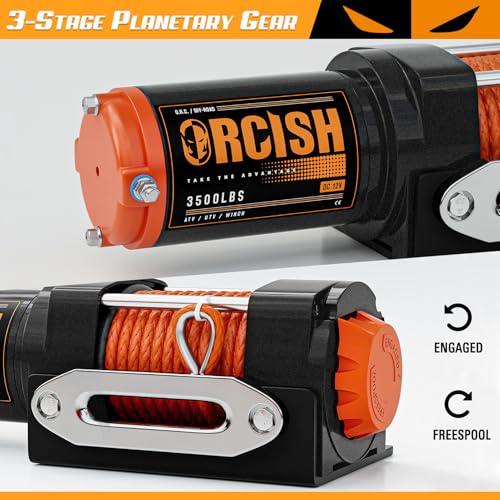







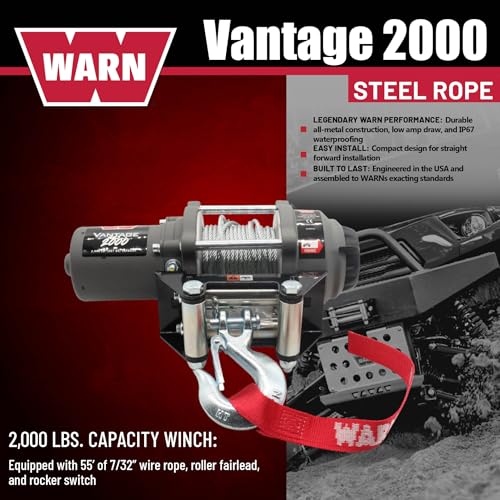




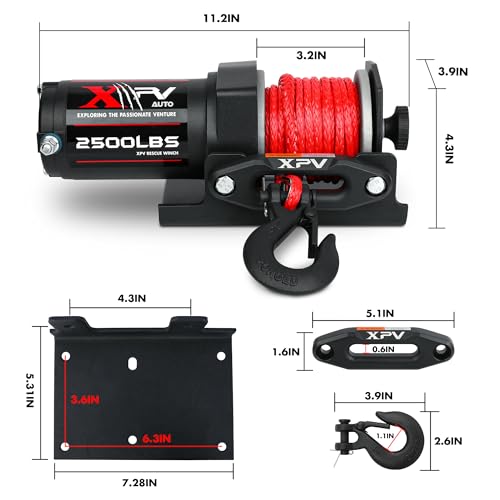

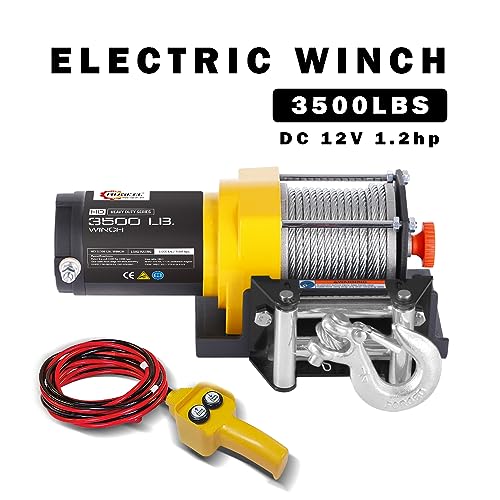


We also considered 10 others:


Our Top Choice
The order above is not editorial opinion, and it is not paid placement. It comes from what shoppers across our network actually do - which atv winches they compare, and which they ultimately buy. We re-rank as new data comes in, so the long-term favorites have to keep earning their spot against new entrants. The full method, including how we make money.
ATV Winches Buyer's Guide
An ATV winch has to be small enough to fit a cramped front rack or frame area, yet strong enough for real recovery, plow lifting, ramp loading, and trail chores without overheating or tearing up the mounting point. The biggest mistakes are buying by rated pull alone, ignoring vehicle-specific mounting and wiring length, or trusting a remote and rope setup that is not reliable when the machine is stuck.
Pulling Power
Rated pull is only useful if the winch can deliver controlled force in the jobs an ATV actually sees: plow cycles, mud recovery, loading, and dragging logs or game. A winch that is adequate for ramp pulling may not be the right choice for repeated hard recoveries, especially when line angle, battery condition, and cable wraps reduce effective pull.
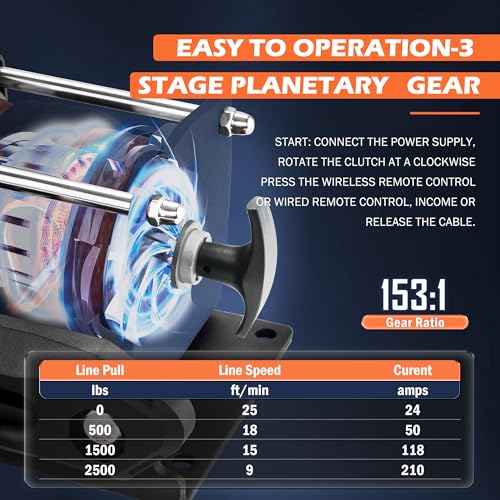
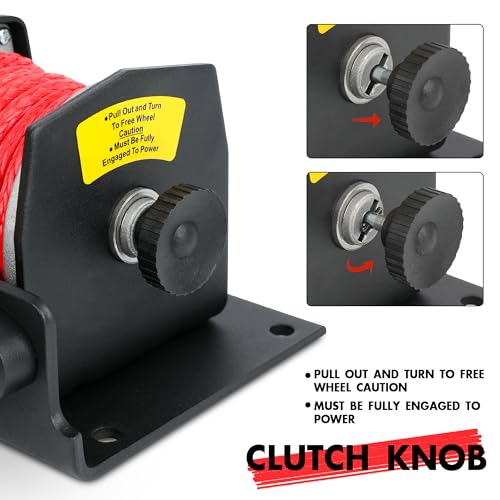
Match the winch to the heaviest job, not just the machine weight: light-duty ATV and ramp work can use a lower-capacity unit, while mud recovery, steep pulls, plow duty, and dragging logs need more reserve, a proper snatch block option, and a mount rated for the load. Look for a clear line-pull rating, a reliable free-spool clutch, enough drum capacity for useful working length, and avoid counting on the last cable layer for maximum force. Owner reports strongly support this dimension: buyers praise winches that handle ATV recovery, plow work, ramp loading, logs, deer, kayaks, and even vehicle-loading tasks, with several describing the pull as strong and dependable in practical use.
Mounting Fit
ATV winches often fail as a purchase because the winch is capable but the install does not fit the vehicle cleanly. Tight frame spaces, fairlead position, bolt pattern, and power-lead routing can turn an otherwise good kit into a frustrating or unsafe setup.
Choose a winch only after confirming the bolt pattern, fairlead location, and a vehicle-specific mounting plate for your ATV or SXS; the included universal bracket should be treated as a starting point, not a guarantee. Check whether the winch body clears suspension, bumper plastics, plow brackets, and radiator airflow, and verify that the power leads can reach the battery without stretching across hot or moving parts. Owners often describe installation and setup as straightforward or plug-and-play when the right mounting setup is used, but they also report tight ATV spaces, short leads, limited mounting options, and weak instructions that make wiring and troubleshooting harder.
Controls
Controls matter because winching is often done while standing away from the machine, watching the line angle, or operating a plow repeatedly. A reliable switch, remote, solenoid, and wiring layout make the winch safer and easier to use under stress.
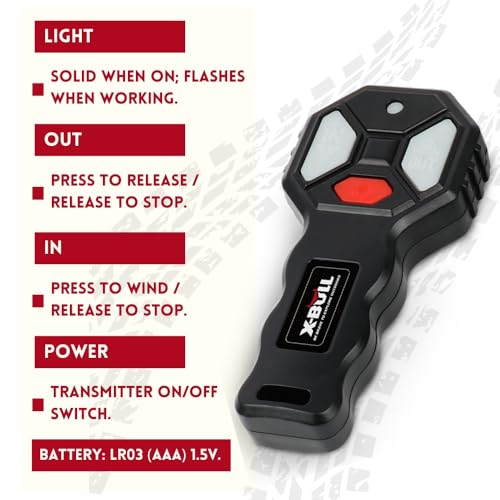
Look for both a handlebar or dash-mounted control and a remote option, with weather-resistant connectors, a protected solenoid location, and enough cable length to route neatly to the battery. For recovery, the remote should let you stand clear of the line path; for plowing, the fixed switch should be comfortable for repeated in/out cycles. Owner sentiment supports wireless control as a major convenience when it works, with buyers saying it makes the winch easy to operate from a distance, though some report finicky setup, unclear wiring diagrams, and installations constrained by short power leads.
Line Hardware
The line, hook, fairlead, and protective sleeve determine how safely the winch transfers force to the load. Even a strong motor is limited by a weak rope, poor fairlead alignment, or abrasion where the line contacts rocks, ramps, or plow hardware.
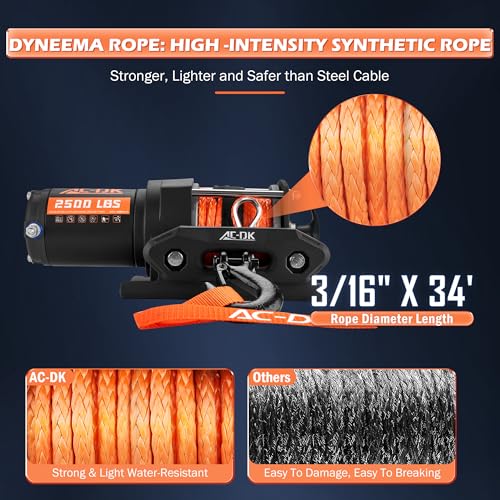
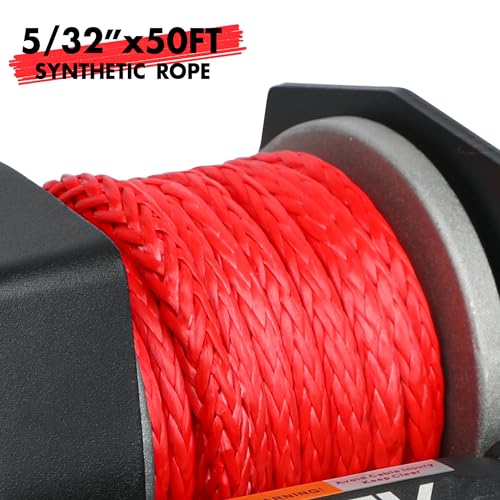
Inspect whether the winch uses synthetic rope or steel cable and match it to your use: synthetic is easier to handle and safer when maintained, while steel tolerates abrasion but stores more energy and can develop burrs. Look for a fairlead matched to the line type, a secure hook with latch, a usable protective sleeve, and clean drum spooling; avoid setups where the line rubs the mount or bumper at common pull angles. Owner feedback is more cautious here: the included rope and protective sleeve receive some criticism, though most comments still frame them as usable rather than immediate deal-breakers, and broader build-quality impressions are generally positive when the hardware feels solid.
Trail Durability
ATV winches live in mud, vibration, freezing weather, wash water, and repeated shock loads. Durability is not just the motor housing; it includes the geartrain, seals, wiring, contactor, clutch, and how well the unit survives a season of real use.
Prioritize sealed electrical components, a protected contactor, sturdy terminals, corrosion-resistant hardware, and a clutch lever that can still be operated with gloves and mud on it. If you plow or recover often, avoid units with vague duty-cycle expectations, flimsy wiring, or housings that leave connectors exposed to spray and vibration. Owners frequently describe solid-feeling motors, wiring components, and overall build quality, but durability is also the key watch-out: some report early failures, wiring problems under trail use, or parts failing after limited use or a season of heavier work.
Use-Case Value
The best ATV winch is not always the biggest one; it is the one whose capacity, kit contents, and durability match the jobs it will actually do. Light-duty chores, ramp loading, and occasional recovery have different needs than repeated hard pulls or heavy plow use.
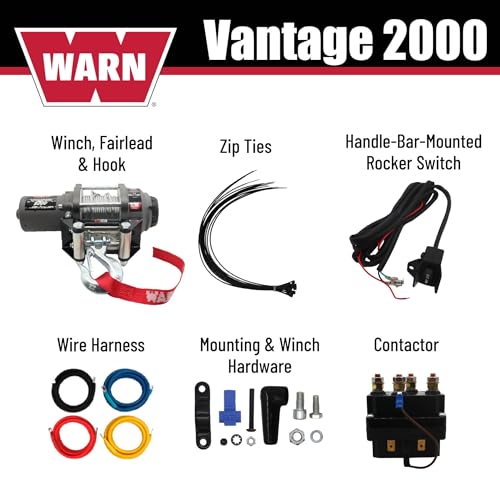
Decide first whether the winch is for occasional utility pulls, regular plow lifting, or serious self-recovery, then judge whether the kit includes the controls, wiring, fairlead, hook, and mounting hardware you would otherwise need to source separately. A lighter-duty unit can be the right buy for ramps, small loads, and occasional ATV chores, but it is false economy if the job really requires heavier recovery hardware or a more robust mount. Owners often see strong value when the winch is used for light-duty ATV, SXS, truck-bed, and ramp-pulling jobs, and several say complete kits and solid included hardware help them get started; the positive value sentiment is strongest when expectations match the workload.
1,000,000+ shoppers use Buyer's Guide every week to find the best products and services online.

Helping millions of users make smarter purchases online.


