













We also considered 10 others:


Our Top Choice
The order above is not editorial opinion, and it is not paid placement. It comes from what shoppers across our network actually do - which at&t cordless phones they compare, and which they ultimately buy. We re-rank as new data comes in, so the long-term favorites have to keep earning their spot against new entrants. The full method, including how we make money.
AT&T Cordless Phones Buyer's Guide
AT&T cordless phones are usually bought to keep a dependable landline simple: easy calling, readable controls, and handsets that stay charged around the home. The sharp tradeoff is between no-fuss accessibility and extra features like call blocking or Bluetooth, which are useful only if they remain easy to set up and reliable in daily use.
Readable Controls
Cordless landline phones are often bought for reliability and accessibility rather than novelty. If the keypad, screen, and menus are hard to see or interpret, even a technically capable phone becomes frustrating for daily calling, caller ID checks, and saved-number dialing.
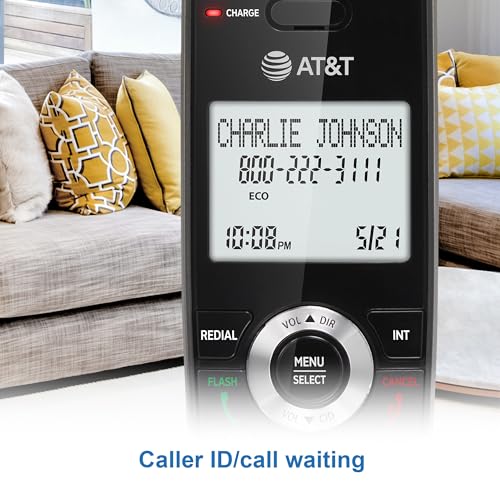
Start by matching the phone to the people who will actually use it: look for oversized, high-contrast number keys, a backlit screen, large caller ID text, and a handset shape that is easy to grip without pressing side buttons by accident. For seniors or anyone replacing an old landline, avoid models where directory entry, menu labels, or voicemail indicators depend on tiny icons or deep menu steps. Owner sentiment strongly supports this priority: buyers repeatedly value big buttons, a readable display, large numbers, and uncomplicated everyday operation, especially for people who struggle with smaller keypads.
Easy Setup
A cordless phone may seem simple until you need to pair extra handsets, enter contacts, set voicemail access, or adjust ringers. Clear setup steps matter because many buyers in this category want a dependable household phone that works without ongoing technical attention.
For an AT&T cordless phone setup, prioritize a simple base-and-handset pairing process, automatic date and time loading when available, and a directory system that is easy to program from the handset you will use most. If you plan to enter many contacts, check whether names and numbers can be saved, edited, and shared across handsets without repeating the work on every unit. Owners often find basic setup straightforward and appreciate automatic date/time handling, but some report frustration with instructions and advanced tasks such as directory entry, so ease should be judged beyond first power-on.
Call Clarity
Cordless phones are judged most harshly when calls are hard to hear, distorted, or inconsistent from room to room. Because homes differ in wall materials, base placement, and interference, audio clarity and usable range are core buying concerns rather than minor specifications.
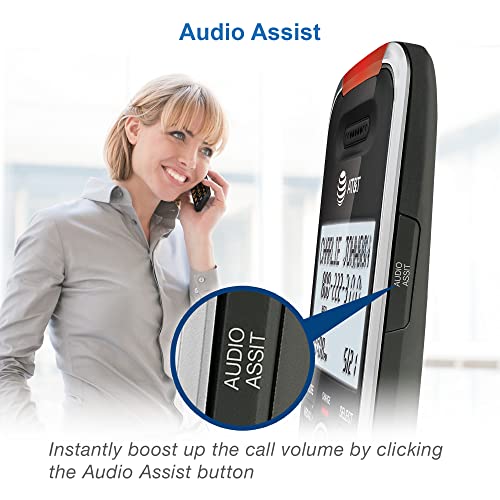
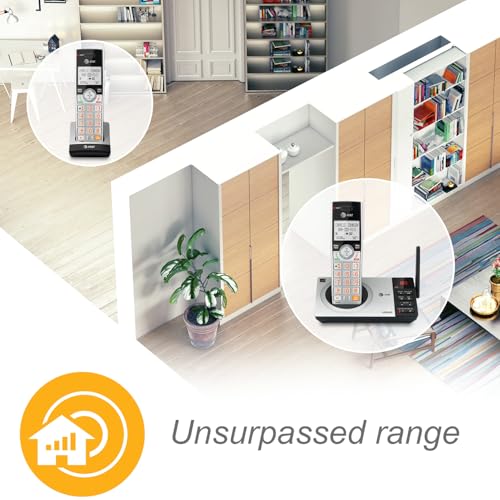
Choose call performance around your home layout: look for clear voice audio, adjustable handset and ringer volume, speakerphone quality if you use hands-free calls, and enough DECT-style range to cover the rooms where the handset will live. For hearing comfort, volume is just as important as clarity; for home offices, low static and stable reception matter more than extra features. Sentiment is mixed but useful here: many owners describe clear calls, no static, and comfortable volume, while others find sound quality more variable, so this is a dimension where careful shoppers should not assume every handset performs the same.
Smart Features
Modern cordless landlines often compete on call screening and cell-phone integration, but these features can be more complicated than basic dialing. A phone that blocks unwanted calls poorly or pairs inconsistently can create more friction than a simpler model with fewer promises.
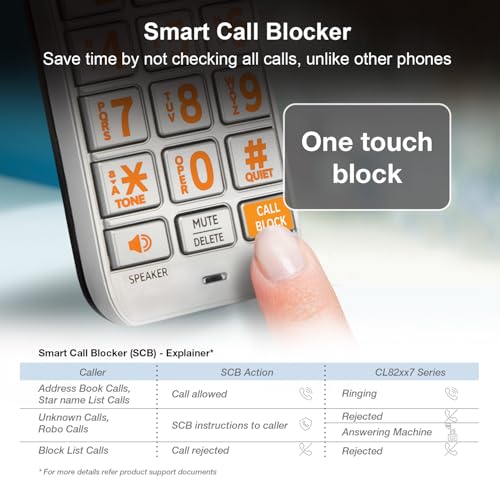
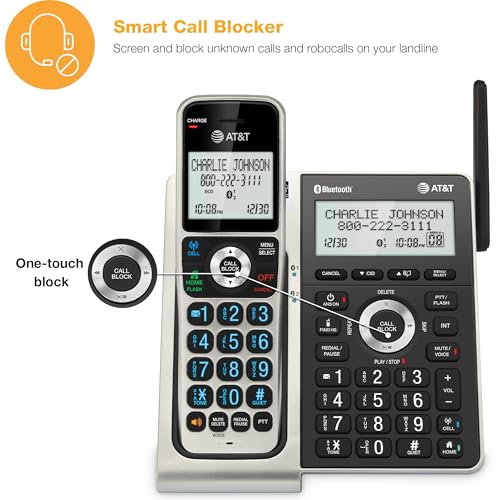
If nuisance calls are a major reason for buying, look for dedicated call-block buttons, a large blocked-number capacity, caller ID compatibility, and clear controls for allowing, blocking, or screening unknown numbers. If you want the cordless handset to work with a mobile phone, confirm Bluetooth cell pairing behavior, how many cell lines can connect, and whether contacts or caller ID transfer cleanly. Owners appreciate call blocking and Bluetooth connection when they work smoothly, but feedback is mixed, so these extras should be treated as convenience features to verify rather than assumed strengths.
Battery Readiness
Cordless phones depend on the handset being charged and ready when a call comes in or an emergency call needs to be made. Battery life, cradle contact, and replacement practicality directly affect long-term usefulness, especially in homes where handsets are left off the base for hours.
Check the battery type, rated talk and standby time, charging cradle design, and whether replacement batteries are easy to source. A good cordless landline should return to the cradle cleanly, hold charge through normal daily use, and recover predictably after power interruptions; loose cradle contact or weak battery life can make a household phone unavailable exactly when needed. Owner feedback points to variability: some buyers report long battery performance, while broader sentiment is not uniformly consistent, making battery and charging design worth comparing closely.
Build Value
A cordless phone is handled, dropped into cradles, passed between rooms, and expected to last for years with little attention. Small physical flaws such as loose covers, unstable bases, or inconsistent charging contact can undermine an otherwise capable landline setup.
For a home or small-office landline, favor sturdy handset plastics, secure battery covers, stable charging bases, and handsets that seat firmly without wobble or poor contact. If you are buying multiple handsets, also consider whether the system feels durable enough for kitchens, bedrooms, desks, and frequent cradle drops. Owners generally see these phones as dependable, good-quality basic landlines and strong value, but build quality and reliability are not perfectly uniform, with some reports of physical fit or durability annoyances.
1,000,000+ shoppers use Buyer's Guide every week to find the best products and services online.

Helping millions of users make smarter purchases online.


