




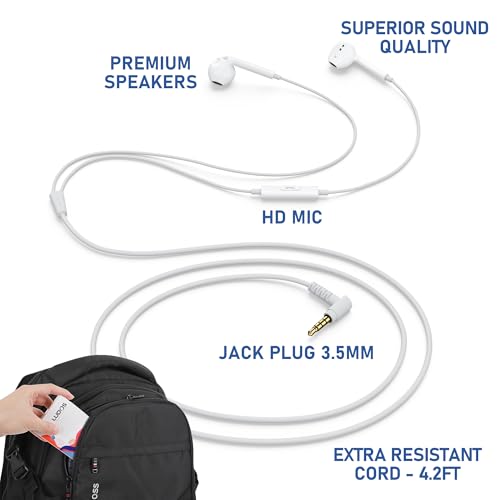

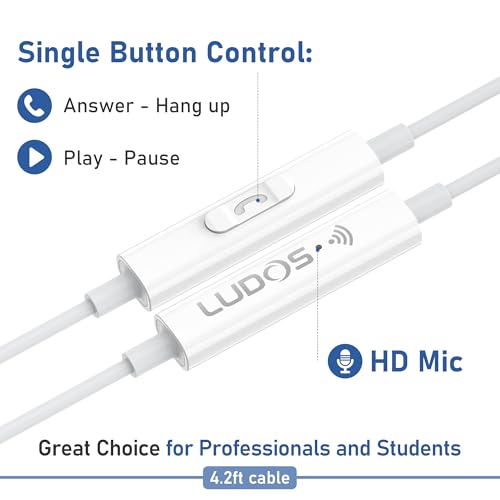
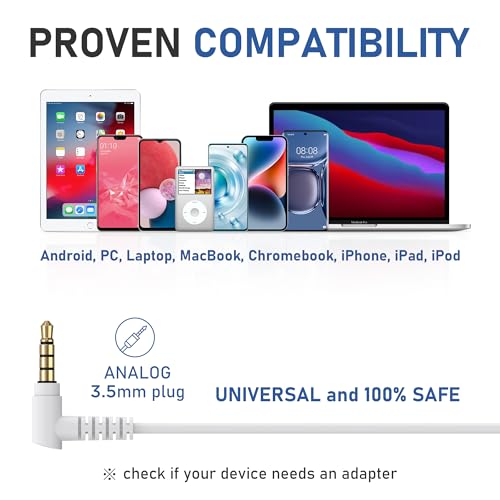


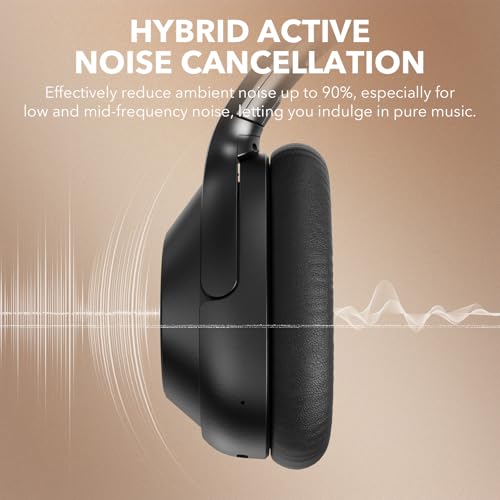




We also considered 10 others:


Our Top Choice
Compare Features


The order above is not editorial opinion, and it is not paid placement. It comes from what shoppers across our network actually do - which airplane headphones they compare, and which they ultimately buy. We re-rank as new data comes in, so the long-term favorites have to keep earning their spot against new entrants. The full method, including how we make money.
Airplane Headphones Buyer's Guide
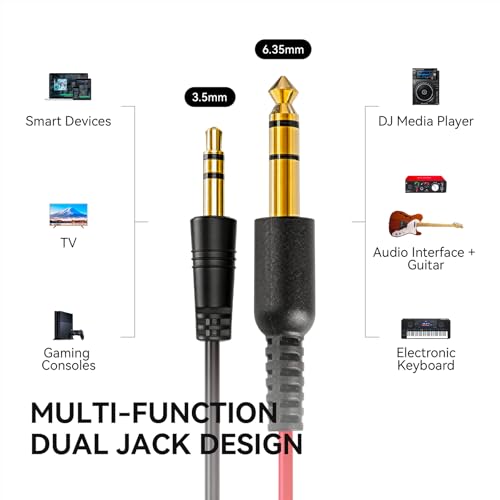
Airplane headphones have to balance cabin-noise control, long-wear comfort, and compatibility with seatback entertainment systems that may still use wired 3.5 mm or dual-prong jacks. The sharpest checks are whether they can work when Bluetooth is unavailable, whether noise reduction targets steady engine rumble without crushing comfort, and whether the battery will outlast delays plus the flight.
Quality
You want headphones that feel solid, fit securely, and keep working well after daily use, not just sound good out of the box. Look for sturdy hinges and headbands, durable cables or ports, replaceable ear pads where possible, and consistent owner feedback about reliability; watch out for fragile plastics, peeling materials, loose joints, or reports of one side failing over time.
For airplane use, prioritize dependable hinges, replaceable or well-padded ear cushions, a sturdy headband, and either a reliable wired mode or a included/compatible airplane adapter; avoid fragile folding joints, loose ports, or controls that are hard to find by touch in a dark cabin. Travel headphones get stuffed into bags, dropped at security, and worn for hours, so durability and simple operation matter more than flashy materials. Owner feedback supports this: buyers often describe budget-friendly options as sturdier and more premium-feeling than expected, dependable for daily use, drops, kids, sweat, and easy phone connection, with battery life and comfort also frequently praised.
Value
Value matters because you want headphones that justify what you spend through sound quality, comfort, durability, features, and everyday usability—not just a low price or a long spec sheet. Look for the mix that fits how you’ll use them, and watch out for paying extra for features you won’t notice or saving money on a pair that feels uncomfortable, fragile, or disappointing over time.
The best value for airplane headphones is not just low cost; it is getting the flight-specific essentials together: useful passive isolation or ANC, comfortable pads, long battery life, and a wired fallback for in-flight entertainment. If you fly often, paying for noise reduction and comfort usually matters more than chasing maximum bass; if you fly rarely, a simple wired pair or multi-pack can be a practical backup. Owner sentiment backs the value case, with many buyers saying affordable wired and wireless options deliver clear, full sound, good volume, solid bass, and better build quality than expected for the money.
Comfort
Comfort matters because headphones that feel fine for a few minutes can become distracting or painful during long listening sessions. Look for a fit that distributes weight evenly, with ear pads or tips that don’t pinch, trap too much heat, or create pressure points. If you’ll use them while commuting, working out, or moving around, make sure they sit securely without needing constant adjustment.
For flights, choose headphones you can tolerate for several continuous hours while wearing glasses, earrings, a neck pillow, or leaning against a headrest; look for soft over-ear cushions, moderate clamp force, low weight, and an adjustable band. Be cautious with bulky earcups that press awkwardly into the seat, tight on-ear designs that create hot spots, or earbuds that fatigue the ear canal before a long-haul flight ends. Owners consistently reinforce comfort as a key strength when padding is soft, the fit is adjustable and lightweight, and the design stays wearable through long sessions; some also note secure ear-hook styles and travel-focused models that remain comfortable while reducing fatigue.
Sound
Sound quality determines how enjoyable and accurate your headphones feel across music, calls, movies, and games. Look for clear detail, balanced bass, mids, and treble, enough volume without distortion, and a sound profile that suits your preferences rather than one that overwhelms everything with bass.
On an airplane, prioritize clear dialogue, intelligible announcements, and enough volume headroom over exaggerated bass, because cabin rumble masks speech and can tempt unsafe listening levels. Look for balanced sound that keeps movies, podcasts, and music clear at moderate volume, and avoid models that sound muddy unless turned up very loud. Owner feedback supports that many affordable options can sound clear, full, punchy, and bass-capable for everyday listening, with buyers often praising strong volume, call clarity, and audio that remains clean at different listening levels.
Noise
Noise cancellation matters if you want to hear your audio clearly without raising the volume in places like planes, offices, gyms, or busy streets. Look for headphones that reduce steady low-frequency noise well while still sounding natural, and watch out for modes that create pressure, hiss, or noticeably change the music. If you need awareness for commuting or conversations, make sure the headphones also offer an easy-to-use transparency or ambient mode.
For airplane cabins, effective noise control means reducing steady low-frequency engine and HVAC rumble first; active noise cancellation is especially useful here, while a good over-ear seal adds passive blocking for voices and cabin activity. Check that ANC can be used in wired mode if you plan to plug into seatback screens, and avoid expecting ANC to erase sudden announcements, crying, or sharp clatter completely. Owner sentiment strongly supports noise cancellation for this niche: buyers report ANC as effective for travel, focus, nearby voices, and steady background noise, with over-ear fit adding isolation and ANC making a noticeable difference during flights and other loud environments.
Battery
Battery life determines how long you can listen between charges, so you’ll want enough runtime for your typical commute, workday, workouts, or travel without constant interruptions. Look at both playback time and charging convenience, including how quickly they top up, whether the case adds extra charges for wireless earbuds, and whether performance drops noticeably when features like noise cancellation are turned on.
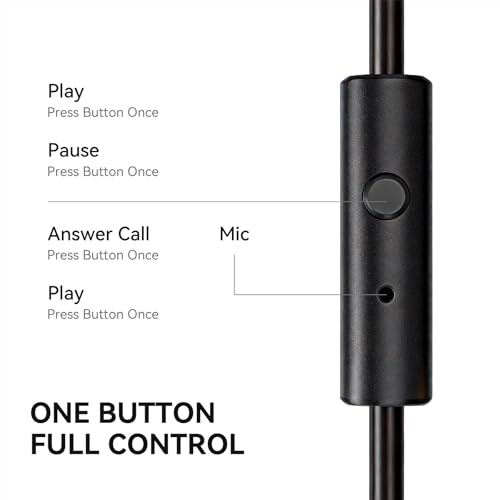
For wireless airplane headphones, battery life should cover the full itinerary, not just the flight: airport time, delays, layovers, the return trip, and possible use while sleeping or working. Look for long rated runtime with ANC on, quick charging, USB-C or a cable you already carry, and a wired passive mode so a dead battery does not make the headphones useless for seatback entertainment. Owners frequently praise long battery life, quick Bluetooth pairing, and easy controls, describing models that last through long workdays, flights, travel, calls, music, and days of regular listening between charges.
1,000,000+ shoppers use Buyer's Guide every week to find the best products and services online.

Helping millions of users make smarter purchases online.


