












Our Top Choice
The order above is not editorial opinion, and it is not paid placement. It comes from what shoppers across our network actually do - which air purifiers they compare, and which they ultimately buy, together with the product traits and the commercial relationships that keep this site free. We re-rank as new data comes in, so the long-term favorites have to keep earning their spot against new entrants. The full method, including how we make money.
Air Purifiers Buyer's Guide
Air purifiers are a tradeoff between moving enough air to clean a real room and staying quiet enough to run continuously, because an underpowered unit on low speed will not help much. The sharpest buying concerns are verified room coverage, safe filtration that does not create ozone, and the long-term cost and availability of replacement filters.
Purification
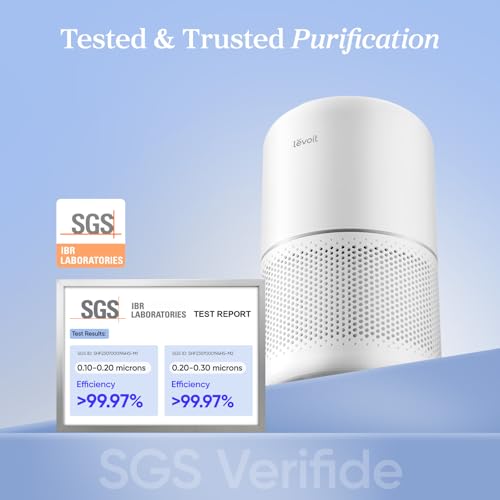
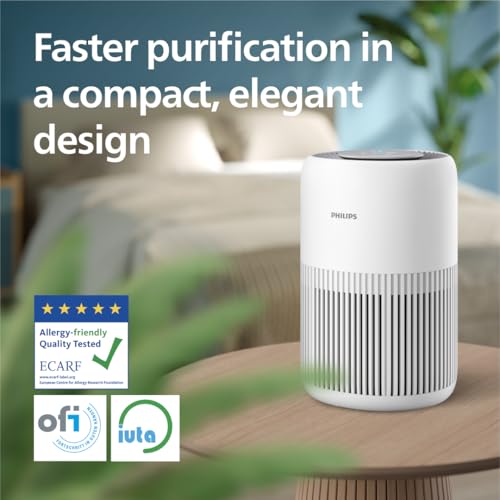
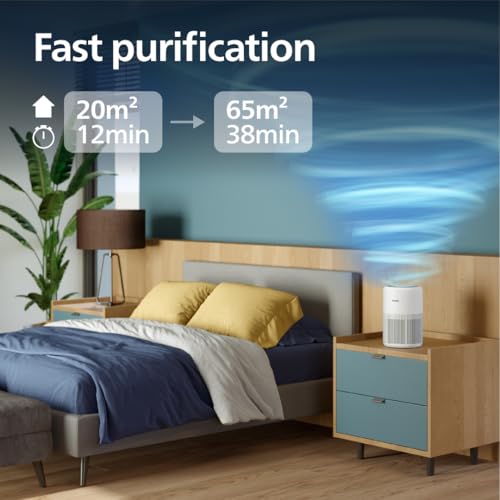
Purification matters because it determines how effectively an air purifier can pull air through its filters, capture particles, and return cleaner air to the room. Look for strong, consistent airflow matched to your room size, reliable filtration for the pollutants you care about, and performance that holds up beyond the highest fan setting; watch out for vague “air freshening” claims that don’t clearly explain what is being filtered or how well.
For an air purifier, buy for verified clean-air delivery in the room where it will actually run: check CADR or equivalent room-size ratings, assume real-world coverage is lower than marketing claims, and prioritize true mechanical HEPA-style particle filtration for dust, pollen, dander, and smoke particles. If odors, cooking smoke, mildew smells, or pet smells are a concern, make sure it also has a meaningful activated-carbon stage rather than only a thin deodorizing sheet; avoid ozone-generating or “ionizer-only” purification as a primary solution. Owner feedback supports this priority, with many users reporting noticeably fresher air, allergy relief, and faster cleanup of dust, pollen, d28
Ease
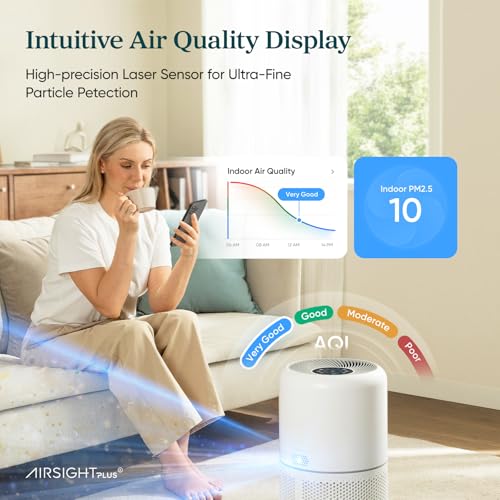
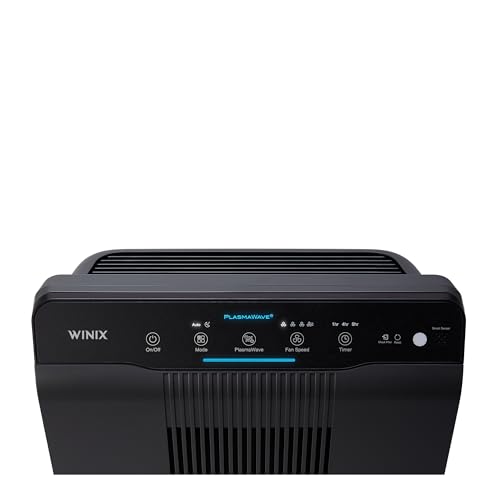
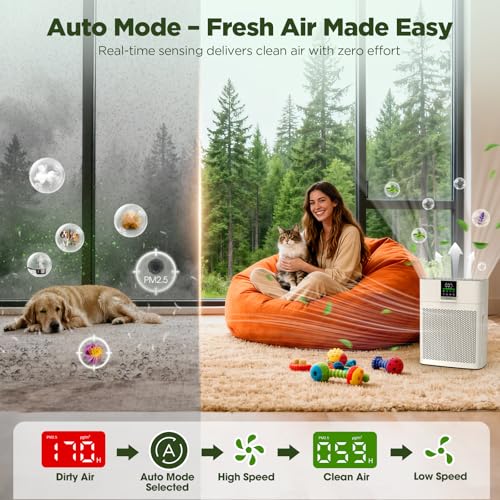
An air purifier is easier to live with when you can set it up quickly, understand the controls at a glance, and adjust fan speeds, timers, sleep mode, or auto mode without digging through a manual. Look for clear indicators, simple filter-change reminders, responsive controls or app features if you want them, and settings that are quiet and dim enough for nighttime use. Watch out for models that rely too heavily on confusing apps, hidden menus, or bright lights and beeps that make everyday use more annoying.
For daily use, choose controls you can operate half-asleep and indicators that help you respond without guessing: clear fan-speed buttons, a timer, filter-status alerts, and a visible air-quality readout are more useful than complicated app-only controls. If the purifier will move between rooms, check weight, handle placement, cord length, and whether settings resume after a power interruption. Buyers commonly describe simple setup, intuitive panels, practical air-quality indicators, timers, fan adjustments, and app control as making day-to-day operation easier.
Noise
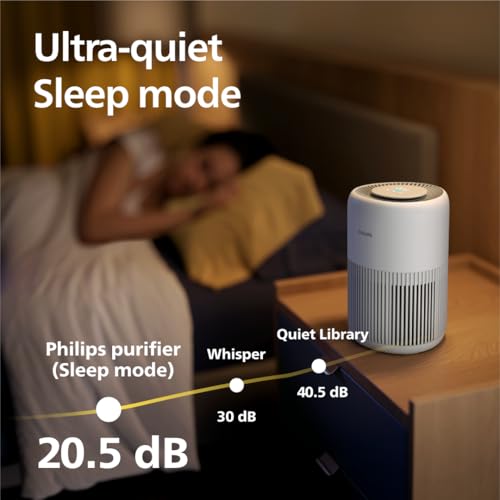
Noise matters because an air purifier often needs to run for long stretches, including while you work, relax, or sleep. Look for a model with a quiet low or sleep setting, but also consider how loud it gets on higher fan speeds, since those are often needed for faster cleaning or larger rooms. Watch for rattling, whining, or bright indicator sounds in addition to basic decibel ratings, because the type of noise can be just as distracting as the volume.
Match noise to the room’s use: for bedrooms, nurseries, or offices, check the lowest-speed decibel rating and confirm there is a true sleep mode that dims or turns off display lights; for rapid smoke or allergen cleanup, expect high speed to be audibly louder. Avoid judging only by “quiet” marketing claims, because a purifier that is silent may be moving too little air for the room unless it has adequate CADR at lower speeds. Owner sentiment is strongest on quietness, with users saying lower settings work well in bedrooms, night mode is friendly to light sleepers, and higher settings can serve as gentle white noise.
Value
You want an air purifier that delivers strong cleaning performance, solid build quality, and useful features without making you pay for extras you will not use. Look for a balance between room coverage, filter effectiveness, noise levels, energy use, and replacement-filter costs, since a low upfront price can become poor value if it is loud, underpowered, or expensive to maintain.
Value in an air purifier depends less on the upfront box and more on ongoing filter cost, filter availability, and whether the unit is reliable enough to run for hours every day. Before buying, confirm the exact replacement-filter model, expected replacement interval, cost over a year, warranty coverage, and whether the purifier uses two filters or multiple stages that must be replaced separately. Owner feedback suggests performance and quietness can feel like strong value, but filter life is less consistent and some users report cord or power concerns, so long-term ownership costs and reliability deserve extra scrutiny.
Build
Build quality matters because an air purifier often runs for long stretches, so sturdy housing, tight seams, durable controls, and a well-supported fan can affect both reliability and noise over time. Look for a unit that feels solid, has secure filter doors and grilles, and uses components that do not rattle, flex excessively, or seem difficult to clean or replace. Be wary of flimsy plastic, loose panels, or vague warranty and parts support, since those can signal durability issues down the road.
Because air purifiers are often left running unattended, inspect build quality around the power cord, plug, housing seams, intake/exhaust grilles, and filter door before relying on one continuously. Look for stable footing, overheat protection, reputable safety certification, and no rattling or loose panels; avoid units with flimsy cords, poor-fitting filter covers, or blocked airflow paths that could strain the motor. Owner reports make reliability the key build watch-out, especially occasional cord or power concerns, even though many users are otherwise satisfied with performance.
Filters
The filters determine how effectively an air purifier captures particles and odors, and they also drive much of the long-term cost of ownership. Look for clearly specified filter types, realistic replacement intervals, and easy-to-find replacements; be wary of vague “filter life” claims, washable filters presented as full HEPA equivalents, or designs that require frequent, costly changes.
For filters, verify the actual filtration stack and replacement path: a particle filter for allergens and fine dust, enough carbon for odors if needed, and readily available replacements under the correct model number. Check whether the filter is washable, vacuum-only, or disposable, and be wary of vague “lifetime filter” claims for serious allergy, smoke, or pet-dander use because saturated filters reduce airflow and odor capture. Owner sentiment is mixed here: many users get long use from dual filters, but filter-life experiences are less consistent than the praise for cleaning performance and quiet operation.
1,000,000+ shoppers use Buyer's Guide every week to find the best products and services online.

Helping millions of users make smarter purchases online.


