

















We also considered 10 others:


Our Top Choice
Compare Features


The order above is not editorial opinion, and it is not paid placement. It comes from what shoppers across our network actually do - which aerobeds they compare, and which they ultimately buy. We re-rank as new data comes in, so the long-term favorites have to keep earning their spot against new entrants. The full method, including how we make money.
Aerobeds Buyer's Guide
Aerobeds have to balance real-bed comfort with the weak points of any inflatable: seams, valves, pump reliability, and overnight air loss. The sharpest buying concerns are whether the bed will stay firm through the night and whether its pump system fits your actual use, whether that is a guest room with an outlet or a campsite without one.
Build
Build matters because an air mattress has to handle body weight, floor contact, repeated inflation, and packing without stretching, leaking, or losing shape. Look for thick, puncture-resistant materials, reinforced seams, a stable internal support structure, and a dependable valve or pump connection; watch out for flimsy vinyl, weak edge support, or reviews that mention slow leaks and sagging after limited use.
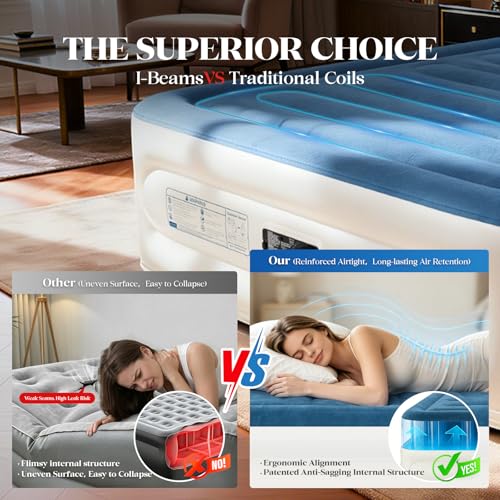
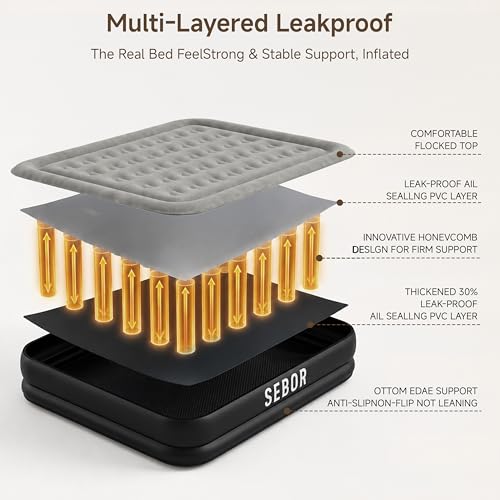
For an aerobed, prioritize reinforced seams, a stable internal coil or beam structure, a thick puncture-resistant base, and a realistic weight rating for the sleepers who will use it. If it will sit on rough floors, in a tent, or around kids or pets, avoid thin-bottom designs and check that the valve area and pump housing look well protected, since those are common stress points on inflatable beds. Owner feedback supports this focus: buyers often describe better units as sturdy, firm, dependable, and substantial enough for real overnight use rather than flimsy occasional lounging.
Comfort
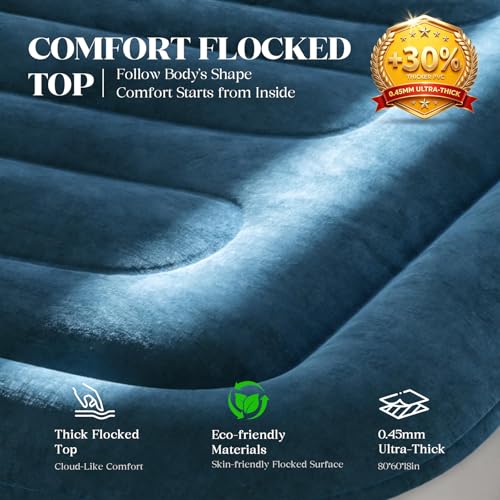
Comfort matters because an air mattress that feels too hard, too bouncy, or too saggy can leave you with sore spots, poor sleep, or inadequate back support. Look for a surface that balances cushioning with stable firmness, holds air evenly through the night, and offers enough pressure relief for your hips, shoulders, and lower back. If you’ll use it for guests or longer stays, pay close attention to texture and edge support, since slick or unstable surfaces can make the bed feel less restful.
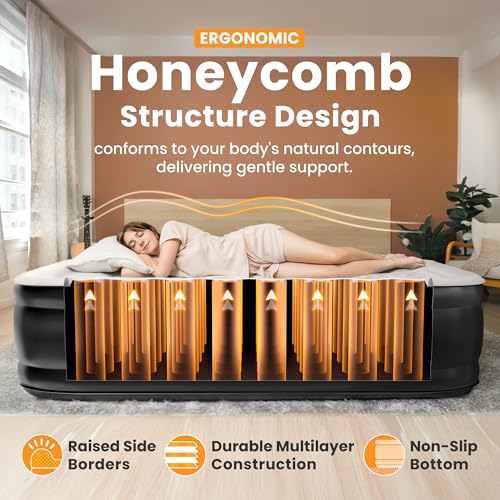
Choose comfort features based on the actual sleep situation: taller beds are easier for guests to get in and out of, adjustable firmness matters for mixed sleepers, and internal air coils or beams help prevent the “hammock” sag that can bend the back overnight. For two sleepers, look for enough width, edge stability, and reduced bounce transfer; for camping or cold floors, add insulation because airbeds can feel cold from below. Owners commonly praise models that feel firm, roomy, supportive, quiet, and comfortable enough for a full night’s rest, especially when the firmness can be tuned after inflation.
Ease
An air mattress that’s easy to use saves you frustration when you need a bed quickly, whether you’re hosting guests or setting up camp. Look for simple inflation and deflation controls, clear firmness adjustments, and a design that’s manageable to move, store, and pack away. Watch out for confusing pumps, awkward valves, or setup steps that make routine use feel more like a chore.
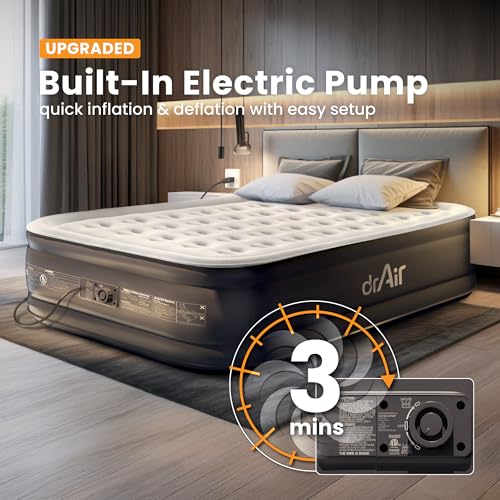
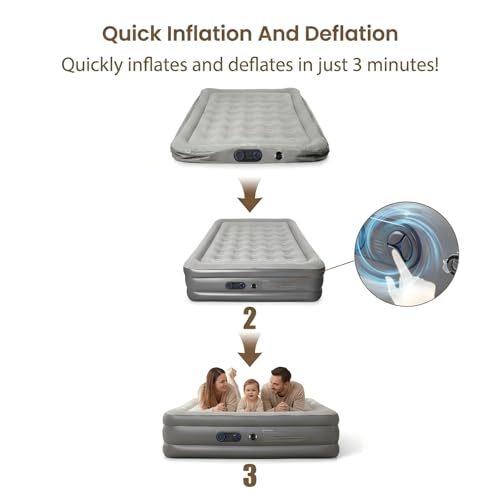
For a guest bed that may be set up late at night, the easiest aerobed is one with a built-in inflate/deflate pump, clear controls, a reachable cord, and a storage bag that actually fits the deflated mattress. If you need it for travel or camping, check folded size, carry weight, and whether the pump requires a wall outlet before assuming it is portable. Owner sentiment strongly backs built-in-pump designs: buyers repeatedly say setup and takedown are quick, simple, and low-effort, with folding and storing easier when deflation is powered rather than manual.
Inflation
Inflation affects how quickly and easily you can set up or pack away an air mattress, especially if you’re using it for guests or travel. Look for a pump that fills and deflates the bed efficiently without needing constant monitoring, and consider whether a built-in pump, rechargeable pump, or external power source best fits where you’ll use it. Also watch for pump reliability and whether the mattress can be adjusted easily if it loses a little firmness overnight.
Match the pump system to where you will use the bed: an AC built-in pump is convenient for home guests, but camping, car travel, or power outages may require a rechargeable, battery, car-adapter, or manual backup option. Look for separate inflate and deflate modes, a valve that seals immediately after pumping, and a way to fine-tune firmness without fully reopening the bed. Owners consistently like mattresses that inflate within minutes using one-touch or built-in controls, and they especially value not needing separate equipment when guests arrive.
Retention
You want an air mattress that holds pressure through the night, because slow leakage can leave you sagging toward the floor and waking up uncomfortable. Look for strong seam construction, a reliable valve that seals tightly, and materials that resist punctures; be cautious if owners repeatedly mention “air retention” problems or waking up to a noticeably softer bed.
Air retention is the failure mode to scrutinize most closely: test a new aerobed for 24 to 48 hours before guests arrive, expect a little initial material stretch, but treat repeated overnight softening, valve seepage, or seam bulging as red flags. Temperature swings, overinflation, exceeding the weight rating, and placing the bed on abrasive surfaces can all make pressure loss worse, so use a ground cloth or rug and leave slight flex rather than filling it rock-hard. Owner feedback is mixed in exactly this area: many buyers say their beds stay firm overnight or through repeated use, while others report slow softening, seam leaks, suspected valve leaks, or needing top-offs during the night.
Value
Value matters because an air mattress that seems inexpensive can cost you more if it leaks, sags, or feels uncomfortable after only a few uses. Look for a balance of durable materials, reliable inflation, comfort, and included essentials like a pump or storage bag, and be wary of paying extra for features that do not improve sleep quality or long-term use.
Judge value by use case, not just by how comfortable it feels the first night: an occasional guest bed should include a dependable pump, repair patch, storage solution, and enough durability for repeated folding, while nightly or long-term use demands a higher standard of seam strength and air retention. Avoid treating an aerobed as a permanent mattress unless the warranty, weight capacity, and retention record support that level of use. Owners generally view these beds as strong value for spare, travel, temporary, or guest sleeping setups, often saying the comfort and build feel better than expected for an inflatable bed.
1,000,000+ shoppers use Buyer's Guide every week to find the best products and services online.

Helping millions of users make smarter purchases online.


