








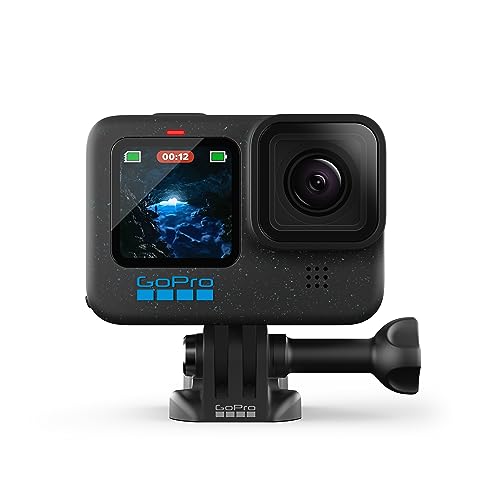





We also considered 10 others:


Our Top Choice
Compare Features


The order above is not editorial opinion, and it is not paid placement. It comes from what shoppers across our network actually do - which action cameras they compare, and which they ultimately buy. We re-rank as new data comes in, so the long-term favorites have to keep earning their spot against new entrants. The full method, including how we make money.
Action Cameras Buyer's Guide
Action cameras are a tradeoff between rugged, mountable capture and the compromises that come with tiny bodies: heat, short battery life, small sensors, and reliance on stabilization. For this niche, the sharpest checks are whether the camera can survive your exact activity—water, vibration, impact, helmet or bike mounting—and whether it can record stable, usable footage long enough without overheating or running out of power.
Quality
A digital camera’s quality and reliability matter because you’re trusting it to perform consistently when a shot can’t be repeated. Look for solid build, dependable autofocus and exposure, durable controls, good battery and card performance, and a reputation for stable operation over long-term use. Watch out for cameras that feel flimsy, overheat easily, freeze or lag, or have user reports of recurring mechanical or software issues.
Prioritize build quality around the actual abuse point: sealed doors, tight battery/card latches, a lens cover that can handle grit, and a body or housing rated for the water, dust, vibration, and drops your activity involves. Avoid cameras that feel like general vacation cameras if you need helmet, bike, surf, snow, or trail use; for action work, dependability in wet and demanding conditions matters as much as image sharpness. Owner sentiment supports this split: buyers praise compact action cameras that feel rugged, dependable outdoors, and capable in wet scenarios with the waterproof case installed, while simpler everyday cameras are better received for casual travel and family shooting.
Value
Value for money matters because a digital camera should justify its cost with the features, image quality, handling, and reliability you’ll actually use. Look beyond the body price and consider what’s included or required, such as lenses, batteries, storage, and accessories, while watching out for cameras that add flashy specs but compromise on core performance or usability.
Judge value by the full action setup, not just the camera: confirm whether it includes the mounts, cages, adhesive pads, handlebar or helmet hardware, waterproof case, charger, and spare batteries you would otherwise need to buy separately. Also check that the included accessories match your sport; a bundle is less valuable if the mounts are flimsy, incompatible, or wrong for your helmet, bike, vehicle, board, or chest setup. Owner feedback repeatedly backs this: shoppers see strong value when a capable budget action camera includes enough mounts and extras to start using it for sports, travel, helmets, bikes, and vehicles right away.
Video
If you plan to record more than stills, you’ll want a camera that delivers clean, detailed video with reliable autofocus, good stabilization, and recording options that match how you shoot. For vlogging, watch for a screen you can monitor while filming, comfortable handheld operation, and microphone support, since built-in audio can pick up handling noise and wind. Also consider practical limits like overheating, battery life, and recording time, especially for longer clips or frequent filming.
For action footage, look past headline resolution and verify stabilization quality, frame-rate options, field of view, bitrate, and whether stabilization works at the resolution you plan to use. Fast movement needs smooth stabilization and enough frame rate for slow motion; underwater or shaded trails need usable color and detail below ideal lighting, not just a large resolution number. Owners most often praise models that produce sharp, detailed footage, vibrant color, stable walking or tracking clips, strong high-resolution video, and surprisingly good underwater detail, with Wi‑Fi/app transfer helping quick capture and sharing.
Features
Features matter because they determine how well a digital camera fits the way you actually shoot, from built-in modes and connectivity to accessory support, lens options, and rugged or waterproof construction. Look for useful functions you’ll rely on often, not just long spec lists, and make sure the camera’s controls, size, styling, and expandability suit your skill level and typical subjects.
Match features to your mounting and environment needs: waterproofing should be either built-in to the depth you need or supported by a properly sealed case, and the mount system should support your helmet, bars, chest, vehicle, or handheld grip without blocking doors, buttons, microphones, or the screen. For hands-free POV, a compact, lightweight body is a real feature because heavy cameras bounce, sag, or become uncomfortable on helmets and straps. Owner sentiment aligns strongly here, with buyers highlighting waterproof use, included mounts, waterproof cases, remotes, chargers, spare batteries, simple setup aids, and lightweight bodies that can be clipped, worn, pocketed, or mounted for sports and travel.
Usability
You’ll get more out of a digital camera if it feels easy to pick up, set up, and adjust without constantly digging through confusing menus. Look for clear controls, helpful automatic modes, and simple playback or sharing steps, especially if the camera is for a beginner or kid. Watch out for models with tiny buttons, cluttered interfaces, or too many advanced settings if you want photography to feel fun rather than frustrating.
Choose controls you can operate in the field: large enough buttons for gloves or wet hands, clear recording indicators, fast mode switching, reliable app pairing, and simple file transfer after a ride, dive, hike, or family outing. If you film solo, look for tracking, easy framing, and a screen or app workflow that prevents missed shots; if you use it underwater, confirm controls remain usable inside the housing. Owners commonly describe good action cameras as beginner-friendly and low-fuss, with intuitive controls, app connection, Wi‑Fi transfers, compact portability, and accessory bundles that make helmet, skating, motorcycle, snorkeling, biking, and travel use easier.
Battery
Battery life matters because it determines how long you can shoot without stopping to recharge or swap batteries, especially during travel, events, or long days outdoors. Look for a camera that matches your shooting style, and remember that video recording, continuous autofocus, bright screens, wireless features, and cold weather can drain power faster than casual still photography. Also consider how it charges, including USB charging support and recharge speed, so you know whether you can top it up easily between sessions.
Battery planning is critical because small action-camera bodies drain quickly at high resolution, high frame rates, stabilization, Wi‑Fi, and cold temperatures, and some can heat up during long recordings. Look for removable batteries, included spares, external charging, fast charging, and realistic runtime at your intended settings; avoid relying on a single internal battery for all-day riding, diving, hiking, or travel. Owner feedback is mixed in exactly this way: some buyers praise long sessions, fast charging, spare batteries, two-battery setups, and dependable outing use, while others warn that short runtime, charging issues, fast drain, and uncomfortable heat can interrupt recording.
1,000,000+ shoppers use Buyer's Guide every week to find the best products and services online.

Helping millions of users make smarter purchases online.


