
Join the millions that have trusted BuyersGuide.org to help them make smarter buying decisions. Let our independent expert reviews and data-driven shopping recommendations help you find the one that's right for you.














Our Top Choice
Why These Features Matter:
A dash cam is one of those purchases that feels slightly paranoid right up until the day it doesn’t. Then it becomes the most smug little rectangle in your car: silent, unblinking, and suddenly very useful.
The problem is that dash cams are also uniquely good at being annoying. They dangle cords like cheap earbuds. They beep at you when you’re just trying to reverse out of a tight spot. They fill up storage at the exact moment someone sideswipes you and drives off. The “best” dash camera, in real life, is the one you’ll actually keep installed after the first week — the one that fades into the background until you need it.
Image Quality That Works in the Real World (Not Just on a Product Page)
You don’t need cinematic footage of your commute. You need to read a license plate when the other car is moving, it’s raining, and your windshield has that fine film of city grit you swear you’ll clean this weekend.
- Look for: clear detail at speed, solid low-light performance, and balanced exposure (so headlights don’t turn everything into a blown-out glowing blob).
- Why you’ll care: “I can sort of tell it’s a gray SUV” is not the energy you want when you’re filing a claim.
- Small tell: If reviewers keep saying “plates are readable at night,” that’s the phrase you want. If they just say “crisp video,” ignore it.
Night Vision and Headlight Glare: The Make-or-Break Test
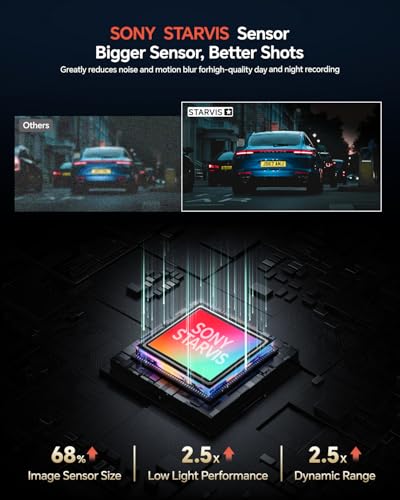
Most driving drama happens in bad lighting: dusk, night, garages, storms, that weird overcast afternoon where it looks like the sun called in sick. A dash cam that handles contrast well is the difference between usable evidence and an abstract art film titled Two Halogen Suns and Vibes.
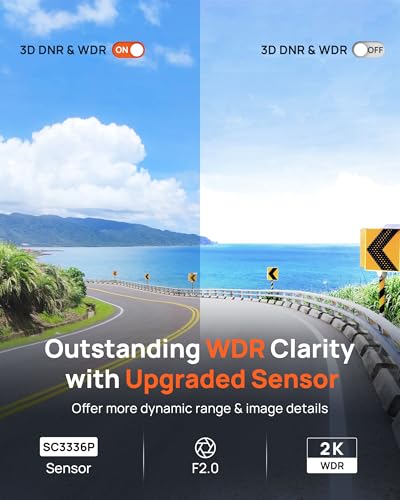
- Look for: strong dynamic range (so shadows and bright lights both hold detail).
- Things to know: “Night vision” is often marketing shorthand. What you’re really buying is how well it handles headlights and streetlights without smearing or flaring.
Mounting and Daily Livability (A.K.A. Will You Rip It Off in a Rage?)
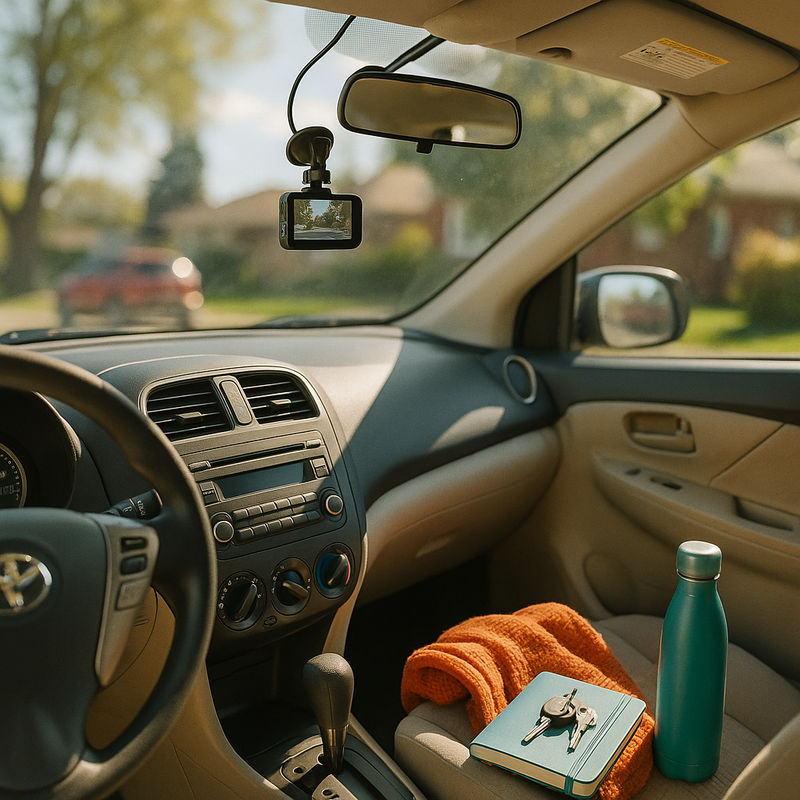
Dash cams live on your windshield, which is already the most emotionally loaded piece of glass you own. A great camera disappears. A bad one hangs in your eyeline like a guilty conscience.
- Look for: a low-profile body, a mount that doesn’t wobble, and a design that doesn’t block your view (especially if you’re shorter, drive a smaller car, or sit close).
- Things you’ll notice immediately: how hard it is to level the camera; whether it stays put when the weather swings from freezing to sauna; whether you can remove it without leaving sticky sadness behind.
- Honest caveat: suction mounts can be great until they aren’t. Adhesive mounts can feel permanent until you need to move it one inch and suddenly you’re doing windshield surgery.
Power and Cords: The Quiet Villain
In theory, you plug it in and forget it. In practice, the cable wants to drape across your dash like it’s auditioning for a role in a chaotic home-reno show. If you’ve ever wrestled a phone charger that only works at one specific angle, you understand the genre.
- Look for: a long enough power cable, a setup that tucks cleanly along trim, and an option for hardwiring if you want a truly “installed” feel.
- Why you’ll care: a dangling cord becomes a daily irritant — and daily irritants are how “safety purchases” end up in your glove box.
- Honest caveat: hardwiring is wonderful, but it’s not nothing. If you’re not comfortable poking around fuse boxes, budget for professional installation and the mild indignity of explaining what you want.
Parking Mode: The Feature You’ll Either Love or Never Bother Using
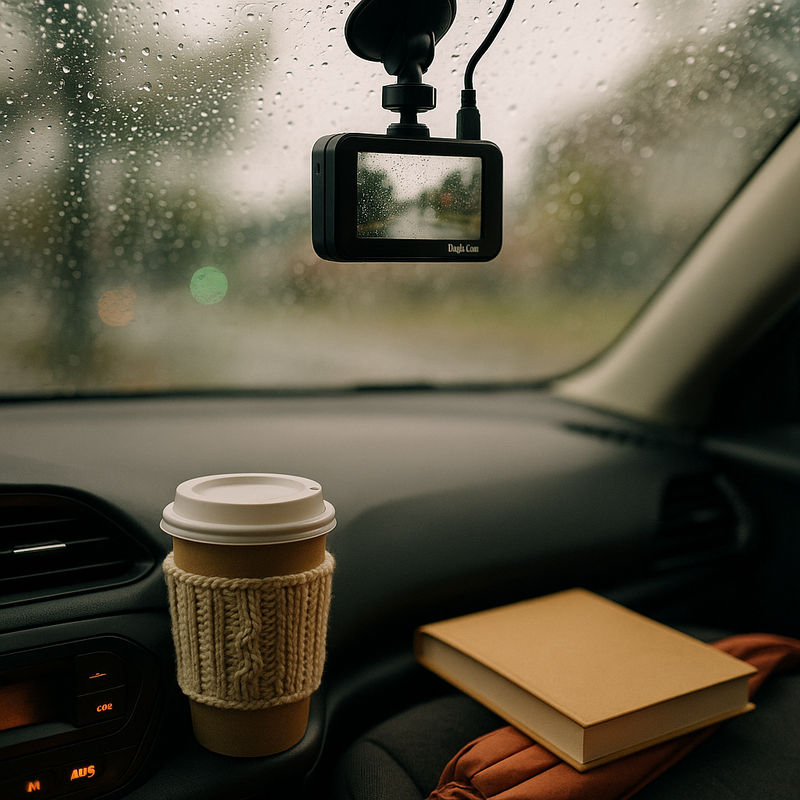
Parking mode sounds like a must-have until you realize it can be finicky. It’s amazing if you street-park, deal with mystery dents, or live in a world where shopping carts have no morals. It’s also the feature most likely to introduce extra complexity (and extra battery anxiety).
- Look for: a parking mode that’s easy to enable and doesn’t require you to memorize a tiny-button secret handshake.
- Things to know: many parking modes work best with hardwiring, and some can drain your battery if settings aren’t right.
- Honest caveat: the camera may capture “something happened” without giving you the perfect angle of the culprit. It’s still better than nothing, but it’s not surveillance-camera omniscience.
Audio and Cabin Sound: Surprisingly Personal
Some people like cabin audio because it captures what was said. Some people hate it because they don’t want a recording of them singing off-key to a song they publicly claim to dislike. Audio can also pick up a lot of vibration and road noise — and some mics make everything sound like it’s happening inside a tin lunchbox.
- Look for: the ability to easily toggle audio on/off without diving into a labyrinthine app.
- Guidance: if you’re using footage mainly for insurance, video is usually the key evidence. Audio is optional — and sometimes legally sensitive depending on where you live.
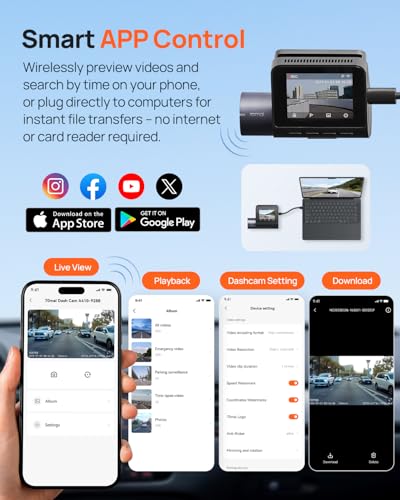
App vs. Screen: How You’ll Actually Get the Clip
Here’s the moment that matters: you’re pulled over, or you’re shaken up after a fender bender, and you need the video. Not later. Now. The best dash cam is the one that doesn’t make you fight your own technology while your adrenaline is doing somersaults.
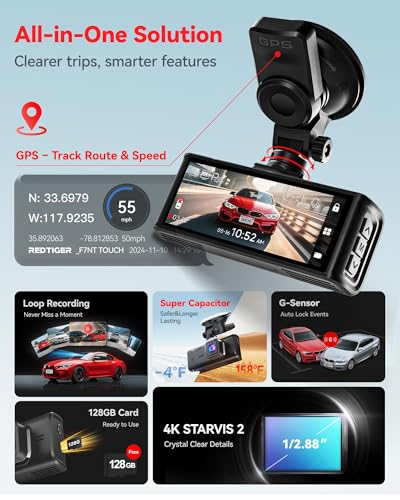
- Look for: a straightforward way to save/lock clips, and a reliable method to transfer video (Wi‑Fi, card reader, or both).
- Things to know: apps can be convenient or deeply irritating. If reviewers mention “constant disconnects,” believe them.
- Honest caveat: tiny screens are rarely delightful, but they can be faster in a pinch than an app that insists on updating at the worst possible time.
Storage and Loop Recording: The Unsexy Dealbreaker
A dash cam is always recording — which means it’s always overwriting. That’s fine, until it overwrites the one thing you needed because the settings weren’t right or the memory card decided to have a little drama.
- Look for: reliable loop recording, easy clip-locking (so important videos don’t get overwritten), and support for high-endurance memory cards.
- Things you’ll feel: peace of mind when it just works; simmering resentment when it randomly says “Card error” like it’s your fault.
- Guidance: buy a good memory card. This is not the place to use the freebie one you found in a drawer next to three IKEA Allen keys and a single mysterious earring.
Front + Rear Coverage: Worth It If You’re Often in Other People’s Blind Spots
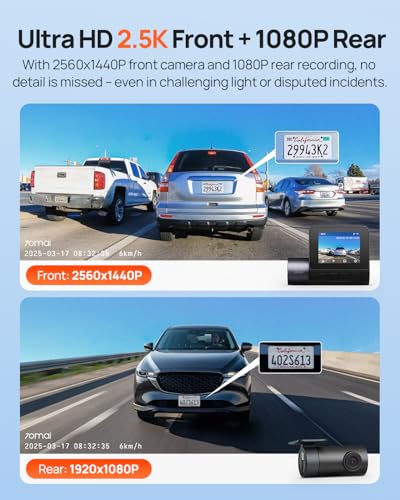
Rear cameras can feel optional until you get hit from behind or someone claims you reversed into them in a parking lot. If you do a lot of highway driving, ride-share, or city parking, rear coverage starts to feel less like “extra” and more like “why wouldn’t I.”
- Look for: a rear camera with decent low-light performance and a cable that’s long enough for your car (especially if you drive an SUV).
- Honest caveat: installing the rear camera is where many people lose patience. Routing the cable neatly is a small DIY project, not a vibe.
Build Quality and Heat Tolerance: The Summer Test
Cars get brutally hot. A dash cam that’s fine in a mild climate can turn flaky after a few months of baking on a windshield like it’s trying to become a crème brûlée.
- Look for: consistent reports of stability in heat and cold, and a body that doesn’t feel like a toy.
- Things to know: some cameras behave perfectly until the first heat wave, then suddenly reboot like they’re fainting for attention.
Smart Alerts and Driver “Assistance”: Useful, Until It’s Not
Some dash cams include lane-departure warnings, forward-collision alerts, and other nags. For some drivers, these are helpful. For others, they’re an uninvited backseat driver who won’t stop clearing their throat.
- Look for: alerts you can adjust or disable easily.
- Honest caveat: if the camera beeps every time you roll through a familiar curve or follow traffic normally, you’ll turn it off — and then you’ll never touch that feature again.
So What’s “Best,” Actually?
The best dash camera is the one that feels boring in daily life and invaluable in the rare, stressful moments you bought it for. Prioritize clarity at night, stable mounting, painless clip-saving, and a setup you won’t resent every time you get in the car. Everything else is garnish.
- If you want maximum set-it-and-forget-it: prioritize reliability, heat tolerance, and a simple interface over fancy extras.
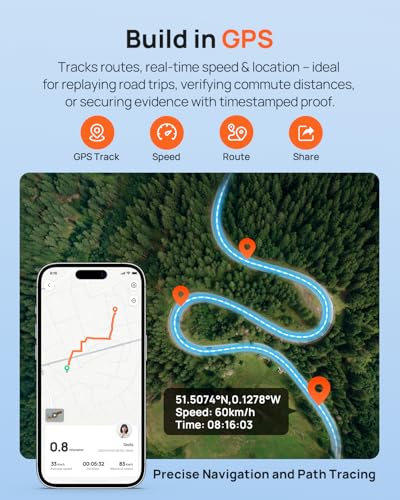
- If you street-park in a city: parking mode and good low-light performance matter more than you think.
- If you hate clutter: choose a low-profile camera and plan for clean cable routing (or pay someone to do it and spare yourself the dashboard spaghetti).
Things to Know Before You Buy (The Stuff People Admit After)
- You may have to tweak angles twice. The first install is rarely perfect. Expect a quick re-aim after you see your first footage.
- Memory cards are maintenance. Even good ones can fail eventually. If your camera can run a card health check or format reminder, that’s not “extra” — it’s sanity.
- Some cars make installs harder. Steep windshields, limited USB ports, finicky trim panels. The dash cam isn’t complicated; the car sometimes is.
- Privacy is real. If other people drive your car, tell them it’s there. If you’re recording audio, check local laws.
The Bottom Line
A dash cam is not a fun purchase. It’s a practical one — like a fire extinguisher, but for your insurance deductible. Get one that’s discreet, dependable, and easy to pull footage from under stress. And if it has one small annoying quirk? Fine. So do most of us in traffic.
1,000,000+ shoppers use Buyer's Guide every week to find the best products and services online.

Helping millions of users make smarter purchases online.

