

















We also considered 10 others:


Our Top Choice
Compare Features


The order above is not editorial opinion, and it is not paid placement. It comes from what shoppers across our network actually do - which oral-b io electric toothbrushes they compare, and which they ultimately buy. We re-rank as new data comes in, so the long-term favorites have to keep earning their spot against new entrants. The full method, including how we make money.
Oral-B iO Electric Toothbrushes Buyer's Guide
For this type of premium oscillating electric toothbrush, the main tradeoff is paying for guided brushing, pressure control, and a smoother magnetic-drive feel versus committing to proprietary replacement heads and electronics that must hold up to daily wet use. The sharpest checks are gum-safe pressure feedback, head compatibility/refill cost, battery and charger reliability, and whether the smart features actually improve your brushing rather than becoming unused extras.
Build
You want an electric toothbrush that feels solid in the hand, holds up to daily use, and has brush heads that keep their shape without fraying too quickly. Pay attention to owner feedback about durability, charging reliability, loose buttons or rattling parts, and whether replacement heads maintain good bristle quality over time. A well-built brush is less likely to become frustrating, ineffective, or expensive to maintain.
Prioritize a sealed, easy-rinse handle with a grippy shape, a firm head connection, and a motor feel that stays smooth without rattling; avoid models where the head feels loose, the handle is slippery when wet, or the charging contacts/base seem fussy to keep dry and clean. For this category, the brush should feel controlled at the gumline because the small round head and high-frequency motion can be excellent when guided but uncomfortable if the handle transmits harsh vibration. Owner feedback supports this: buyers often describe these brushes as a high-quality upgrade from manual brushing, with a noticeably deeper clean, a solid feel, and controlled gentleness on gums.
Features
Features matter because they shape how well an electric toothbrush fits your routine: look for useful settings such as sensitive or gum-care modes, a reliable timer, pressure or lighting cues, and brush head options that match your mouth and brushing goals. Extras like water flossing functions, travel accessories, or multiple cleaning modes can be helpful, but watch out for complicated controls or gimmicky features you won’t actually use.
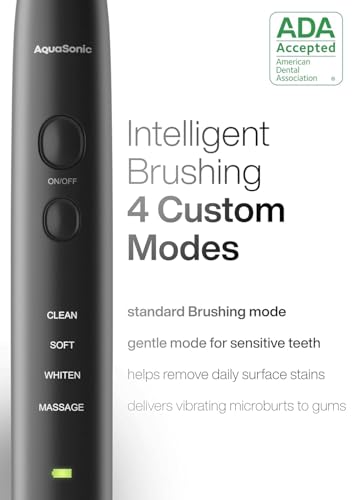
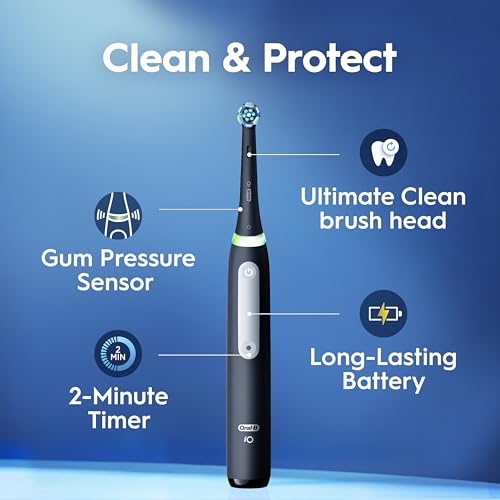
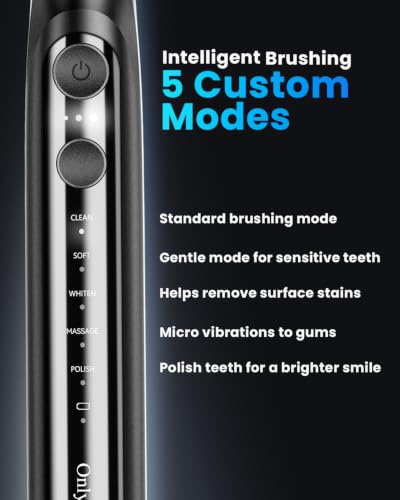
Look first for features that prevent bad technique: a visible pressure sensor, a reliable two-minute timer, quadrant pacing, and sensitivity or intensity options. Extra modes, displays, or app guidance are only worth prioritizing if they help you brush evenly around molars, gumlines, implants, crowns, or orthodontic hardware; otherwise they can add complexity without changing results. Owners tend to value the pressure guidance, timer, guided brushing, multiple modes, and intensity options because they make sessions feel customized and easier to do correctly without pressing too hard.
Cleaning
Cleaning effectiveness is the main reason to choose an electric toothbrush, so look for one that consistently helps remove plaque and leaves your teeth feeling clean without requiring heavy pressure. Pay attention to brushing modes, brush-head movement, and whether the design reaches along the gumline and between teeth; extra “power” is not always better if it feels harsh or encourages you to scrub.
Choose a brush/head combination based on your mouth, not just maximum power: use softer or sensitive heads if you have gum recession, sensitivity, recent dental work, or tendency to scrub, and check that the small round head can comfortably reach behind back molars and along the gumline. Avoid assuming stronger is better; the best performance comes from letting the oscillating head do the work with light pressure and slow tooth-by-tooth positioning. Owner sentiment strongly backs the cleaning case, with many saying teeth feel smoother and cleaner, plaque removal feels improved, and the deep-cleaning action works well without feeling overly harsh when used properly.
Battery
Battery life matters because you want your toothbrush ready for daily use without constantly returning it to the charger, especially if you travel or share limited bathroom outlet space. Look for a runtime that fits your routine and a charging setup that is easy to live with, while watching out for brushes that lose power quickly or give little warning before the battery dies.
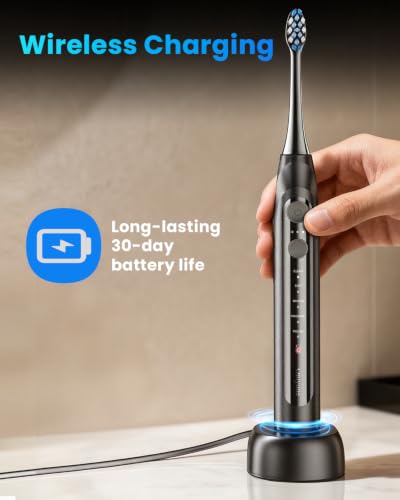
Check expected runtime under twice-daily use, charging time, battery-status visibility, and whether the included charger or travel case fits your routine; this matters more here because displays, sensors, and smart features can drain more power than simpler brushes. If you travel, confirm whether the case actually charges, whether the charger is compatible with your outlets, and whether you can tolerate carrying a proprietary charging base. Owners are split: many report long stretches between charges, roughly a week to two weeks or more, and convenient recharging, while others mention fast drain, charging confusion, aging-related decline, or failures to charge.
Value
You want an electric toothbrush that feels worth the money not just on day one, but over time. Look beyond the upfront cost and consider brush head replacement prices, battery life, durability, included modes or accessories you’ll actually use, and whether the cleaning performance justifies paying more. Watch out for models loaded with extras that raise the price without improving your daily brushing experience.
Calculate ownership cost around replacement heads before buying: these brushes often require specific heads, and the refill price can matter more over time than the handle. Bundles with multiple genuine compatible heads, a travel case, or a useful charger can be better value, but avoid paying for app features, displays, or modes you will not use daily. Owners generally feel the upgrade is worthwhile when cleaning performance is strong and useful basics are included, especially in bundles, but value becomes more debatable when replacement heads are costly.
Usability
Usability matters because even a powerful electric toothbrush won’t help much if it feels awkward, messy, or annoying enough that you stop using it consistently. Look for a handle that’s comfortable to grip, simple controls you can operate without thinking, clear feedback for timing or pressure, and charging and cleaning routines that fit your daily habits.
For daily compliance, favor simple controls, clear mode switching, an easy-to-read pressure signal, and a handle that is comfortable for two full minutes; a premium brush is only helpful if you can use it correctly every morning and night. If multiple people may use the same handle, check that brush heads are easy to swap and identify, and if you dislike apps, make sure the timer and pressure feedback work fully without one. Owners commonly say setup and daily brushing are straightforward, with timers, area-change reminders, pressure sensors, and modes making it easier to avoid over-brushing and stick to the routine.
1,000,000+ shoppers use Buyer's Guide every week to find the best products and services online.

Helping millions of users make smarter purchases online.


