



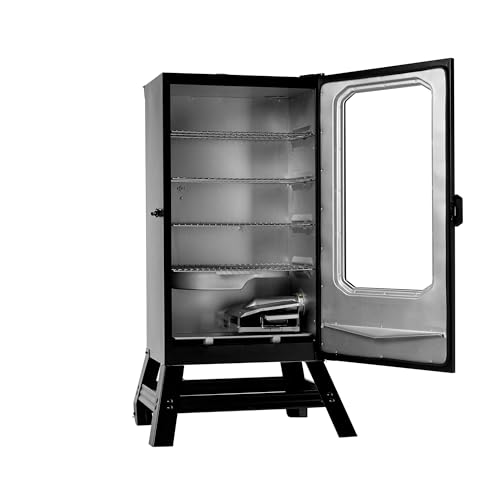

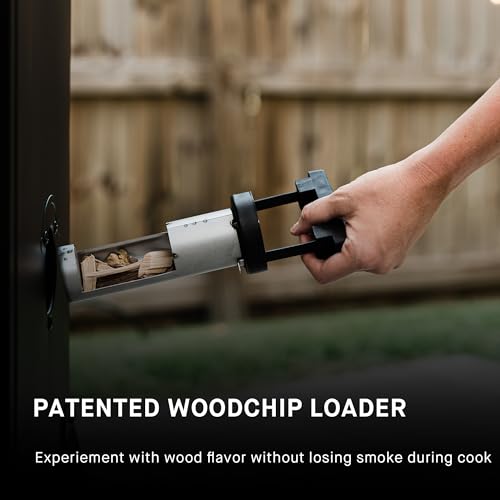
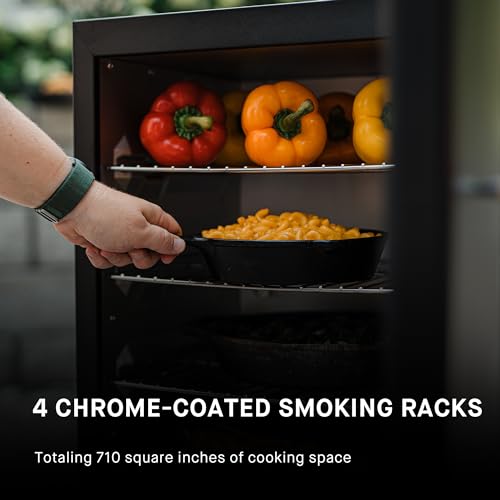


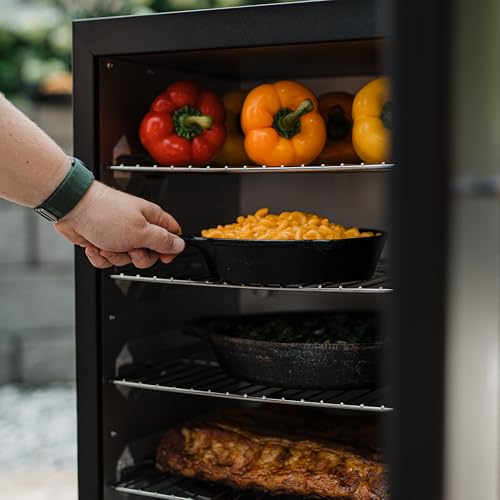








We also considered 10 others:


Our Top Choice
The order above is not editorial opinion, and it is not paid placement. It comes from what shoppers across our network actually do - which masterbuilt electric smokers they compare, and which they ultimately buy. We re-rank as new data comes in, so the long-term favorites have to keep earning their spot against new entrants. The full method, including how we make money.
Masterbuilt Electric Smokers Buyer's Guide
Electric smokers trade hands-off temperature control for dependence on a controller, heating element, seals, and a dry electrical setup. In this niche, the sharpest buying concerns are whether the cabinet holds a true cooking temperature, whether racks and covers fit the exact cabinet size, and whether outdoor storage will lead to rust, water seepage, or damaged parts.
Heat Control
Electric smokers are bought for repeatable low-and-slow cooking, so temperature accuracy matters more than flashy controls. If the cabinet temperature runs far from the setpoint or swings too much, food can dry out, cook late, or fail to take smoke consistently.
Look for an insulated cabinet, a tight door seal, a controller with clear setpoint adjustment, and enough heating-element output for the cabinet size; also plan to verify cooking temperature with an independent grate-level thermometer. A good electric smoker should recover reasonably after the door opens, maintain steady low-and-slow temperatures, and generate smoke without forcing you to open the main door constantly. Avoid designs where the venting, chip tray, water pan, or controller placement makes it hard to balance heat, moisture, and smoke. Owner feedback supports treating heat control as a make-or-break issue: cooking results are a major satisfaction point when the smoker is dialed in, especially for beginners, but some owners report that the built-in control and actual cabinet temperature do not always match. That means the best pick is not just the one with digital controls; it is the one whose cabinet, seals, heat recovery, and usable monitoring setup make those controls trustworthy.
Rack Fit
Smoker capacity is only useful if the shelves actually fit the rails, clear the door, and support real food weight. Poor rack fit wastes cabinet space, causes tipping or sagging, and can make otherwise capable smokers frustrating during larger cooks.
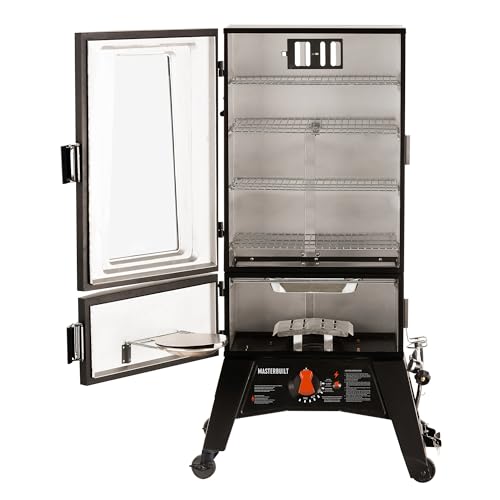
Match racks, covers, drip pans, and accessories to the exact smoker size and rail layout, not just a loose “fits 30-inch” or “fits 40-inch” claim. Check interior rack dimensions, number of shelf positions, clearance between racks, and whether replacement shelves use thicker bars that will not flex under heavy cuts. For brisket, ribs, poultry, sausage, and multi-batch cooking, usable shelf spacing often matters more than the advertised cabinet height. Owner sentiment strongly reinforces this: replacement racks that fit 30-inch cabinets well are often seen as a straightforward upgrade over the original grates, and owners like having extra or replacement shelves when a unit is missing racks or needs more batch space. Heavier-gauge bars and sturdier construction make buyers confident enough to replace all shelves, so rack strength and exact fit are practical buying criteria, not minor accessories.
Build Life
Electric smokers combine heat, moisture, smoke residue, and outdoor exposure, all of which punish weak metal, thin covers, poor seams, and loose hardware. Durability affects both cooking consistency and safety because warped doors, rusted racks, or damaged electrical areas can turn a simple appliance into a maintenance problem.
Prioritize rust-resistant racks, solid shelf rails, a well-aligned door, sturdy hinges and latch hardware, a protected control panel, and a cabinet that does not arrive twisted or dented. On an electric smoker, weak build quality can show up as heat leaks, door misalignment, rack sag, water intrusion around controls, or early corrosion around drip and moisture zones. If storing outdoors, materials and seams matter even more because condensation, rain, smoke residue, and salty seasonings can accelerate rust. Owners praise thicker metal bars and heavier-gauge replacement rack construction as better than expected, which suggests that sturdy internal hardware is worth looking for. At the same time, long-term durability is a repeated watch-out, with rust-prone parts, damaged components, tearing, dents, and mixed heavy-duty impressions appearing in feedback. A careful shopper should separate “feels solid out of the box” from materials and construction that can survive repeated cooks and outdoor storage.
Weather Shield
Many electric smokers are used on patios, decks, or in garages, but their controls, cords, seams, and metal parts do not benefit from constant moisture. Good weather protection preserves the smoker between cooks and reduces the chance of rust, grime buildup, and water-related failures.
If the smoker will live outside, buy around weather protection as part of the system: a snug cover, water-resistant fabric, reinforced seams, UV resistance, and enough length to protect the control area and lower cabinet without trapping puddles. For an electric smoker, a cover should protect from rain, snow, dust, and grime, but the smoker should still be cooled and dry before covering, and plugged only into a properly protected outdoor outlet when in use. Avoid thin, loose covers that flap, pool water, or leave controls exposed. Owner feedback is positive on fit: covers are often praised for snug, easy, glove-like fit on common cabinet sizes, and many owners say they help keep the smoker dry, clean, and shielded from outdoor grime, rain, and snow in everyday use. The caution is that water resistance and thickness are not always equally strong; some feedback says cover material can feel thin and may let water seep through. Fit alone is not enough if the fabric and seams cannot handle the storage conditions.
Easy Operation
A smoker can produce good food yet still be a poor buy if every cook requires fiddling, awkward cleaning, or troubleshooting. Ease of operation matters because long smoking sessions reward predictable controls, simple access, and parts that can be maintained over time.
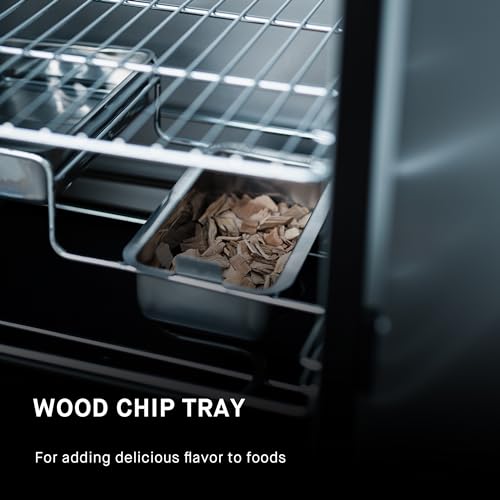
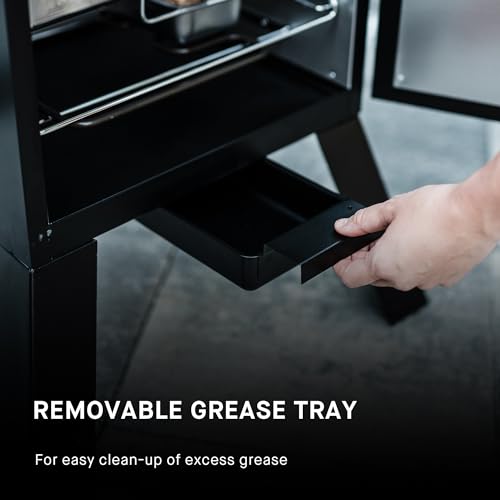
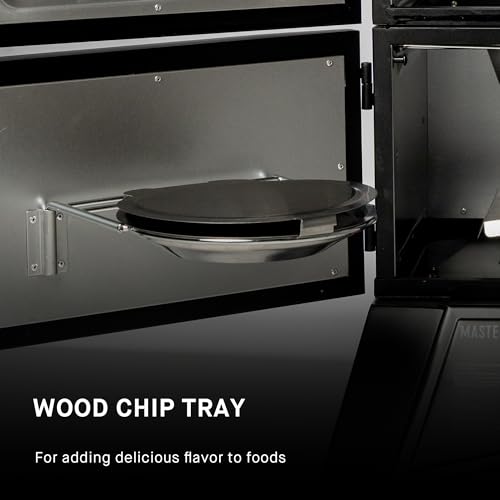
Look for clear assembly, square panels, accessible controls, a removable drip tray, easy water-pan and chip-tray access, and parts that can be cleaned without disassembling the cabinet. A smoker that lets you add chips, manage moisture, and empty grease with minimal door opening will be easier to run and will hold temperature better. Also check whether key wear parts such as racks, pans, seals, and heating-related components are replaceable, because serviceability matters once the smoker has seen many greasy, smoky cooks. Owner experiences with setup and reliability are mixed enough to justify caution: some units line up well, while others take hours or arrive with dents that need straightening. Reliability is acceptable for many owners, but broader feedback includes concerns about lighting or staying-lit behavior in related smoker designs and about controls not always matching cabinet temperature. For an electric smoker, that translates into checking assembly quality, controller behavior, and repeatable startup before relying on it for long cooks.
Upgrade Value
Electric smokers often depend on accessories for their best day-to-day performance, especially racks, covers, pans, and temperature-checking tools. A low-effort ownership experience comes from compatible, durable add-ons that prevent the common failures of poor fit, weak shelving, and weather damage.
Judge value by the complete cooking setup, not just the smoker cabinet: include the racks you need, a properly fitted cover, thermometer verification, drip management, and any replacement parts likely to wear. In this category, a slightly better rack set or cover can change the ownership experience by adding capacity, protecting the cabinet, or replacing flimsy original parts. Avoid saving on accessories that directly affect food support, weather exposure, or temperature confidence. Owner sentiment shows why this matters: sturdier replacement racks are viewed as worthwhile when they deliver strong quality without feeling like a cheap substitute, and good-fitting covers are often seen as good-quality protective buys. Extra shelves also solve real capacity problems when a smoker is missing racks or when multiple batches are planned. The best value is the setup that stays usable and protected through repeated cooks, not the bare minimum box.
1,000,000+ shoppers use Buyer's Guide every week to find the best products and services online.

Helping millions of users make smarter purchases online.


