





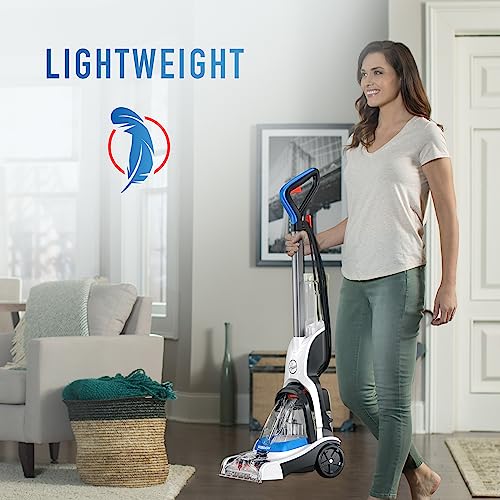


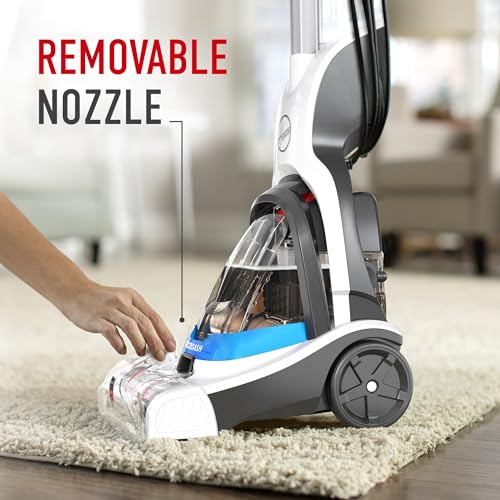


We also considered 10 others:




Our Top Choice
Compare Features


The order above is not editorial opinion, and it is not paid placement. It comes from what shoppers across our network actually do - which hoover carpet washers they compare, and which they ultimately buy. We re-rank as new data comes in, so the long-term favorites have to keep earning their spot against new entrants. The full method, including how we make money.
Hoover Carpet Washers Buyer's Guide
Carpet washers in this niche have to balance deep extraction against convenience: the best choice depends on whether you are cleaning whole rooms of pet traffic or attacking frequent spots on stairs, upholstery, rugs, and car interiors. The sharpest concerns are moisture recovery, because damp carpet can re-soil or smell, and build quality around tanks, hoses, nozzles, and seals, because leaks and clogged dirty-water paths are common failure points.
Cleaning
Cleaning performance is the core reason to choose a carpet cleaner: you want strong spray delivery to loosen dirt, enough brush action and cleaning power to lift stains, and suction that pulls dirty water back out instead of leaving carpets soggy. Look for a machine that cleans evenly across rugs and wall-to-wall carpet, and watch out for weak suction, spotty spray patterns, or “steam” claims that don’t translate into better everyday cleaning results.
Prioritize a washer that matches the mess pattern: a full-size upright with strong suction and brush agitation for whole-room pet traffic and embedded grime, or a portable spot unit with a focused tool for stairs, upholstery, car seats, vomit, urine, coffee, and muddy paw prints. For this category, the key spec is not just “cleans well” but whether it extracts enough dirty water afterward; weak recovery leaves damp carpet, wicking stains, odor, and mildew risk. Owner feedback strongly supports this focus: buyers repeatedly praise these machines for visibly pulling dirt and stains from rugs, upholstery, carpets, pet accidents, older spots, muddy prints, and heavily stained areas, with many noting that good suction or dry-function performance leaves them happier with moisture removal after washing.
Usability
A carpet cleaner that’s hard to fill, push, empty, or rinse can turn a quick cleanup into a messy chore, so usability matters as much as raw cleaning power. Look for intuitive controls, manageable weight, easy-to-remove tanks, clear fill lines, and parts that rinse clean without trapping sludge or foam. Also watch for issues like awkward hose storage, excessive foaming, leaks, or poor vacuumability that leaves carpets too wet after cleaning.
Choose the form factor around where the mess actually happens: portable models are better for stairs, couches, cars, mattresses, recliners, and fast pet cleanup, while upright units are better when you need to cover rooms without constant bending or refilling. Check that the clean and dirty tanks are easy to remove, fill, empty, and rinse, and that brush covers or nozzles come apart for hair, sludge, and pet-waste cleanup; a machine that is hard to clean after use will get avoided. Owner sentiment backs this up, with many buyers describing setup, filling, draining, rinsing, pushing, carrying, and storage as straightforward, especially on lightweight machines used for quick jobs around pets, kids, spills, furniture, stairs, and car interiors.
Value
A carpet cleaner should justify its cost by removing stains, refreshing high-traffic areas, and being easy enough to use that you’ll reach for it regularly. Look for strong cleaning performance, durable parts, practical tank capacity, and included tools that match your needs, while watching out for low upfront costs that come with weak suction, frequent refills, or limited usefulness.
Value in this niche depends on replacement frequency for rentals, professional cleanings, and emergency scrubbing—not just the shelf cost. If you have pets, kids, rental carpets, area rugs, or frequent localized stains, a compact spot cleaner can be the better value than a larger machine; if you need recurring room-level refreshes, a full-size washer earns its keep faster. Owner feedback aligns with that calculation: buyers often feel the purchase is worthwhile when it avoids repeated rentals, service calls, hand scrubbing, or dragging out a full-size unit for small messes, and compact models are especially valued for apartments, rugs, stairs, couches, and regular maintenance.
Build
Build quality matters because a carpet cleaner has to handle heavy water tanks, suction, vibration, and repeated setup without cracking, leaking, or losing performance. Look for sturdy tank latches, tight seals, solid-feeling plastics, and hoses or attachments that connect securely; be wary of machines that owners commonly describe as prone to leakage, flimsy parts, or early failures.
Inspect the parts most likely to fail or frustrate in carpet washers: tank seals, hose connections, nozzle latches, brush covers, trigger/spray mechanisms, and whether the unit leaks when parked after use. Favor designs with secure-click attachments, removable tanks, rinseable tools, accessible brushes, and a stable upright parking position; be cautious with very plastic-feeling parts if the machine will be used often for pet messes or whole-room cleaning. Owner sentiment reinforces both sides: buyers like compact, lightweight builds with removable tanks and cleanable attachments, and some replacement nozzles are praised for fitting securely, but durability and leakage are the main watch-outs, especially breakdown concerns, plastic construction, and water escaping when the unit sits after cleaning.
1,000,000+ shoppers use Buyer's Guide every week to find the best products and services online.

Helping millions of users make smarter purchases online.


