











We also considered 10 others:


Our Top Choice
Compare Features


The order above is not editorial opinion, and it is not paid placement. It comes from what shoppers across our network actually do - which fitbit smartwatches they compare, and which they ultimately buy. We re-rank as new data comes in, so the long-term favorites have to keep earning their spot against new entrants. The full method, including how we make money.
Fitbit Smartwatches Buyer's Guide
Fitness-first smartwatches live on a tradeoff: they should be slim enough for sleep and workouts, but capable enough for notifications, health trends, and daily motivation. The sharpest checks are phone/app compatibility and whether battery life still holds up with always-on display, continuous sensors, GPS, calls, and notifications enabled.
Build
Because a smartwatch is worn all day and exposed to bumps, sweat, water, and frequent charging, build quality directly affects how long it stays comfortable, reliable, and good-looking. Look for solid materials, secure buttons or crowns, dependable seals, and a screen or case that resists scratches; be cautious of flimsy straps, loose fittings, poor water resistance, or reports of units arriving in rough condition or failing with normal use.
Choose a case and band you would actually wear 24/7: low-profile enough for sleep, light enough for runs, secure enough for workouts, and readable outdoors without becoming bulky. For this niche, also check water-resistance claims, band replacement options, clasp security, and whether there is a real button or dependable touch control for sweaty hands; avoid designs that look sleek but snag on sleeves, trap moisture under the band, or make basic stats hard to reach. Owner feedback supports prioritizing slim, comfortable builds: buyers often praise lightweight trackers, slim designs, bright easy-to-read screens, quick-access controls, and everyday durability, while feature-rich lower-cost watches are appreciated most when they still feel well made.
Battery
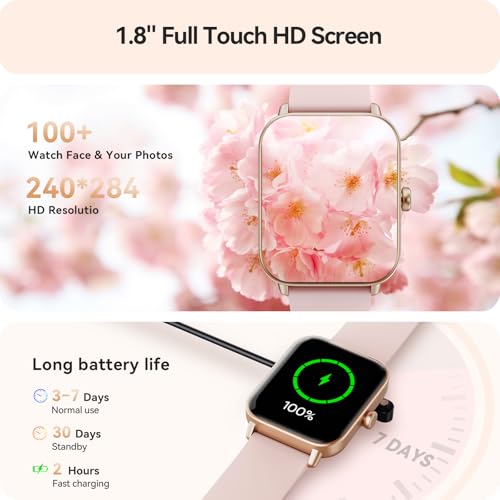
Battery life matters because it determines whether your smartwatch can reliably track workouts, sleep, notifications, and health metrics without constant interruptions. Look for a runtime that fits how you actually use the watch, and pay attention to charging speed and charger convenience so topping up between sleep, work, or exercise is easy. Watch out for heavy GPS, always-on displays, and cellular features, which can drain the battery much faster than basic daily use.
Buy for realistic battery life under your intended settings, not the headline estimate: always-on display, frequent heart-rate checks, blood-oxygen tracking, GPS workouts, call features, and heavy notifications can cut runtime sharply. If you want sleep tracking, pick a model that can last several days so charging does not collide with overnight wear; also check charger type, charging speed, and whether replacement chargers are easy to get. Owner sentiment is encouraging here, with many buyers describing multi-day use, sometimes close to a week or more depending on feature use, plus straightforward charging and reliable enough endurance for everyday tracking.
Tracking
Tracking matters because your watch is only useful if its step counts, workouts, heart-rate monitoring, sleep tracking, and health metrics are consistent enough to guide your habits. Look for reliable accuracy across the activities you actually do, clear tracking information in the companion app, and sensors that perform well during movement, not just at rest. Be cautious of watches that report lots of health data but make it hard to understand trends or show inconsistent results from day to day.
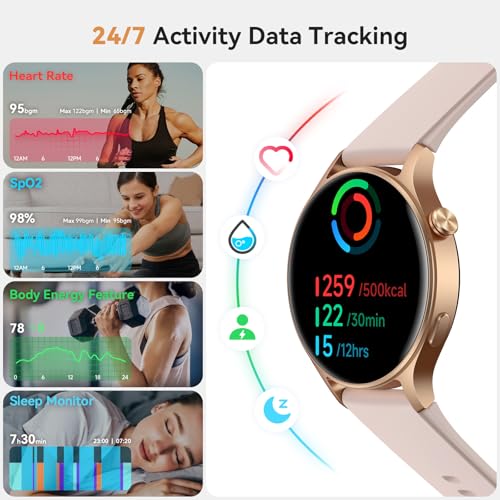
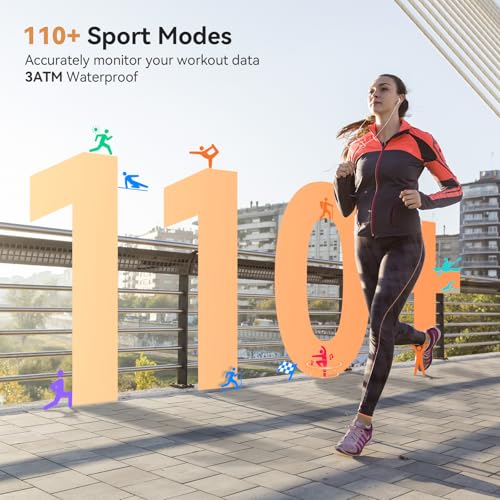
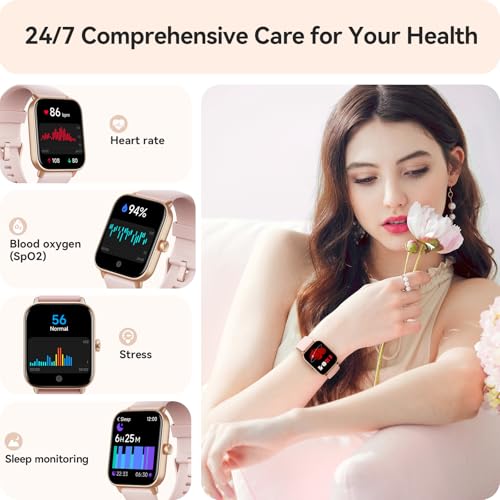
Match the sensors to the decisions you actually plan to make: steps and workout minutes are usually the safest buys, while heart-rate zones, sleep stages, blood-oxygen estimates, stress scores, and calorie burn should be treated as trend tools rather than medical-grade measurements. For outdoor exercise, verify whether GPS is built in or phone-assisted; for swimming, confirm swim mode and water handling; for deeper health features, check which metrics require extra setup, a subscription, or a compatible phone. Owner reports support tracking as the core strength of this category, with shoppers using these watches daily for steps, heart rate, workouts, sleep, oxygen level, stress, calories, distance, swimming, and goal motivation.
Ease
A smartwatch should be easy to set up, simple to navigate, and quick to control without forcing you to dig through confusing menus. Look for clear onboarding, intuitive gestures or buttons, readable notifications, and a companion app that makes settings easy to find. Watch out for watches that bury basic features, require too much phone-app tinkering, or feel frustrating during everyday tasks.
Look for a watch that makes the basics accessible in one or two taps: steps, heart rate, workout start, timers, sleep data, notifications, and battery status. In this niche, ease also means painless app setup, clear permission prompts, readable charts, simple watch-face customization, and controls that work during workouts; avoid models that hide fitness stats behind cluttered smartwatch menus or require constant troubleshooting. Owner feedback backs this up: setup, charging, touch controls, app use, navigation, quick buttons, timers, and daily routines are commonly described as straightforward and approachable.
Value
A smartwatch can feel like a bargain or an overbuy depending on how well its features match what you’ll actually use. Look for strong core functions—reliable notifications, health tracking, battery life, comfort, and app support—at a price that makes sense for your needs, and be cautious about paying extra for niche features you may rarely use.
Judge value by the total ownership package, not just the feature list: required subscriptions, replacement bands, proprietary chargers, warranty support, app quality, sensor credibility, and long-term sync reliability can matter more than having calls, music controls, or dozens of sport modes. Lower-cost feature-heavy watches can be appealing, but for this niche it is worth paying attention to whether the health platform, data history, and phone compatibility are strong enough for daily tracking. Owner sentiment shows why shoppers are drawn to value models—many feel they get solid build quality, calls, notifications, music controls, fitness tracking, and a premium-looking design for less than flagship-style alternatives—but the best value is still the one that keeps tracking reliably over time.
Connectivity
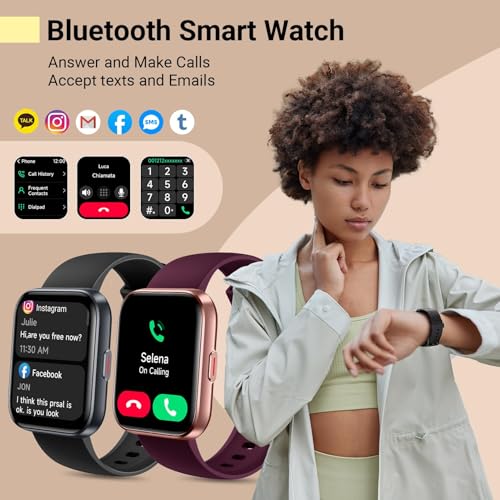
Your smart watch needs reliable connectivity to deliver notifications, calls, app updates, health data syncing, and other features without constant dropouts or delays. Make sure it is compatible with your phone’s operating system and the apps you rely on, and check whether key functions require a nearby phone, Wi-Fi, or cellular service. Poor pairing stability or limited compatibility can make even a feature-rich watch feel frustrating in daily use.
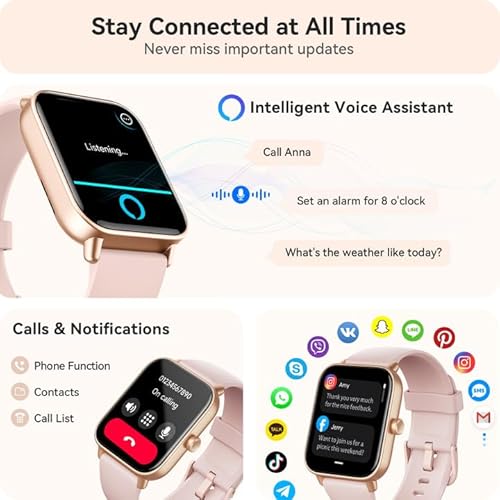
Check phone compatibility before anything else: confirm the supported phone operating system and version, required app, Bluetooth requirements, notification permissions, background-sync settings, and whether call/text replies work with your phone. Also verify whether workouts need the phone nearby for GPS, whether health data syncs to the services you use, and whether missed notifications or broken sync would be a dealbreaker. Owner feedback makes connectivity the clearest watch-out: pairing is often simple and connected features can work well for calls, messages, alerts, and basic voice commands, but some buyers report sync drops, app friction, incompatibility, disconnections, missed notifications, and charging or durability issues that show up over time.
1,000,000+ shoppers use Buyer's Guide every week to find the best products and services online.

Helping millions of users make smarter purchases online.


