







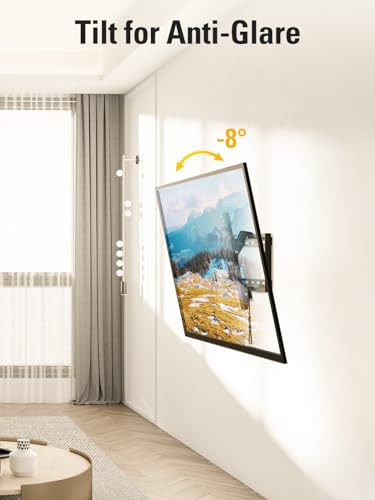


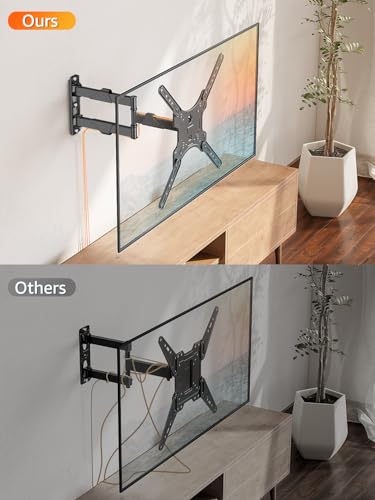


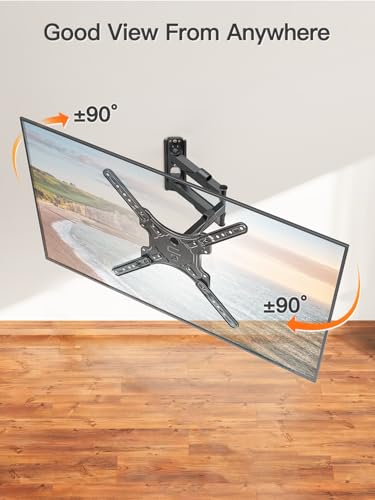


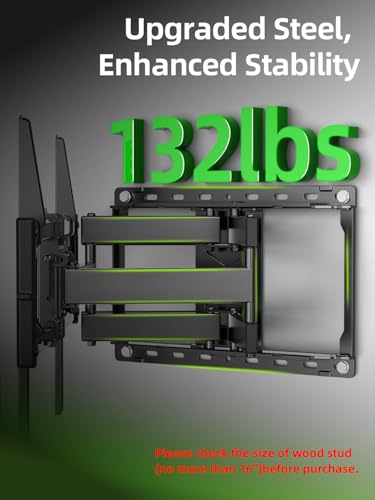






We also considered 10 others:


Our Top Choice
Compare Features


The order above is not editorial opinion, and it is not paid placement. It comes from what shoppers across our network actually do - which 55-inch tv wall mounts they compare, and which they ultimately buy. We re-rank as new data comes in, so the long-term favorites have to keep earning their spot against new entrants. The full method, including how we make money.
55-Inch TV Wall Mounts Buyer's Guide
A 55-inch TV wall mount has to balance a large screen’s leverage against clean placement and daily adjustability. The sharpest checks are whether the mount truly fits your TV and wall structure, and whether its motion stays stable when the screen is pulled away from the wall.
Placement Value
The best value is not always the mount with the most movement; it is the one that safely solves the viewing and placement constraints in the room. Paying for unused articulation or choosing a too-basic bracket can both lead to regret if the TV is hard to view, access, or stabilize.
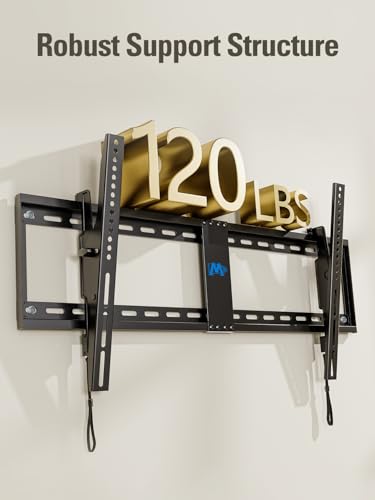
For a 55-inch TV, judge value by load margin, stud coverage, and usable motion—not by the lowest-cost bracket that merely lists “55 inch” compatibility. Look for a mount rated well above your TV’s actual weight, with a wide enough wall plate to hit the studs you have, heavy-gauge arms that do not flex when extended, and hardware suitable for wood studs or masonry; avoid mounts that depend on drywall anchors or leave no room to center the screen after finding studs. Owner feedback supports this priority: buyers repeatedly describe well-built full-motion mounts as sturdy, heavy-duty, durable with larger TVs, and secure with little wobble or sagging when installed correctly, while also viewing strength plus adjustability as the real value.
Motion Control
The right movement range determines whether the TV is comfortable to watch after it is mounted. Too little adjustment can leave glare, neck strain, or poor seating angles, while unnecessary full-motion hardware can add bulk, cost, and leverage on the wall.
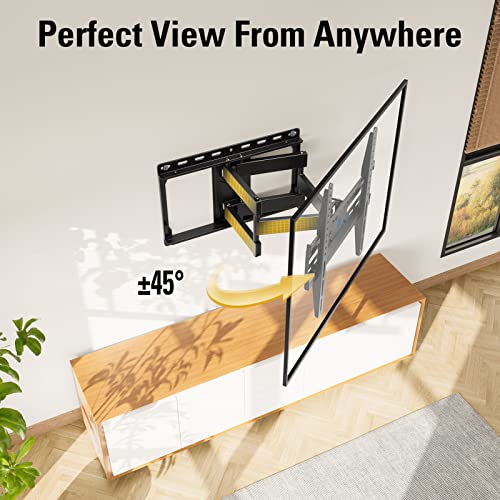
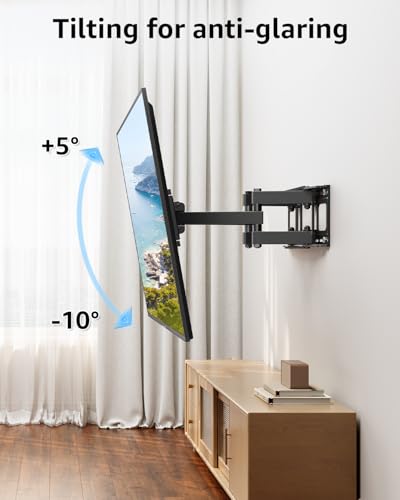
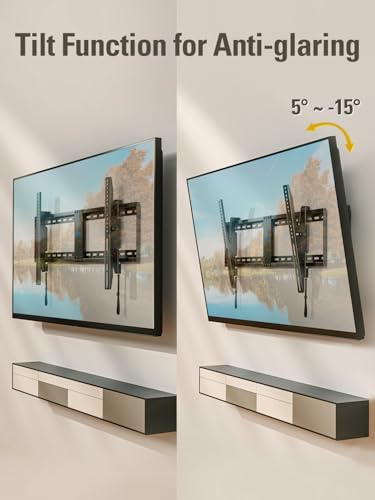
For motion control, check whether the mount can actually swivel a 55-inch screen in your room without the TV’s edges hitting the wall, shelves, or nearby cabinets. A 55-inch TV is wide enough that swivel angle depends heavily on arm extension, joint stiffness, and cable slack; choose tension-adjustable tilt/swivel joints that hold position without drifting, and avoid overly loose arms that feel smooth at first but sag when the screen is pulled out. Owners generally reinforce the importance of this: full-motion designs are praised for smooth extension, swivel, tilt, and pull-out adjustment, with stable performance even on larger screens when mounted properly.
Profile & Access
Mount depth affects both appearance and maintenance. A slim installation can look better, but a little extra standoff or extension can save major hassle when connecting cables, adding devices, or servicing the TV later.
For profile and access, decide before buying whether you need a tight wall-hugging look or frequent access to HDMI, power, antenna, Ethernet, USB, and soundbar connections. Low-profile mounts can make a 55-inch TV look clean but may block rear-facing ports or force sharp HDMI bends; full-motion mounts sit farther off the wall but make it much easier to pull the TV out for cabling, leveling, and service. Owner sentiment fits this tradeoff: users appreciate pull-out, tilt, and repositioning for practical access and viewing-angle changes, though adjustability is not universally perfect, so confirm folded depth, extension distance, and port clearance before committing.
TV/Wall Fit
TV mounts are not universal in the only ways that matter: hole pattern, load rating, wall structure, and clearance all have to line up. A mount that seems strong can still be the wrong choice if it blocks ports, misses studs, or does not match the TV’s mounting pattern.
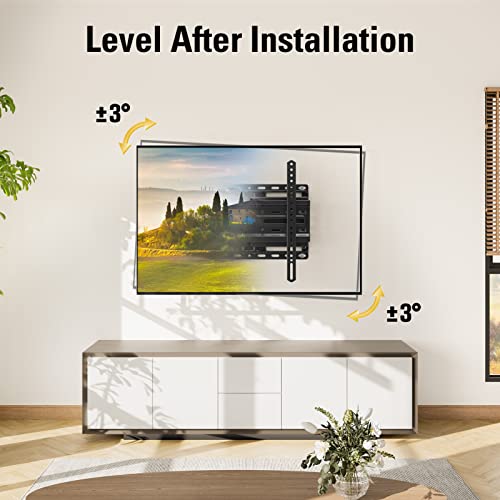
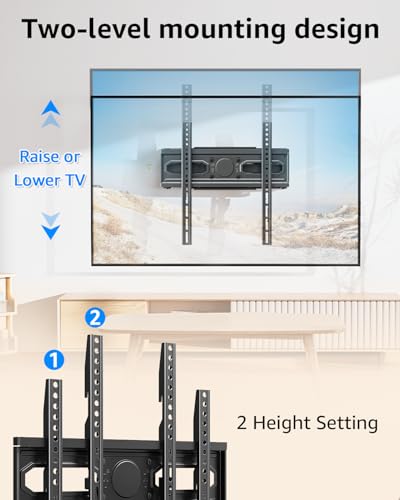
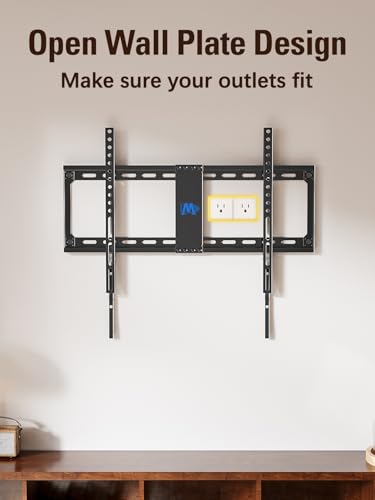
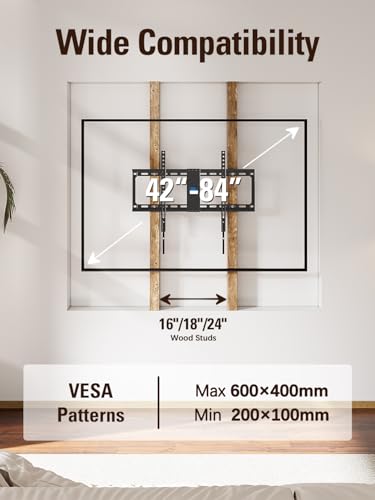
For TV/wall fit, verify four things before purchase: your TV’s VESA pattern, the TV’s weight without and with accessories, your wall construction, and your stud spacing. Many 55-inch TVs use common VESA patterns such as 200x200, 300x300, or 400x400, but you still need the mount’s bracket arms to clear bulging backs, recessed holes, and input panels; on the wall side, the plate must match 16-inch or 24-inch studs, concrete, or brick hardware, and metal studs require a mount and fasteners specifically rated for that use. Owners report secure results with large TVs in the 50- to 65-inch range and praise durable hardware and tight-fitting metal parts, but that confidence depends on matching the mount to both the TV and the wall rather than relying on screen size alone.
1,000,000+ shoppers use Buyer's Guide every week to find the best products and services online.

Helping millions of users make smarter purchases online.


