
















We also considered 10 others:


Our Top Choice
Compare Features


The order above is not editorial opinion, and it is not paid placement. It comes from what shoppers across our network actually do - which 3000 psi electric power washers they compare, and which they ultimately buy. We re-rank as new data comes in, so the long-term favorites have to keep earning their spot against new entrants. The full method, including how we make money.
3000 PSI Electric Power Washers Buyer's Guide
A 3000 PSI electric power washer sits in a tricky middle ground: powerful enough to clean concrete and grime, but still easy to overuse on paint, siding, deck wood, and vehicle trim. The key shopping concerns are whether the pressure is controllable and whether the machine’s hose, fittings, cord reach, and stability can handle real driveway-to-house use without the hassles of a gas unit.
Power
Power matters because it determines how quickly and effectively a pressure washer can lift dirt, mildew, and grime from surfaces like concrete, siding, decks, and vehicles. Look for enough pressure and water force for your toughest jobs, but watch out for models that are too aggressive for delicate surfaces, where excessive water pressure can strip paint, scar wood, or damage finishes.
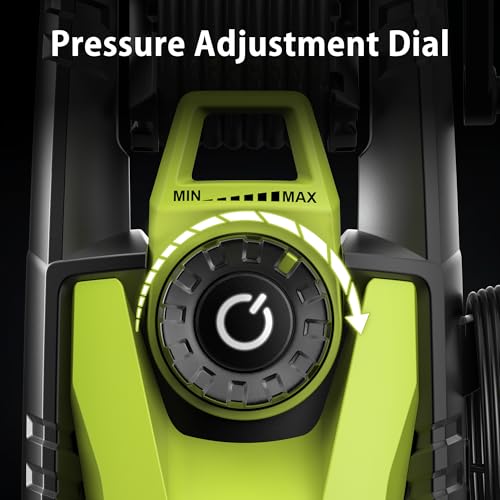
For a 3000 PSI electric washer, do not shop by the headline PSI alone: check whether the unit has adjustable pressure, interchangeable nozzles, and enough real cleaning force for concrete while still being able to dial down for cars, siding, deck boards, and outdoor furniture. A narrow high-pressure tip can scar wood, strip paint, or damage vehicle trim, so the best choice is one that makes it easy to move from heavy-duty surface cleaning to gentler rinsing without guessing. Owner feedback supports this priority: buyers consistently describe compact electric units in this class as stronger than expected, effective on driveways, patios, siding, vehicles, fencing, porches, decks, and built-up grime, especially when paired with multiple nozzles and pressure control.
Build
Build quality matters because a pressure washer has to handle water pressure, vibration, hose strain, and frequent setup without cracking, loosening, or leaking. Look for sturdy fittings, secure hose and wand connections, a stable frame, and components that feel well-aligned rather than flimsy; watch for owner reports of leakage, weak plastic parts, or poor fit that can shorten the tool’s useful life.
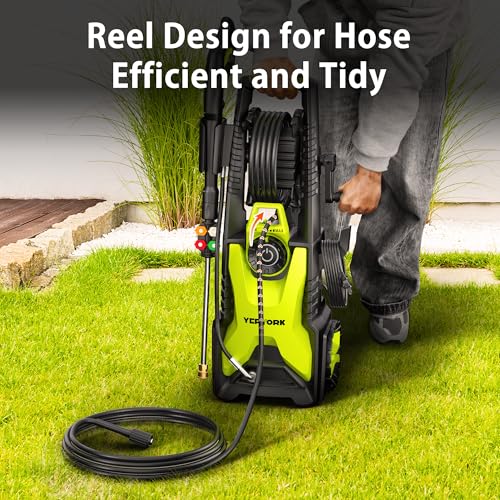
Look for a frame and hose layout built for frequent homeowner jobs, not just showroom specs: stable wheels or casters, low tip-over risk, protected fittings, onboard wand/nozzle storage, and a hose reel or storage system that does not kink the high-pressure hose. At 3000 PSI, weak plastic connectors, poor hose management, or a top-heavy body can become daily annoyances because the machine gets pulled around corners, across driveways, and over hose loops. Owners tend to praise models that feel well built while remaining compact, maneuverable, and practical to store, and they often see the build quality as a good match for concrete, siding, furniture, and vehicle cleaning around the house.
Usability
A pressure washer that’s easy to assemble, move, connect, and control will save you time and make routine cleaning less frustrating. Look for clear setup steps, intuitive controls, secure hose and nozzle connections, manageable weight and wheels, and storage that keeps cords and accessories organized. Watch out for awkward hose reels, hard-to-reach switches, stiff fittings, or confusing nozzle changes, since small usability hassles can matter a lot during longer jobs.
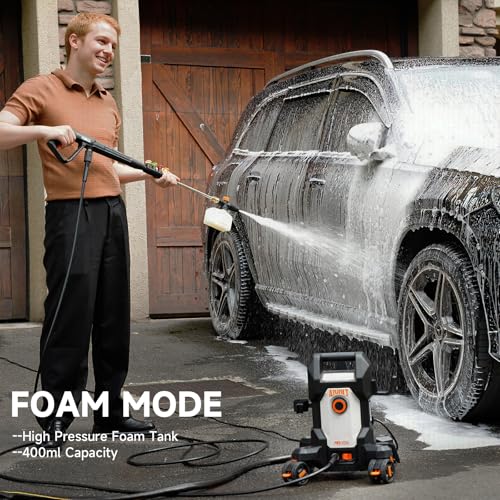
Prioritize a setup that reduces the usual pressure-washer friction: quick-connect nozzles, a simple garden-hose connection, clear assembly, accessible detergent use, and controls you can operate without stopping to reread the manual. For electric 3000 PSI units, also check cord length, hose length, GFCI plug clearance, and whether your outdoor outlet placement will let you clean the full driveway or vehicle without unsafe extension-cord workarounds. Owner sentiment backs this up, with many buyers highlighting quick assembly, simple attachments, lightweight handling, easy cleanup, and a much easier experience than dealing with hard-starting gas units.
Cleaning
Cleaning performance matters because it determines whether you can remove built-up dirt, mildew, and grime quickly without repeated passes or excessive scrubbing. Look for a pressure washer with enough cleaning power for your typical surfaces and messes, but watch out for models that rely on pressure alone without good water flow, since that can make jobs slower and less effective. The best fit should save you time while still being controllable enough to avoid damaging softer materials.
Match the cleaning system to the surfaces you actually need to restore: concrete and pavers benefit from strong pressure and, ideally, compatibility with a surface cleaner, while cars, vinyl siding, painted trim, and older deck wood need lower pressure, wider fan tips, and careful distance control. A 3000 PSI electric washer can be very useful for mold, algae, patio gunk, and driveway grime, but it should not force you to use maximum pressure for every task. Owners most often praise this class for visible cleaning results on concrete, decks, siding, patio areas, furniture, vehicles, mold, and stubborn grime, with some noting that jobs they expected to scrub by hand were handled effectively with water pressure alone.
Portability
Portability matters because you’ll often be moving a pressure washer between the garage, driveway, deck, and outdoor spigots, so weight, wheel quality, handle design, and overall size can affect how easy it is to use. Look for a compact size that stores neatly, stable wheels for uneven surfaces, and cord or hose storage that keeps setup and cleanup manageable; watch out for bulky frames, awkward handles, or heavy units that are difficult to lift or maneuver.
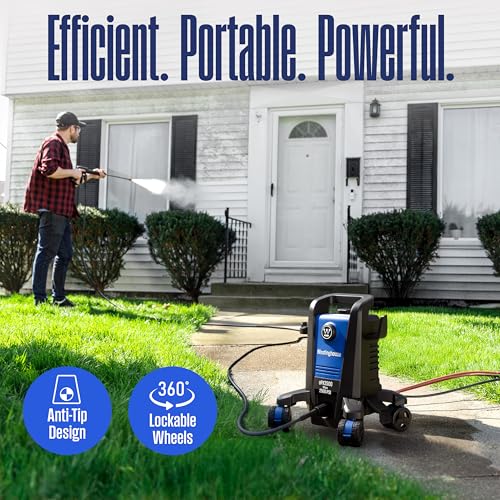
Choose portability based on the full cleaning path, not just the unit’s weight: consider whether it can roll across uneven concrete, stay upright when the hose is tugged, store neatly in a garage, and reach around cars or patio furniture without constant repositioning. Compact electric washers are appealing because they avoid the bulk of gas machines, but too-short hoses, messy storage, or an unstable frame can erase that advantage. Owner feedback strongly favors small-footprint, lightweight designs with onboard storage, longer cord-and-hose setups, retractable or tidy hose management, and anti-tip layouts that make small jobs and storage much easier.
Value
You want a pressure washer that offers enough cleaning power, build quality, and included accessories to justify what you spend. Look for a model that matches your typical jobs without making you pay for capacity or features you won’t use, and watch for bargain units that cut corners on hose quality, fittings, pump durability, or warranty support.
Judge value by whether the washer replaces the specific alternatives you would otherwise use: renting for seasonal concrete cleaning, paying for exterior washing, or keeping a louder, heavier gas unit for occasional homeowner jobs. The best value in this niche comes from enough pressure, adjustable cleaning control, durable fittings, useful included nozzles, and convenient storage—not simply the highest claimed PSI. Owners commonly describe these machines as a strong value when the cleaning performance, compact build, included features, and convenience feel sufficient for typical home maintenance without stepping up to a bulkier gas washer.
1,000,000+ shoppers use Buyer's Guide every week to find the best products and services online.

Helping millions of users make smarter purchases online.


